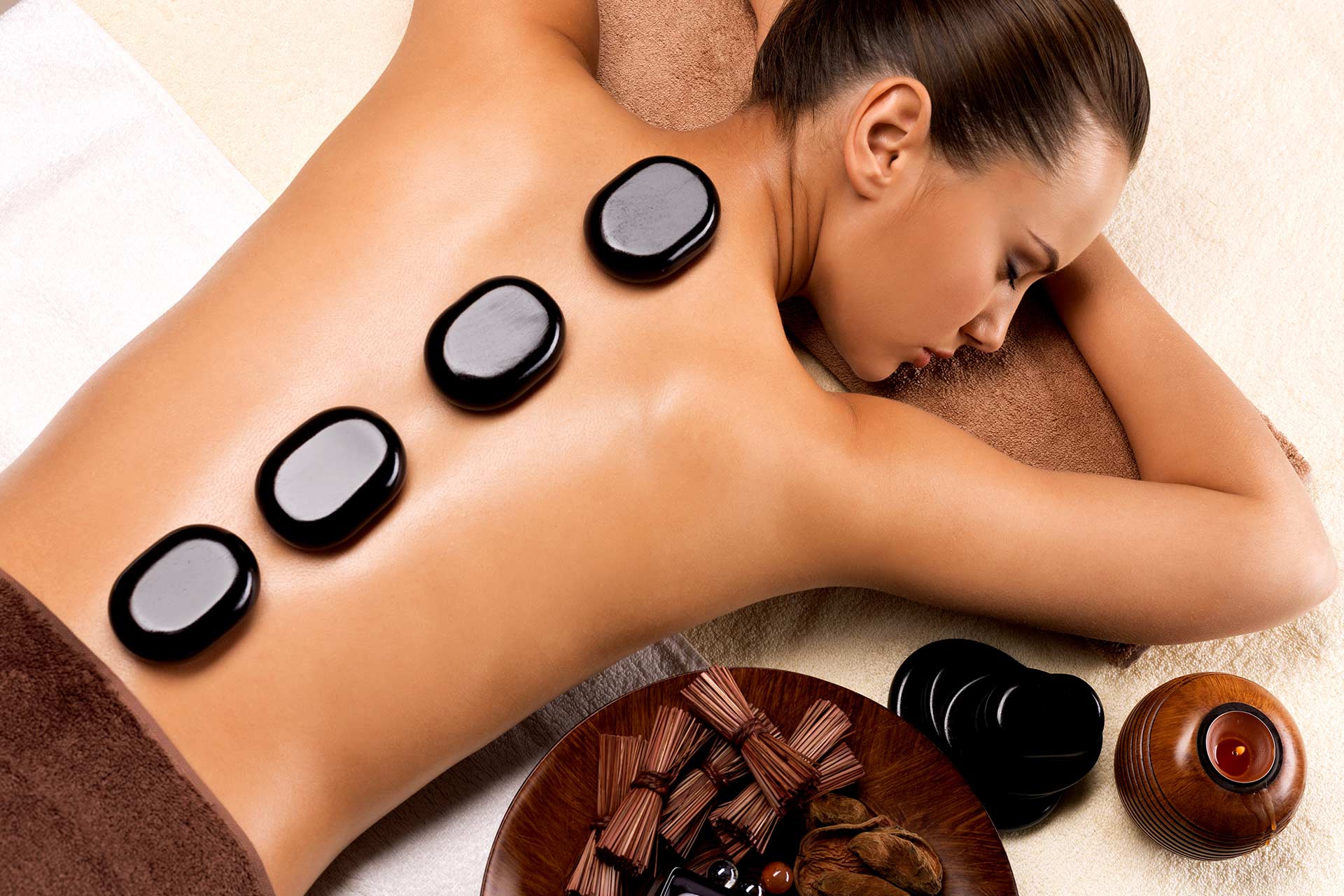
Pregnancy asks a lot from your body, and many mums-to-be feel it by the second trimester. At Shiny Spa, we hear the same story often: tight shoulders, sore hips, and a mind that will not switch off. That is where prenatal massage helps. This gentle treatment uses careful positioning and light to medium pressure to ease tension and support calm.
Because every pregnancy differs, we keep this guide practical. First, we cover what prenatal massage involves and why people book it. Next, we compare session styles, walk through a typical visit, and explain what shapes the cost. Finally, we share tips for finding a therapist you trust. Does that sound useful? Then let us start with the basics, since prenatal massage for lower back pain is one of the main reasons people book.
Why expectant parents choose gentle bodywork
Most people start looking for relief around the middle of pregnancy, once early nausea fades. Prenatal massage targets the areas that carry extra load, such as the lower back, hips, calves, and neck. For example, a growing bump shifts your centre of gravity, so your back muscles work harder every day. Over time, that strain builds into stiffness and ache.
Back pain is common during pregnancy. According to the American College of Obstetricians and Gynecologists (2021), roughly half to two-thirds of pregnant women report it at some point. Research by Tiffany Field and colleagues (2004), published in the Journal of Psychosomatic Obstetrics and Gynaecology, linked regular massage to less back and leg pain and lower anxiety in depressed pregnant women. For that reason, prenatal massage is a popular choice for lower back relief.
Many people book at a spa that offers pregnancy treatments, because the room, the pillows, and the therapist’s training all suit the work. Local providers like Shiny Spa focus on pregnancy care, which means the setup and the screening questions fit your needs. Is a regular spa visit the same? Not quite, since standard tables and techniques often miss the mark for a pregnant body. So prenatal massage works best with a therapist who trains for it.
Session styles and positions compared
Sessions differ, and the right style depends on your trimester and comfort. Most therapists use gentle Swedish-style strokes with extra support. The side-lying prenatal massage position suits most people from the second trimester onward.
Later on, some prefer a semi-reclined setup with bolsters. Seated prenatal massage suits short visits focused on the neck and shoulders. The table below shows how these options compare.
| Style | Best for | Comfort level | Watch for |
| Side-lying Swedish | Back, hips, full-body calm | High | Needs pillows between knees |
| Semi-reclined with bolsters | Third trimester | High | Avoid lying flat on your back |
| Seated chair massage | Neck, shoulders, short visits | Medium | Limited leg and hip work |
| Foot and hand focus | Swollen feet, light relief | Medium | Check with your midwife first |
Because comfort matters most, ask your therapist to adjust pressure at any moment. Gentle strokes on the calves and inner legs are standard, since deep work there can raise clot concerns. In short, prenatal massage should feel soothing and never sharp.
What happens during a pregnancy massage session
A typical visit lasts 45 to 60 minutes, and it starts with a short chat. Your therapist asks about your due date, past health, and any pain spots. Then they check for warning signs such as headaches, sudden swelling, or bleeding, and they ask you to call your doctor if any appear. Prenatal massage only begins once you both feel comfortable.
Next, you settle into position with pillows under your head, belly, and knees. Your therapist drapes a sheet so only the working area shows. After that, they use slow, flowing strokes on the back, hips, shoulders, and arms. Light kneading follows on tight spots, and the calves get very gentle strokes. Throughout, prenatal massage stays within your comfort zone.
A licensed massage therapist who works with pregnant clients often tells us that sleep improves first. Once the hips and lower back loosen, a comfortable position gets easier to find. How often should you go? Many therapists suggest a visit every two to four weeks for prenatal massage, with weekly sessions late in pregnancy if aches build.
Before you go, wear loose clothes and eat a light snack an hour earlier. Bring a water bottle, and tell the front desk if you feel dizzy at any point. Afterward, rise slowly from the table, because blood pressure can dip. Plan a prenatal massage on a day when you can rest.
What shapes the cost of a session
Rather than quoting figures, we explain what drives the final bill, because it differs by spa and by region. Prenatal massage often costs more than a standard hour on the table, since the therapist has extra training and the room needs extra support gear. Most providers publish their rates, so ask before you book.
Session length and therapist training
Longer sessions raise the total, so a 90-minute visit costs more than a 45-minute one. Therapists with a pregnancy-specific certificate often charge more for that extra study. Still, prenatal massage with a trained therapist gives you safer positioning and better results. That fee covers skilled care and time on the table.
Location, add-ons and coverage
City centre spas usually charge more than suburban ones. Add-ons such as aromatherapy or a heated bolster raise the total too. Next, check coverage: some health plans and employers reimburse massage when a doctor recommends it, and in Canada, extended health plans often cover registered massage therapy. Prenatal massage may qualify, so ask your insurer first.
How to choose a qualified therapist near you
Imagine a mum-to-be, 29 weeks along, who sits at a desk all day and wakes with aching hips. She books a general massage and leaves feeling worse, because the table leaves her flat on her back. Then she switches to a pregnancy-trained therapist who uses side-lying support. Within a few visits, her sleep improves, and her story shows why prenatal massage needs the right setup.
Next, check credentials, because rules differ by place. In the United States, most states license massage therapists. In Canada, provinces such as Ontario and British Columbia regulate registered massage therapists. In the United Kingdom, many therapists join the Complementary and Natural Healthcare Council voluntarily. Whatever your country, ask to see a licence and confirm pregnancy training before your first prenatal massage.
Experience matters too. A therapist who treats pregnant clients regularly, as at Shiny Spa, tends to know the right positions, carry the right insurance, and screen for warning signs. A general clinic may treat pregnancy as a rare case. That gap shows up in how confident you feel on the table during prenatal massage.
Then ask a few direct questions. How many pregnancy clients does the therapist see each month? Which positions do they use? Which conditions would make them postpone your prenatal massage? Clear, calm answers signal real experience. Searches like prenatal massage near me, pregnancy massage spa near me, or certified prenatal massage therapist near me will give you a list, so compare those answers before you decide.
FAQs
How much does prenatal massage near me cost?
Costs depend on session length, therapist training, location, and add-ons. Pregnancy-trained therapists often charge slightly more than standard rates because of extra certification and equipment. Check each spa’s website or call ahead, and ask whether longer visits or packages lower the cost per session.
Does insurance cover prenatal massage near me?
Some health plans reimburse massage when a doctor recommends it, and many employer benefit plans include it. Coverage varies by country and provider. Ask your insurer about requirements, such as a referral letter or a registered therapist, and keep your receipts for any claim.
Do therapists need a licence to offer pregnancy massage near me?
In most places, yes. Most US states license massage therapists, Canadian provinces such as Ontario and British Columbia regulate them, and UK therapists often join a voluntary register. Ask to see a current licence and proof of pregnancy-specific training before you book.
How long do the effects of prenatal massage last in hot or cold weather?
Relief usually lasts a few days to a week, depending on your activity and posture. Cold weather can tighten muscles, so effects may fade sooner in winter. Warm showers, gentle stretching, and regular visits every two to four weeks help you keep the benefits.
Is prenatal massage safe in the first trimester?
Many therapists wait until after week 12 because early pregnancy carries a higher natural miscarriage risk and nausea can make lying down hard. No strong evidence links massage to miscarriage, but guidance varies. Check with your doctor or midwife first, and tell your therapist how far along you are.
Conclusion
Prenatal massage can ease aches, calm a busy mind, and help you rest better during pregnancy. Your next step is simple: talk with your doctor or midwife, then pick a trained therapist who listens. If you want to ask questions before booking, reach out to Shiny Spa about session options for your stage of pregnancy. Go at your own pace, speak up about pressure, and let your body guide the session. A little care now can make the coming weeks feel lighter.