Few things drain your day like a stiff, aching back. At Shiny Spa, we meet people every week who sit, lift, or stress their way into daily pain. For many of them, massage for back pain brings steady relief and a calmer body. In this guide, we explain how it works, which styles help most, and how to book with confidence.
Why does it help? When muscles stay tight for hours, they tug on joints and press on nerves. Massage loosens that muscle tension and sends fresh blood to the sore area. So you move more easily, and you often sleep better too.
You are far from alone. According to the World Health Organization (2023), about 619 million people lived with low back pain in 2020. Even so, many never try hands-on care because they do not know what to expect.
Why people turn to massage therapy for sore backs
Most aching backs have a slow build-up behind them. Long hours at a desk, a heavy lifting shift, or a poor night’s sleep can pile up muscle tension along your spine. Soon, those tight bands pull on your posture and make simple tasks hurt. So people start to look for hands-on relief.
Science supports the idea. The American College of Physicians (2017) lists massage among the non-drug options for acute and subacute low back pain. In a trial in the Annals of Internal Medicine, Cherkin and colleagues (2011) followed 401 adults with chronic back pain. After ten weeks, the massage groups moved better than the group that kept usual care.
What do you gain from a session? Many clients tell us they feel looser within a day or two. They bend, reach, and turn with less pain. Better yet, regular massage for back pain lowers stress, and stress often feeds muscle tension.
Studios like Shiny Spa see these patterns every week, from drivers and nurses to remote workers. Because of that, therapists spend the first minutes of each visit asking about your daily routine. Then they match the pressure and style to your needs.
Deep tissue, Swedish and other styles compared
Not every massage suits every back. Some styles use slow, firm pressure, and others use long, gentle strokes. The right pick depends on your pain level, your goals, and your comfort.
Wondering about the best massage for muscle knots? Deep tissue massage works on the deeper layers of muscle and fascia, so it suits knots, old injuries, and stubborn tightness. Swedish massage uses lighter pressure, which fits people who feel nervous or very sore. For instance, someone with a mild, stress-related ache often starts well with Swedish.
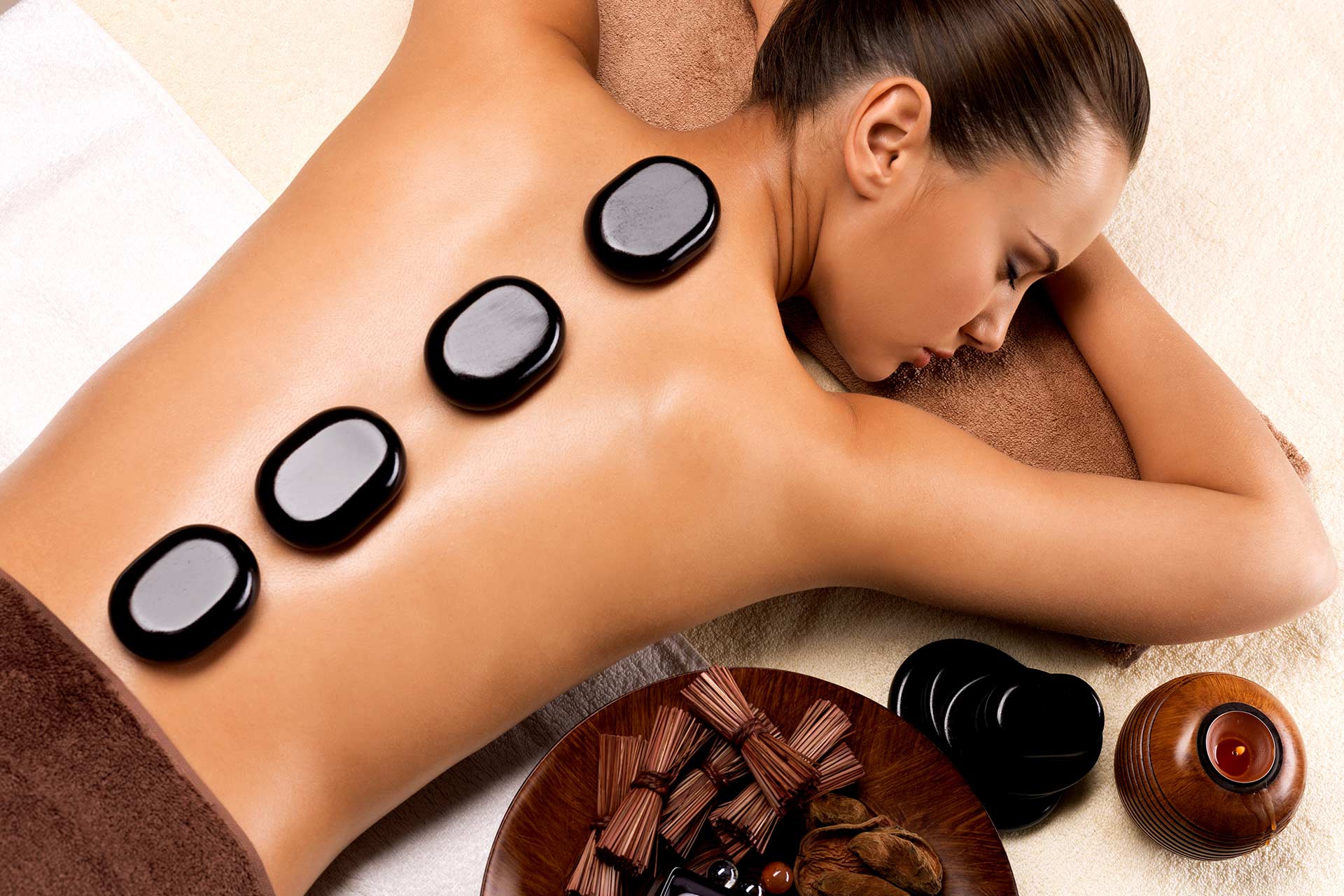
Trigger point therapy presses on single tender spots until they release. Sports massage mixes stretching with firm work for active people. Meanwhile, hot stone massage uses warm stones to soften muscles before the therapist goes deeper.
A licensed massage therapist will often advise new clients to start with lighter pressure. Why? Muscles that feel bruised after a first visit can put people off returning. Choosing the right type of massage for back pain means building up in steps, not pushing hard on day one. That advice fits massage therapy for sciatica pain too, since irritated nerves need gentle work first.
| Style | Pressure | Best for | Typical length |
| Swedish | Light to medium | Stress-linked aches, first visits | 60 minutes |
| Deep tissue | Firm | Knots and chronic tightness | 60 to 90 minutes |
| Trigger point | Focused and firm | Single tender spots | 45 to 60 minutes |
| Sports | Medium to firm | Training strain, active people | 60 minutes |
| Hot stone | Light to medium, with heat | Stiff muscles, cold-weather tightness | 75 to 90 minutes |
Step by step: what a massage therapist does in session one
Wondering what actually happens on the table? Most first visits follow the same flow. Knowing it ahead of time helps you relax from the start, and that alone eases muscle tension.
- Intake chat: the therapist asks about your pain, health history, and daily habits.
- Posture check: they watch how you stand and move to spot tight areas.
- Warm-up: slow strokes loosen the skin and surface muscles.
- Focused work: deeper pressure targets knots along the back, hips, and shoulders.
- Stretch and cool-down: gentle movement helps your body settle.
- Aftercare: you get tips on water, heat, and simple stretches.
Take a warehouse supervisor who lifts boxes all day. After three weekly visits, she might bend to tie her shoes without a wince. Then her therapist can space the visits further apart. That is a realistic path toward massage for lower back pain relief.
Speak up during the session if anything hurts. Pressure from a skilled massage therapist should feel firm but never sharp. Good providers adjust on the spot.
Cost factors that shape your massage plan
Costs vary from one studio to the next, so it helps to know what drives them. Rates reflect the style you pick, the length of the visit, and the setting. Since we do not quote figures here, ask any provider for a written rate list.
What changes the cost of a session
Several details move the final bill for your massage:
- Session length, from short focused visits to extended appointments
- Style and technique, since deep tissue and hot stone often need more time or materials
- Therapist training and experience
- Setting, from a quiet studio to a hotel spa
- Add-ons such as heat packs or aromatherapy
- Location and local demand
In the US, some health plans cover massage therapy when a doctor refers you, and flexible spending accounts may apply. In the UK, some workplace schemes and private insurers offer partial help. Check your policy before you book.
Ways to plan your sessions and keep costs steady
Many therapists suggest weekly visits for the first few weeks, then a longer gap as pain settles. If you wonder how often to get a massage, ask your therapist to map a plan around your pain and schedule.
Packages and memberships often lower the per-visit rate. Even so, book one trial session first to check the fit. A good back massage plan should feel useful before you commit to a bundle.
How to choose a qualified provider near you
Searching for back pain massage near me turns up plenty of choices, so start with credentials. In most US states, therapists must hold a state licence. Ontario regulates registered massage therapists through its college, and in the UK, voluntary registers such as the Complementary and Natural Healthcare Council list vetted practitioners. Ask to see proof before you book.
Focus matters too. A studio that concentrates on massage and bodywork, like Shiny Spa, handles back-pain intakes every week, keeps licences and insurance current, and trains therapists in deep tissue and trigger point methods. A general wellness chain may treat massage as one add-on among many.
Ask these questions before your first visit:
- Which styles do you use for back pain?
- Are you licensed and insured?
- How long is a first session?
- Do you adjust pressure during the visit?
- What is your cancellation policy?
See a doctor first if you have numbness, fever, or pain after a fall. Those signs need a medical check before any massage.
FAQs
Is massage for back pain near me worth trying?
Yes, for most people with muscle-related aches it is worth a try. Studies show better comfort and movement after a few weeks of regular visits. Book a licensed therapist, share your health history, and speak up about pressure. See a doctor first if you notice numbness or fever.
How much does a back massage cost at a local spa?
Cost depends on session length, style, therapist experience, and any extras you add. Deep tissue and hot stone sessions often run longer than basic ones. Ask for a written rate list before you book, and compare what each visit includes, not only the headline rate.
Do I need a permit or licence to see a massage therapist near me?
You do not need a permit as a client, but your therapist should hold the right credentials. Most US states require a licence, Ontario regulates the profession, and the UK uses voluntary registers. Ask to see proof, and choose someone who carries insurance.
How long does massage relief last through a cold local winter?
Relief often lasts from a few days to a couple of weeks, and cold weather can shorten it because chilly muscles tighten. Regular visits, gentle stretching, and warmth at home help results last longer. Your therapist can suggest a schedule that suits your seasons.
Are packages from a local massage therapist cheaper than single visits?
Many studios offer packages or memberships that lower the cost per visit. Read the terms for expiry dates and cancellation rules before you pay. Start with a single session to check the fit, then switch to a bundle if the results suit you.
Conclusion
Back pain does not have to run your week. A steady plan of massage, gentle movement, and good rest can ease tight muscles and lift your mood. Start by picking a style that fits your pain level, then book a short chat with a licensed therapist. If you want a team that listens first, reach out to Shiny Spa to ask about your options. Go at your own pace, and tell your therapist how each session feels.