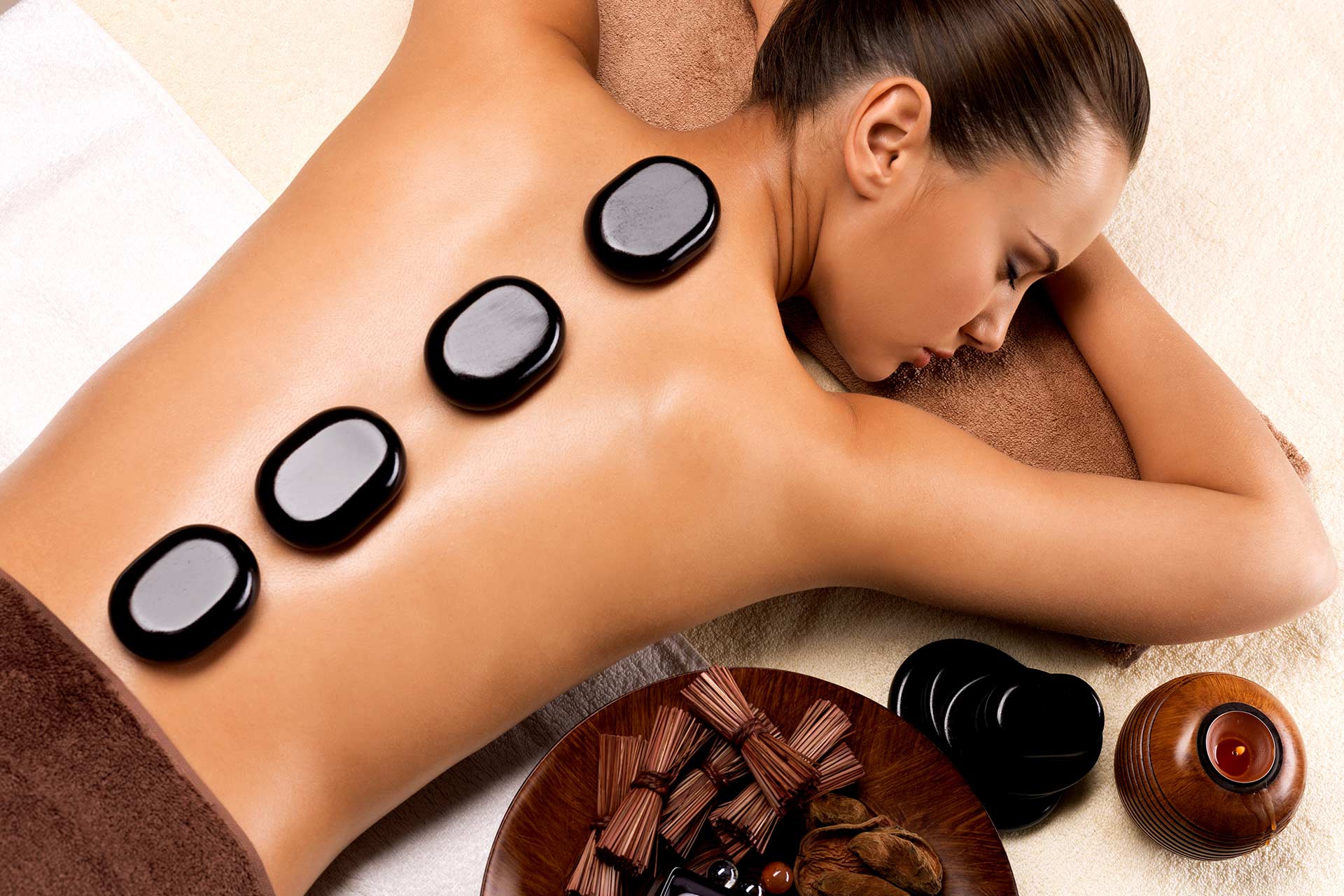
The Dubai Wellness Dilemma: Choosing the Right Recovery Path
Choosing the wrong massage type is not just a minor inconvenience — it can leave you stiffer, more fatigued, or simply no better off than before you walked in.
Dubai’s wellness culture has evolved rapidly. Luxury residential towers, five-star hotel suites, and premium villa communities have all become venues for on-demand bodywork, with certified therapists arriving directly at your door. Shiny Spa exemplifies this shift, delivering professional spa treatments to residences and hotels across the city. The result is unmatched convenience — but it has also introduced a new layer of confusion for clients who are not sure what they actually need.
The core misunderstanding is conflating “relaxation” with “functional recovery.” Many people book a massage based on pressure preference alone — light touch for stress, firm pressure for soreness — without considering the physiological outcome they are actually trying to achieve. Those are meaningfully different goals, and they call for meaningfully different techniques.
That distinction sits at the heart of the thai massage vs deep tissue debate. Both modalities are cornerstones of professional bodywork. Both address muscular tension. But they work through entirely different mechanisms, target different tissue layers, and produce different results in the body. Choosing between them based on physiology — not just how hard you want the therapist to press — is what separates a genuinely productive session from one that simply feels good in the moment.
The first pillar worth understanding in depth is Thai massage, which takes a remarkably active, movement-based approach to the body that tends to surprise first-timers.
Thai Massage: The ‘Lazy Yoga’ Approach to Functional Flexibility
Thai massage stands apart from nearly every other recovery modality because it treats the body as a system of interconnected energy lines rather than isolated muscle groups. Where something like deep tissue massage for muscle recovery targets specific layers of tissue, Thai massage works across the whole body through rhythmic compression, and joint mobilization. Thai massage is performed fully clothed, on a floor mat, with no oils involved. That distinction matters more than it might seem. The absence of oil allows the therapist to grip, lever, and reposition your limbs with precision, applying sustained pressure along the body’s energy pathways (known as sen lines in traditional Thai practice) while moving you through a structured sequence of stretches. The result is something closer to a manual reset of your range of motion than a conventional massage.
The invigoration effect is one of Thai massage’s most consistent outcomes — and it has measurable support. Research published via the NCBI / Journal of Medical Association of Thailand found that Thai massage significantly reduces levels of salivary alpha-amylase, a recognized biochemical marker of stress, compared to simple rest. Kate P, an ITEC-qualified therapist, puts it plainly:
“Thai massage tends to leave you feeling energised and ‘reset’ rather than sleepy.”
That energized quality makes it particularly well-suited to people dealing with chronic back stiffness or reduced joint mobility — both common complaints in Dubai’s desk-heavy professional population. The assisted stretching lengthens the muscles surrounding the spine and hips, while the rhythmic pressure along the legs and back releases tension that accumulates from long hours seated. If you are looking for a relaxation-focused alternative with gentler pressure, Swedish techniques serve a different purpose — but for restoring functional movement, Thai massage consistently earns its reputation. That said, it is not the right tool for every problem, which is where the structural precision of deep tissue work becomes essential.
Deep Tissue Therapy: Precision Engineering for Chronic Muscle Knots
Deep tissue massage takes a fundamentally different approach to recovery — one built on sustained, targeted pressure rather than rhythmic movement. Understanding this difference between thai massage and deep tissue begins at the anatomical level: where Thai massage works through the body’s energy lines and range of motion, deep tissue therapy is engineered to reach the sub-layers of muscle and the surrounding fascia, the connective tissue that wraps and supports every muscle group.
Deep tissue massage works by breaking down adhesions — the dense, fibrous knots that form when muscle fibers fuse together after repeated strain or inflammation. According to Healthline, this modality is specifically designed to reach the sub-layer of muscles, the fascia to break down these adhesions, restoring circulation, and reducing localized pain. Therapists apply slow, deliberate strokes and direct finger pressure along the grain of the muscle, gradually releasing tension that has accumulated over weeks or months. What you feel during a session is often described as productive discomfort — pressure that sits right at the edge of pain but signals real structural change underneath. Hydration matters significantly after a session, as the release of built-up metabolic waste from broken-down tissue requires water to flush effectively through the system.
Deep tissue therapy tends to work best for:
- Post-gym recovery: Releasing micro-tear tension and reducing delayed onset muscle soreness after heavy training sessions
- Chronic stiffness: Addressing long-standing tightness in the neck, shoulders, and lower back that lighter modalities cannot reach
- Postural correction: Releasing the fascial restrictions that pull the body out of alignment over time, particularly common in desk-based professionals
For anyone booking a professional therapy session at home in Dubai, deep tissue is the go-to choice when the goal is structural repair rather than general relaxation. That distinction — structural versus systemic — is precisely what sets up the broader comparison ahead.
Direct Comparison: Which Modality Fits Your Dubai Lifestyle?
Choosing between Thai massage and deep tissue comes down to one practical question: what does your body need to do next?
The technique difference shapes everything. Thai massage is active — a therapist guides you through assisted stretches, mobilizing joints and lengthening fascia while you remain fully clothed and present in the movement. Deep tissue is passive — you surrender to sustained, targeted pressure as a therapist works methodically through adhesions and chronic tension layers. Research published in the Journal of Bodywork and Movement Therapies found that Thai massage improved physical fitness test scores in soccer players after just three sessions across 10 days, underscoring how its movement-based approach delivers measurable functional gains.
Recovery time is where the two modalities diverge most sharply. Thai massage tends to leave you feeling immediately invigorated — loose, aligned, and energized. Deep tissue, on the other hand, often produces 24 hours of residual muscle soreness as tissue repairs and inflammation settles. That distinction matters enormously when you are managing a packed Dubai itinerary.
| Goal | Thai Massage | Deep Tissue |
|---|---|---|
| Pre-event or morning session | ✓ Ideal | ✗ Not recommended |
| Post-intense training recovery | ✗ Less targeted | ✓ Ideal |
| Chronic knot or tension relief | Partial benefit | ✓ Primary strength |
| Flexibility and mobility | ✓ Primary strength | Partial benefit |
| Evening wind-down | Moderate fit | ✓ Ideal |
A skilled therapist adapts both modalities to your environment. For a hotel room massage dubai setting, a qualified therapist will assess ceiling height for standing Thai work, floor space for mat-based stretching sequences, or bed firmness for deep tissue pressure. If floor space is limited, techniques shift accordingly — and that kind of real-time customization separates a trained professional from a one-size-fits-all service. You might also explore other relaxation-focused options if recovery intensity feels like too much after a demanding day.
What You Need to Know: The Bottom Line on Recovery
The right massage modality is not a luxury preference — it is a recovery decision with real physiological consequences. Everything covered in this article points toward one practical takeaway: matching your treatment to your body’s actual condition determines how well you perform, rest, and feel in the days that follow.
Thai Massage tends to work better when your goal is systemic. If you need to decompress after a demanding week, restore range of motion before a training session, or reset your nervous system without the intensity of deep pressure, Thai massage delivers on all three fronts. It is energizing, holistic, and particularly effective for stress-driven tension.
Deep Tissue, on the other hand, is the gold standard when specific, chronic muscle problems need direct intervention. Stubborn knots, restricted fascia, and post-workout soreness that lingers for days respond far better to slow, targeted pressure than to passive stretching. Recovery through deep tissue work is measurable — you feel the release.
One advantage that applies to both modalities in Dubai is the mobile service model. Professional mobile spa services eliminate travel stress entirely, maintaining high-end salon standards in private settings. Post-treatment rest is immediate, which research consistently identifies as critical to tissue recovery outcomes.
And whichever treatment you select, provider quality is non-negotiable. Always choose a certified therapist who operates with documented hygiene protocols and professional-grade equipment — the kind of assurance a vetted provider like Shiny Spa builds into every booking. That combination of expert technique and home-environment recovery is exactly what the next section explores in detail.
Experience Luxury: Booking Your Mobile Massage in Dubai
The right recovery treatment means nothing if accessing it adds stress to your day — and that is precisely the gap Shiny Spa was built to close.
Shiny Spa is a premier mobile wellness provider that delivers the full luxury of a Dubai mall spa directly to your villa, hotel room, or home. There is no commute, no waiting area, and no disruption to your schedule. Whether you have decided that Thai massage is the right tool for mobility and energy restoration, or that deep tissue work is what your overworked muscles genuinely need, the experience arrives fully equipped to your door.
Booking is designed to be frictionless. The Shiny Spa platform lets you select your preferred modality, choose a time that fits your routine, and confirm a certified therapist in a few straightforward steps. In a city where time is a premium commodity, that simplicity is part of the value.
Every therapist is certified, and every session uses premium-grade equipment — the same standard you would expect from an upscale spa environment. On the other hand, you gain something no fixed-location spa can offer: complete privacy and the ability to transition directly from treatment to rest.
Your living space has the potential to become a genuine wellness sanctuary. And with Shiny Spa’s deep tissue massage in Dubai or Thai massage service, that transformation requires nothing more than a booking.