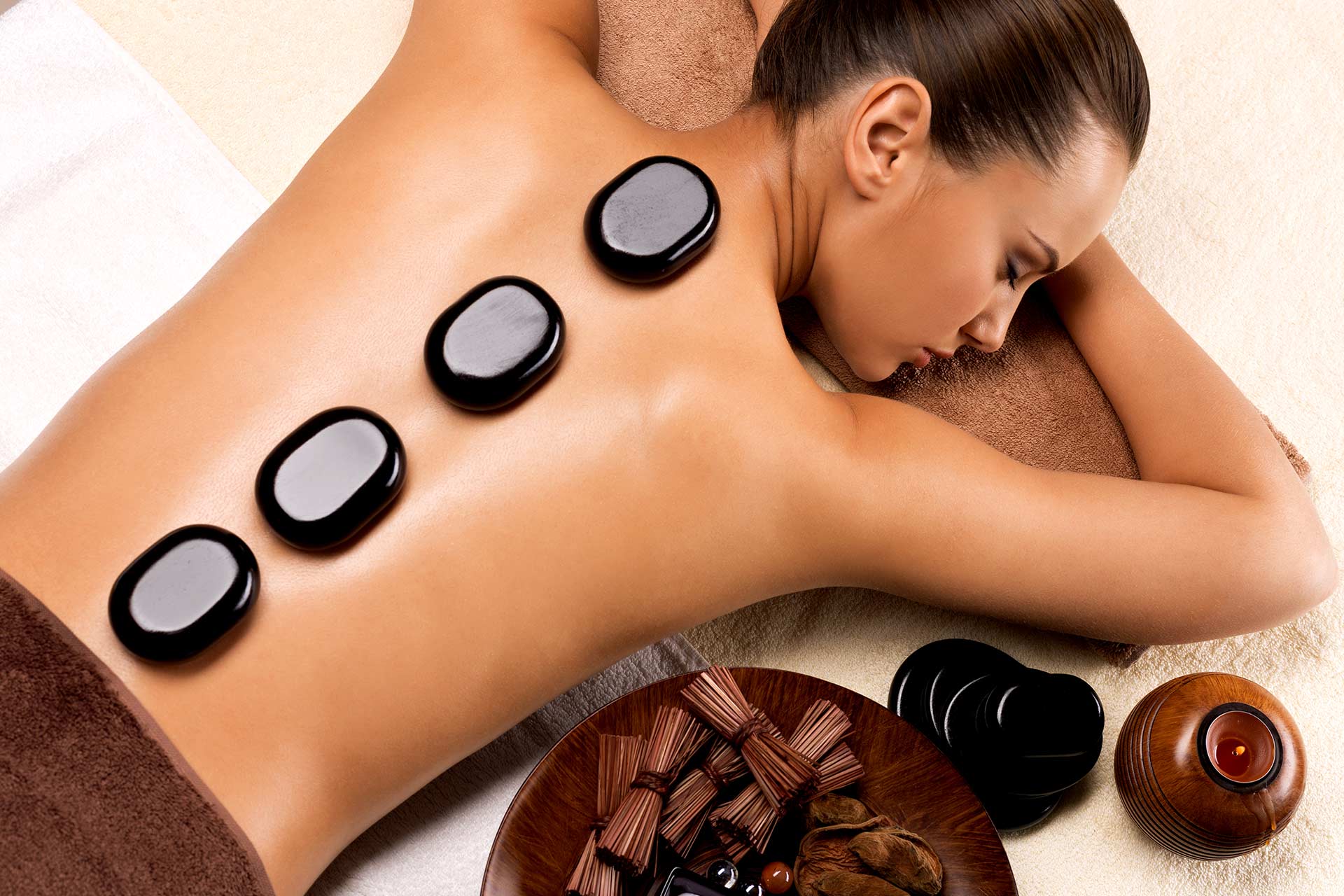
Does your skin look dull after a long week? Stress, screens, and weather all leave their mark, and a daily cleanser often cannot keep up. A professional facial treatment gives your skin a deeper reset than any home routine can offer. At Shiny Spa, we see clients leave looking fresher after a single visit.
In this guide, we walk you through the skin benefits, the main types of facials, and what happens in the treatment room. We cover the factors that shape cost and share tips for picking a provider you can rely on. Because every skin type behaves differently, we keep the advice practical and easy to apply. By the end, you will know which facial suits your skin and what to ask before you book.
Why a professional skin reset beats a home routine
Most of us wash our faces every day, yet pores still clog and dead cells still pile up. A trained esthetician can reach what a basic cleanser misses. Steam softens the surface, extraction clears congestion, and masks feed the skin what it lacks. So the glowing skin you want shows up faster and lasts longer.
Have you noticed your skin feeling tight or flat by mid-afternoon? A facial treatment targets that problem at its source, whether it is dryness, oil, or uneven tone. Because the esthetician reads your skin first, each step fits what you need that day. For example, a client with winter dryness gets hydration, and a client with breakouts gets gentle cleansing.
Sun damage matters here too. The Skin Cancer Foundation (2023) reports that one in five Americans will develop skin cancer by age 70, and trained professionals often spot suspicious marks during a facial. A trial in the Annals of Internal Medicine (2013) found that adults who wore sunscreen daily showed 24% less skin ageing over four and a half years. So regular facials and daily SPF work well together.
A licensed esthetician in the United Kingdom told us that most clients over-exfoliate at home. They scrub hard, then wonder why their skin stings. Professional facial care replaces that guesswork with a safe, steady plan for healthier skin.
Consider an office worker whose skin turns dry and flaky every winter. She books a hydrating facial, swaps hot showers for lukewarm ones, and adds a ceramide moisturiser. Within two visits, her skin feels softer and holds makeup better, which is the kind of glowing skin most people want.
Types of facials and who they suit
Spas offer many styles, and the right one depends on your skin type and your goal. Hydrating sessions suit dry or tired skin, because they layer moisture with soothing masks. Deep cleansing sessions help oily or congested skin by clearing pores with steam and gentle extraction. Anti-ageing sessions use ingredients such as peptides and mild acids to soften fine lines.
Brightening sessions target dullness and uneven tone, often with vitamin C or enzyme masks. Calming sessions suit sensitive skin that reacts to heat, wind, or new products. Which one fits you? A short consultation before your facial treatment answers that question in a few minutes.
Each option has trade-offs. Stronger exfoliation gives faster results but needs more downtime. Gentler options feel soothing and carry little risk, though results build more slowly. Climate matters too. Dry, cold regions like Canada reward richer hydration, but humid areas like Queensland call for lighter textures.
| Facial Type | Best For | Skin Type | Downtime | Suggested Frequency |
| Hydrating | Dryness, dullness | Dry, mature | None | Every 4 weeks |
| Deep cleansing | Clogged pores, shine | Oily, combination | Mild redness | Every 4 to 6 weeks |
| Anti-ageing | Fine lines, firmness | Mature | Light flaking | Every 4 to 6 weeks |
| Brightening | Uneven tone, dark spots | Normal, combination | Light peeling possible | Every 4 to 6 weeks |
| Calming | Redness, sensitivity | Sensitive | None | Every 4 to 8 weeks |
What happens during your session, step by step
Walking into a treatment room for the first time can feel unfamiliar. Knowing the order of events helps you relax. Most professional facials run about an hour and follow six steps.
- Consultation: The esthetician asks about your skin history, allergies, and goals.
- Cleansing: A gentle cleanser removes makeup, oil, and surface dirt.
- Exfoliation: An enzyme or mild acid product lifts dead cells.
- Steam and extraction: Warm steam softens pores, then the esthetician clears blackheads by hand.
- Massage and mask: Facial massage boosts circulation, and a mask targets your main concern.
- Protection: Serum, moisturiser, and SPF finish the session.
Providers such as Shiny Spa follow this same order, which keeps results steady from visit to visit. Next, you receive home-care advice so the glow carries beyond the treatment room. Ask for it before you leave. It makes your next facial work harder for you.
What shapes the cost of a visit
Spa menus differ a lot, and the reasons are easy to follow. Nobody likes a surprise at the front desk. So we break down what drives the final bill for any facial.
Factors that change the final bill
Session length comes first, since a 45-minute express visit uses fewer products than a 90-minute deep session. Next, the products matter, because medical-grade serums and peels cost the spa more than basic masks. The esthetician’s training and the spa’s location matter, and so do add-ons such as LED light therapy or microcurrent work.
Ways to get fair value from each visit
Start with a clear goal, because a focused plan wastes less time and product. Ask whether a course of sessions suits you better than a single visit. Many spas build packages around skin goals, and those often suit people who want steady progress. Finally, keep up a simple home routine so your results last between visits, since skin care at home matters as much as the facial itself.
How to choose the right provider near you
Start with licensing. In the United States, estheticians must hold a state licence, and the rules differ by state. In the UK, local councils may require premises to register for certain skin treatments. Canada and Australia set their own rules, usually through provincial or state bodies, so always ask to see a licence before booking a professional facial.
Next, look at specialisation. A spa that focuses on skin care, like Shiny Spa, treats skin concerns daily, learns which products hold up in local weather, and carries insurance written for skin treatments. A general salon or a large national chain may spread its training and stock across many services. That difference shows up in the quality of advice you receive.
Then check hygiene. Fresh towels, sanitised tools, and a clean treatment room should be standard. Does the esthetician ask about allergies and medication before starting? A good provider does, and they patch test new products on sensitive skin. Reviews and before-and-after photos give extra proof of their facial results.
Frequently Asked Questions
How much does a professional facial treatment cost near me?
Costs depend on session length, products, the esthetician’s training, and any add-ons. Spa menus list each option clearly, so check them online first. Calling ahead to ask what each level includes helps you compare spas fairly and avoid surprises.
What affects the price of a facial in Canada or Australia?
Local rent, wages, and the products a spa imports all play a role. Medical-grade ingredients and longer sessions raise the total, and so do extras like LED therapy. Ask for a written breakdown before you book so you know exactly what you are paying for.
Do estheticians need a licence in the United States or the United Kingdom?
In the US, nearly every state requires estheticians to hold a licence from its board of cosmetology. In the UK, rules vary by council, and many require registered premises for some treatments. Always ask to see credentials and insurance before your first appointment.
How long do facial results last in dry or humid weather?
Most people see a fresh glow for about one to two weeks. Dry, cold air strips moisture quickly, so richer creams help results last. Humid weather keeps skin supple but can clog pores, so lighter textures and regular cleansing work better.
How often should I book a facial?
Most skin types do well with a visit every four to six weeks, which matches the skin’s natural renewal cycle. Sensitive skin may need longer gaps. Your esthetician can adjust the schedule after seeing how your skin responds to the first two sessions.
Conclusion
A regular facial gives your skin a deeper clean, better hydration, and a brighter look than most home routines can match. Your next logical step is simple: pick the type that fits your skin and book a consultation. Reach out to Shiny Spa to ask about options for your skin type and concerns. Bring your current products to the visit so the esthetician can review them. Start small, stay consistent, and your skin will reward you.