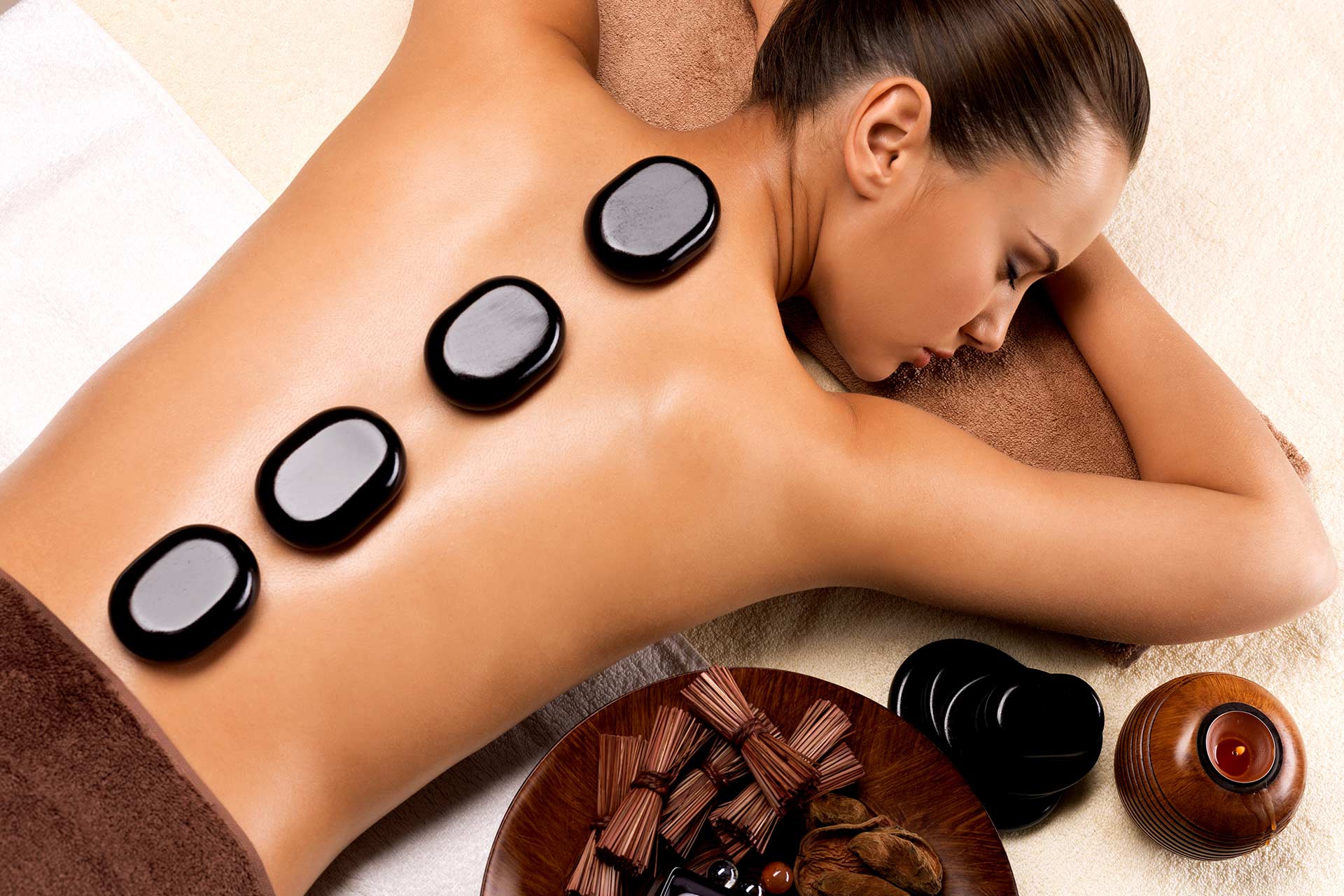
Shiny Spa hears the same question from residents and visitors alike: with so many spas across the city, how do you know which one actually delivers a proper massage therapy session instead of a rushed rubdown? Between the heat, long commutes, and desk-heavy jobs across Dubai’s business districts, muscle tension builds up fast, and the right treatment makes a real difference. This guide breaks down the main massage styles available, what a typical session costs, and what to check before you book.
Office workers in DIFC and Business Bay often book a session after a long week at a desk. Tourists staying near Jumeirah Beach Residence or Downtown Dubai look for a relaxing treatment between sightseeing days. Athletes and gym regulars across the city search out deep tissue work to recover faster between training sessions.
Why residents and visitors choose massage therapy in Dubai
Massage therapy covers a wide range of hands-on techniques, from gentle relaxation strokes to firm, targeted pressure aimed at chronic muscle tightness. Isn’t sitting through hours of traffic on Sheikh Zayed Road reason enough to book a session? For many residents, it’s exactly that combination of commute stress and desk posture that pushes them toward regular treatments.
The climate plays a role too. Dubai’s heat and humidity for much of the year leave people dehydrated and tense, and a good massage therapist knows how to adjust pressure and pacing to account for that. Massage therapy in Dubai isn’t treated as an occasional luxury the way it might be elsewhere; for many residents it’s part of a regular wellness routine, alongside gym sessions and clean eating.
Visitors add another layer of demand. Dubai’s tourism numbers stay high year-round, and hotel spas across Jumeirah, Downtown, and the Marina report steady bookings from guests looking to unwind between excursions. A DHA-licensed massage therapist we spoke with noted that first-time visitors often ask for lighter Swedish sessions, while returning clients tend to request firmer, more targeted work once they know their own tolerance for pressure.
Types of massage therapy compared
Dubai’s spa scene draws on techniques from across the world, and picking the right one depends on what you’re trying to fix, whether that’s general stress, sore muscles, or jet lag.
| Massage Type | Typical Price (60 min) | Pressure Level | Best For |
| Swedish massage | AED 150–400 | Light to medium | First-time clients, general relaxation |
| Deep tissue massage | AED 250–600 | Firm | Chronic tension, athletes, desk-related pain |
| Thai massage | AED 200–500 | Medium to firm | Flexibility, stretching, jet lag recovery |
| Hot stone massage | AED 300–650 | Medium | Deep muscle relaxation, cold-sensitive clients |
| Moroccan hammam | AED 250–550 | Light | Skin exfoliation combined with relaxation |
Prices shift by neighborhood, spa tier, and session length, so treat this table as a starting point when comparing options.
What actually happens during a massage therapy session
Booking a session in Dubai usually starts with a short health questionnaire, since licensed spas need to know about any injuries, pregnancy, or medical conditions before a therapist begins.
Once you’re settled in the treatment room, the therapist walks you through pressure preferences and any areas you’d like them to focus on or avoid. A standard 60-minute session covers the back, shoulders, legs, and arms, with extra time on tighter spots if you flag them early. Rooms typically stay dim and quiet, with warm towels or heated tables used for deep tissue and hot stone sessions to help muscles release faster under firmer pressure.
Licensed spas in Dubai operate under strict gender separation rules, so male clients are matched with male therapists and female clients with female therapists, with mixed-gender sessions reserved only for couples’ rooms designed for that purpose. This isn’t optional guidance; it’s part of what Dubai Municipality and the Dubai Health Authority check during facility inspections.
Every therapist working at a licensed spa needs to be registered through the DHA’s Sheryan portal, and that registration only activates once a licensed facility hires them. Ask a spa if their therapists hold current DHA registration before booking, especially if you’re choosing a smaller or newly opened venue.
Cost factors for massage therapy in Dubai
Three things drive the price of a session more than anything else: the venue tier, the massage type, and the time of day you book.
Five-star hotel spas in areas like Downtown Dubai and Jumeirah routinely charge AED 500 to over AED 1,200 for a 60-minute session, since the price covers the facility, robes, private lounges, and often access to a steam room or pool. Community clinics and mall-based massage shops charge closer to AED 150 to AED 300 for the same duration, with licensed staff but fewer extras around the treatment itself. Home massage services, where a certified therapist travels to your apartment or hotel, typically start around AED 150 and often undercut spa pricing since there’s no facility overhead.
Timing matters too. Many spas offer early bird pricing for morning bookings, sometimes cutting the standard rate by a third, and weekday sessions tend to run cheaper than weekend slots when demand peaks.
Consider a Business Bay professional booking a weekly deep tissue session to manage shoulder tension from long hours at a desk. Choosing a mid-range day spa over a five-star hotel spa, and booking during early bird hours, can cut the monthly cost by close to 40 percent compared to booking full-price hotel sessions on weekends.
Choosing the right massage therapy provider
Not every spa in Dubai treats licensing and hygiene the same way, and the gap between a properly run venue and a corner-cutting one shows up fast once you’re on the table. A spa that focuses specifically on therapeutic massage, Shiny Spa among them, tends to keep every therapist’s DHA registration current and follows Dubai Municipality’s hygiene protocols for linens, tools, and treatment rooms between every client. That kind of consistency holds up better over time than a bargain parlor advertising sessions under AED 100, where licensing and training standards are often the first thing cut to hit that price.
Ask any spa you’re considering whether their therapists hold active DHA registration and whether the facility itself is DHA and Dubai Municipality approved, not just holding a general trade license. A venue that answers clearly, without hesitation, is usually one that takes compliance seriously rather than treating it as paperwork to skip.
If you’re weighing which type of massage therapy fits your schedule and budget, reach out to Shiny Spa for a session recommendation based on what you’re dealing with, whether that’s desk-related tension, travel fatigue, or general stress. There’s no pressure to book anything before you’ve had your questions answered.
Frequently Asked Questions
How much does a one-hour massage cost in Dubai?
Most one-hour sessions in Dubai run between AED 150 and AED 600, depending on the venue and massage type. Five-star hotel spas often charge AED 500 to over AED 1,200 for the same duration.
Is massage therapy in Dubai regulated?
Yes. The Dubai Health Authority licenses individual massage therapists through its Sheryan registration system, and Dubai Municipality inspects spa facilities for hygiene, equipment safety, and operational standards before approval.
What’s the difference between a Swedish massage and a deep tissue massage?
Swedish massage uses lighter, flowing strokes suited to general relaxation, while deep tissue massage applies firm, targeted pressure aimed at chronic muscle tightness and knots built up from posture or physical strain.
Are home massage services legal in Dubai?
Home massage is available through licensed providers whose therapists carry valid DHA registration. Confirm licensing before booking, since unregistered individuals offering home visits fall outside the regulated system.
How much does a 30-minute massage cost in Dubai Marina?
A 30-minute session in Dubai Marina typically costs between AED 100 and AED 250, depending on whether you choose a community clinic, day spa, or hotel spa in the area.
Do Dubai spas separate male and female therapists by client gender?
Yes. Licensed spas assign male therapists to male clients and female therapists to female clients, with mixed-gender sessions limited to designated couples’ treatment rooms built for that purpose.
How often should I get a massage in Dubai’s climate?
Many residents book sessions every two to four weeks to manage the muscle tension that builds from heat, dehydration, and long hours in air-conditioned offices, though weekly sessions suit people with chronic pain or active training schedules.
What should I check before booking a massage in Downtown Dubai?
Look for a facility with visible DHA and Dubai Municipality approval, therapists with current registration, and clear pricing before you arrive, since some venues only disclose full rates once you’re already in the building.
Can pregnant women get a massage in Dubai?
Many licensed spas offer prenatal massage with therapists trained in pregnancy-safe positioning and pressure. Always disclose pregnancy on the intake form so the therapist can adjust the session accordingly.
Why do massage prices vary so much between spas in the same area?
Price differences usually come down to facility tier, therapist experience, and what’s included, since a hotel spa session often bundles robes, lounges, and steam room access that a standalone clinic doesn’t offer.
Is tipping expected after a massage session in Dubai?
Tipping isn’t mandatory but is common and appreciated, with many residents leaving between AED 20 and AED 50 depending on session length and satisfaction with the therapist.
What massage type works best for jet lag after a long flight?
Thai massage and Swedish massage both help with jet lag, since the combination of stretching and circulation-focused strokes eases stiffness from long-haul flights better than firmer, deep tissue work right after travel.