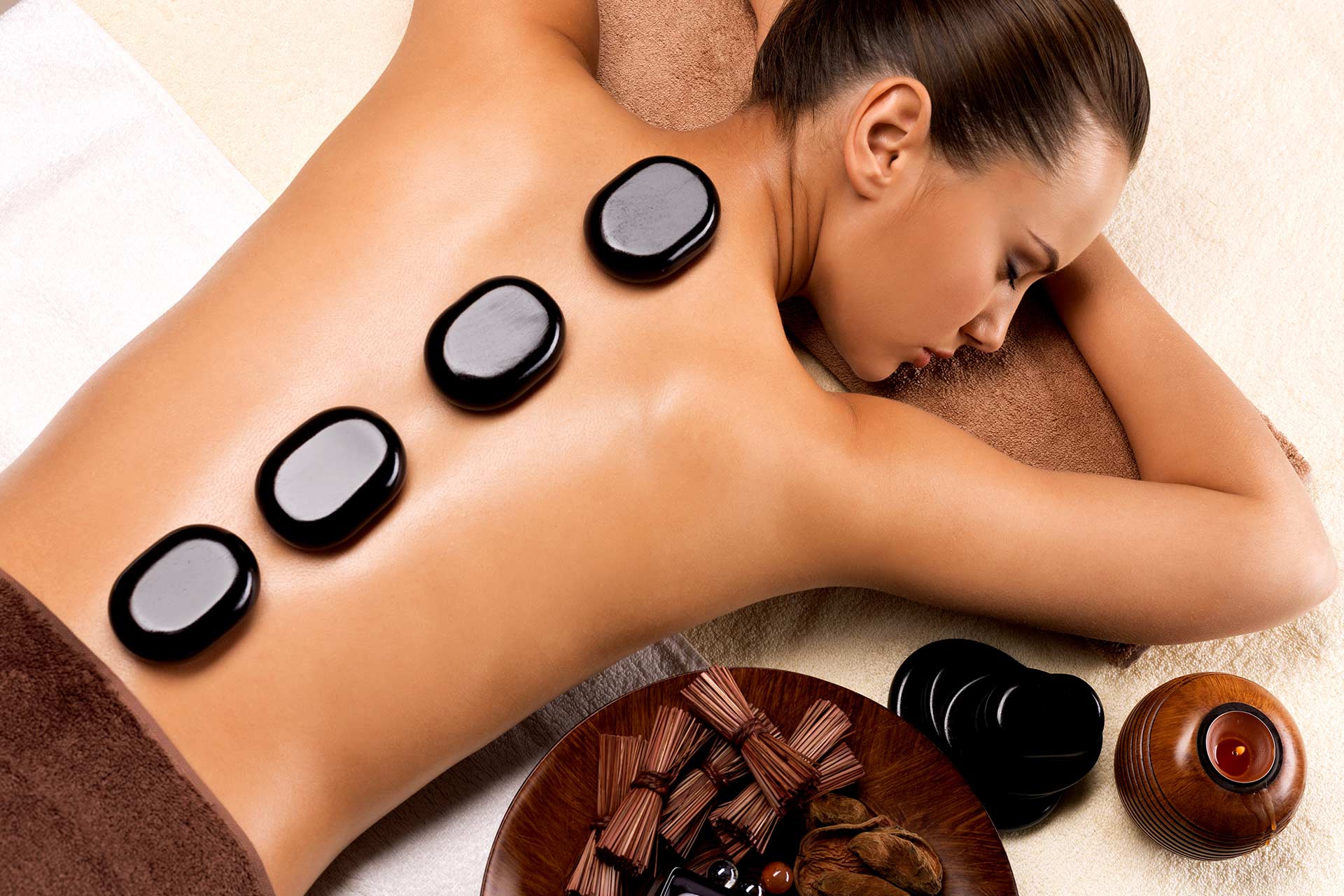
Dry, dull skin shows up fast in Dubai’s climate, and dust from nearby construction sites doesn’t help either. If you live around Wadi Al Safa, you’ve probably noticed how quickly your skin loses its glow between showers. A body scrub treatment tackles that problem at the source by clearing away dead skin cells and buffing the surface smooth. At Shiny Spa, therapists hear this request daily from residents who want their skin to feel renewed rather than just clean. This guide walks through what a body scrub actually does, the materials therapists use, the steps involved in a session, and what shapes the cost. It also covers how to spot a provider who takes hygiene and technique seriously, so you know exactly what to ask before your next appointment.
What a body scrub does for your skin
Ever run your hand over your arm after a long week and notice how rough it feels? That roughness comes from a buildup of dead skin cells sitting on the surface. A body scrub removes that layer using a mix of gentle friction and exfoliating grains, usually salt, sugar, or ground coffee bound in oil.
Once that top layer lifts away, the skin underneath gets a chance to breathe. Blood flow to the area picks up during the massage motion, and many clients notice brighter skin within the hour. The American Academy of Dermatology notes that exfoliation can leave skin looking brighter and helps other skincare products absorb more effectively. Dermatologists have also linked regular exfoliation to fewer clogged pores and breakouts, based on research published in Dermatologic Therapy in 2020.
Skin renews itself on its own, but the process slows with age, sun exposure, and stress. Left alone, that natural cycle takes anywhere from 28 to 40 days. A scrub session speeds that timeline along and clears the backlog of dead cells that dull your complexion. For residents dealing with Dubai’s dust and heat, this kind of upkeep isn’t a luxury add-on. It works more like routine maintenance, similar to a facial or a haircut.
Scrub types and materials worth knowing
Not every scrub suits every skin type, and picking blind rarely ends well. Salt scrubs work fast on rough patches like elbows and heels, but the coarse grains can sting on freshly shaved skin. Sugar dissolves faster and feels gentler, which makes it a better match for sensitive areas or first-time clients. Coffee scrub blends carry caffeine, and some therapists use them on areas prone to puffiness, though research on cellulite reduction stays limited.
Oil-based scrubs leave a light residue that some people love. Others prefer a rinse-off gel base that washes clean instead. Local spas near Wadi Al Safa often mix ingredients to match Dubai’s dry indoor air, adding extra moisturising oils compared to what you’d find in cooler climates.
Take a resident who moved to Wadi Al Safa last year and struggled with rough, sun-dried skin on her shins. She tried a salt scrub first and found it too harsh, then switched to a sugar-based blend on her therapist’s advice. After three sessions, the rough patches softened enough that she stopped noticing them under summer dresses.
| Scrub Type | Texture | Best For | Maintenance |
| Salt scrub | Coarse | Rough patches, elbows, heels | Weekly for problem areas |
| Sugar scrub | Fine | Sensitive skin, first-time clients | Every 1–2 weeks |
| Coffee scrub | Medium-coarse | Dull skin, tired-looking legs | Every 2 weeks |
| Oil-based scrub | Smooth, moisturising | Very dry skin | Weekly in dry months |
The process step by step
Walking into a session for the first time? Here’s what typically happens once you’re on the table.
- A therapist checks your skin for cuts, sunburn, or irritation before starting.
- Warm water or a light steam softens the skin so the scrub works evenly.
- The body scrub gets applied in circular motions, moving from feet toward the heart to support circulation.
- A rinse removes the grains, followed by a warm shower or wipe-down.
- A moisturiser or body oil locks in hydration while the skin is still slightly damp.
Sessions usually run under an hour, though therapists sometimes pair the scrub with a short massage. One licensed spa specialist in Dubai told us clients get the most benefit when they avoid direct sun for a few hours afterward, since freshly exfoliated skin turns more sensitive to UV rays. That detail catches many first-timers off guard, and skipping it can undo a good part of the treatment’s benefit.
Cost factors behind a body scrub session
Pricing varies a lot between spas, and a few details explain why. Understanding what drives the number on your bill beats guessing at checkout.
Session length and add-ons
A basic scrub-and-rinse session costs less than one paired with a massage, wrap, or facial. Bundled packages often work out cheaper per treatment than booking each service on its own. Ask your spa what’s included before you commit, because some listings only cover the scrub and charge extra for the moisturising finish.
Location and product quality
Spas in prime areas of Dubai tend to charge more, simply because of rent and staffing costs. Product quality matters too. Organic, imported scrub blends cost more than locally sourced salt or sugar bases, and that difference shows up on your final bill. Ask what’s in the product before you book, particularly if you deal with sensitive skin or allergies.
How to choose the right spa or therapist
Picking a provider matters more than picking a scrub type. So what separates a spa worth returning to from one you’ll skip after a single visit?
Check for a valid licence first. Every spa and wellness centre operating in Dubai needs approval from the Dubai Health Authority, and that licence should cover the specific services offered, including body treatments. A licensed venue follows set hygiene protocols for tools, linens, and product storage, and that matters more than décor or marketing.
Therapist training is the next thing worth asking about. A general beauty salon might offer a scrub as a side service, but a specialist spends more hours perfecting pressure, technique, and product pairing for different skin types. A provider that focuses specifically on body treatments in this area, such as Shiny Spa, will have handled Dubai’s climate-specific skin concerns before and will carry the training needed to adjust technique for sensitive or reactive skin, something a general beauty counter rarely offers.
Reviews help too, but read past the star rating. Look for mentions of cleanliness, therapist skill, and how staff handled allergies or skin concerns. A spa that responds calmly to a critical review often treats client concerns the same way in person.
FAQs
How much should I budget for a body scrub near Wadi Al Safa?
Pricing depends on session length, add-ons, and product quality. Ask your spa for a full breakdown before booking so extras like massage or wraps don’t surprise you at checkout.
Is there a good spa in Wadi Al Safa for a full body scrub?
Several spas near Wadi Al Safa offer this treatment. Look for one with a valid Dubai Health Authority licence, trained therapists, and clear details on the products used before you book a session.
Do spas in Wadi Al Safa need a special licence for body treatments?
Yes. Every spa operating in Dubai needs approval from the Dubai Health Authority, and that licence must cover the specific treatments offered, including body scrub services and other skin treatments.
Does a body scrub hold up well in Dubai’s hot climate?
Results last longer with daily moisturising and limited sun exposure right after treatment. Dubai’s heat and air conditioning both dry out skin faster, so most therapists suggest a session every two to three weeks.
What affects the price of a body scrub treatment?
Session length, added services like a massage or wrap, and the quality of the scrub product all shape the final cost. Bundled packages usually offer better value than booking each service separately.