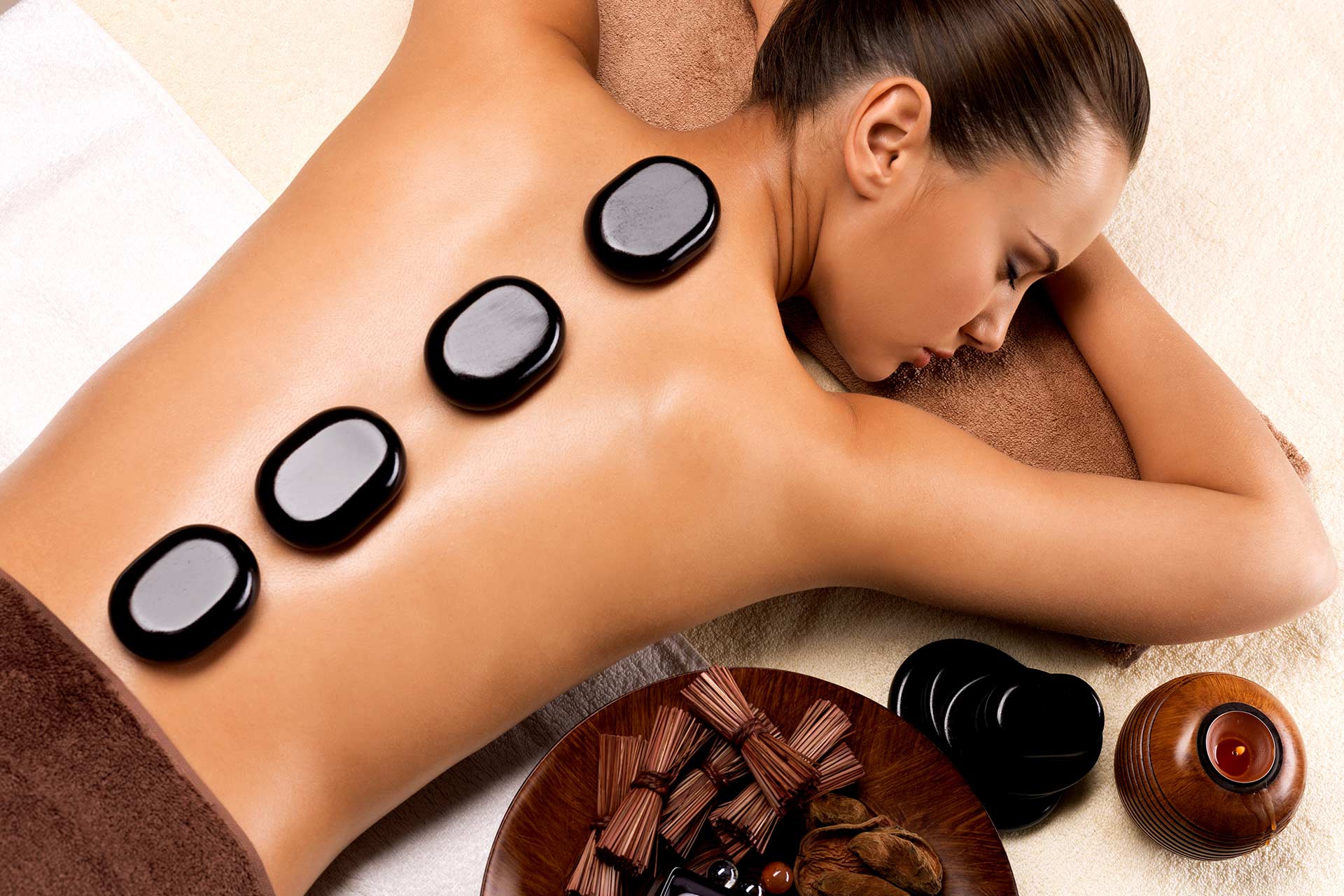
Your body doesn’t care that you’re too tired to drive across town for a spa appointment. When your shoulders are locked up after a week at a desk, searching for massage at home near me is usually faster than booking a table at a clinic. Shiny Spa sends licensed therapists straight to your door, with a table, oils, and clean linens included, so you skip the drive and the waiting room altogether. This guide covers what to expect from an in-home session, which massage style fits your situation, and what to check before you let a stranger set up a table in your living room.
What an in-home massage actually involves
Booking massage at home near you means a therapist packs a portable table, sheets, and oils into a car and comes to wherever you are. Most sessions run in a bedroom, living room, or spare room with enough floor space to set up. You control the lighting, the temperature, and the music, which is something a clinic can’t offer.
Parents with young kids or older adults with mobility limits are drawn to this setup because getting to an appointment isn’t always simple. A therapist who works exclusively in-home visits will bring everything needed and pack it away within minutes once the session ends, leaving the room close to how they found it.
Choosing a style that fits your body and your day
Not every massage style suits every situation, so it pays to think about what your body actually needs before booking. Swedish massage uses long strokes at light to medium pressure and works well for general stress relief or a first-time session. Deep tissue massage targets stubborn knots from lifting, sitting, or old injuries, though it can leave muscles tender the next day. Sports massage blends stretching with focused pressure and suits anyone training regularly or recovering from a hard workout. Prenatal massage uses specific positioning and lighter pressure, and it should only come from a therapist trained in that technique.
Here’s a quick side-by-side to help you pick the right one for your next home massage booking.
| Style | Pressure Level | Session Length | Best For | Training Needed |
| Swedish | Light to medium | 60–90 min | Stress relief, first-timers | Standard license |
| Deep tissue | Firm | 60–90 min | Chronic tension, old injuries | Standard license |
| Sports | Medium to firm | 45–75 min | Athletes, active recovery | Sports massage certification |
| Prenatal | Light | 45–60 min | Pregnant clients | Prenatal-specific training |
Once you’ve settled on a style, it helps to know how the actual appointment runs.
How a home visit works from booking to wrap-up
A therapist arriving for an in-home appointment usually confirms your address and any building access details the day before. When they show up, they set up the table in a few minutes and ask about injuries, allergies, and pressure preference before starting. This short conversation matters more than most clients realize, since it shapes how the whole session goes.
During the massage, you can ask for silence or music, more pressure or less, and the therapist should adjust without hesitation. After the session wraps up, they fold the table, gather the linens, and clear out within a few minutes. Picture a parent booking a session while a toddler naps: the therapist arrives on time, works quietly, and finishes before nap time ends, which simply isn’t possible with a clinic appointment squeezed into a lunch break.
What actually changes the cost of a home session
We won’t list exact rates here, since pricing shifts by region, therapist experience, and session length, but a handful of factors consistently move the number. Longer sessions and firmer techniques like deep tissue or sports massage generally cost more than a standard Swedish session, since they demand more physical effort from the therapist.
Travel distance and timing surcharges to expect
Distance from the therapist’s base and appointment timing both affect your quote too. A booking outside normal daytime hours, or one that requires significant travel, often carries a small surcharge. Ask for a written estimate before confirming so the number you see matches what you pay once the session ends.
How to pick a therapist you can actually trust
Anyone can advertise home visits online, so check credentials before letting someone into your space. Ask whether the therapist holds a valid massage therapy license through your state, provincial, or national licensing board, since most regions require in-home practitioners to carry both a license and liability insurance. A provider who dodges that question is one to skip.
A general booking app might send whoever happens to be free that day, without checking specialty or local experience. A team that focuses only on mobile wellness work — like Shiny Spa — will have handled in-home logistics before, know how to set up quietly in a shared apartment, and carry the liability coverage that broader gig-style platforms sometimes skip. That difference shows up once the therapist is standing in your hallway, not in an app store rating.
Daniel Osei, a licensed massage therapist with over a decade of mobile practice experience, says clients often skip the one question that matters most. “Ask how long the therapist has worked specifically in home visits, not just in a clinic,” he notes. “Setting up quietly in someone’s apartment is a different skill than working a spa floor.” According to the American Massage Therapy Association’s 2023 industry survey, demand for mobile and in-home massage bookings grew faster than clinic-based appointments across several major markets. A separate 2022 report from the Global Wellness Institute found that clients who book recurring in-home wellness sessions report higher satisfaction with pain management compared with one-off clinic visits, a pattern the report links to the comfort of a familiar setting.
Conclusion
Finding the right massage at home near you comes down to matching the style to your body, understanding how the appointment actually runs, and checking a therapist’s credentials before booking. Once you know what a home session involves, from setup to wrap-up, the whole process feels a lot less uncertain. If your back has been tight for weeks and a clinic visit keeps slipping down your to-do list, reach out to Shiny Spa and ask about scheduling a session around your week instead of the other way round.
FAQs
Is it safe to have a massage therapist come to my home?
Yes, as long as the therapist is licensed and insured. Confirm their credentials before booking, and let a friend or family member know your appointment time as a simple precaution.
Do I need special equipment for a massage at home?
No, a licensed mobile therapist brings a portable table, linens, and oils. You just need enough floor space to set up, usually about the size of a small bedroom rug.
How much does an in-home massage typically cost compared with a spa visit?
Pricing depends on session length, style, and travel distance, so it varies by booking. Ask your provider for a written quote before confirming so there are no surprises afterward.
Are there extra fees for booking a massage at home near me outside normal hours?
Many therapists add a small surcharge for early morning, late evening, or long-distance bookings. Confirm this detail when you book so the final quote matches your expectations.
Do mobile massage therapists need a license to work in my home?
Yes, in most regions a mobile therapist must hold the same license required for clinic work, along with liability insurance. Always ask to see credentials before your first session.