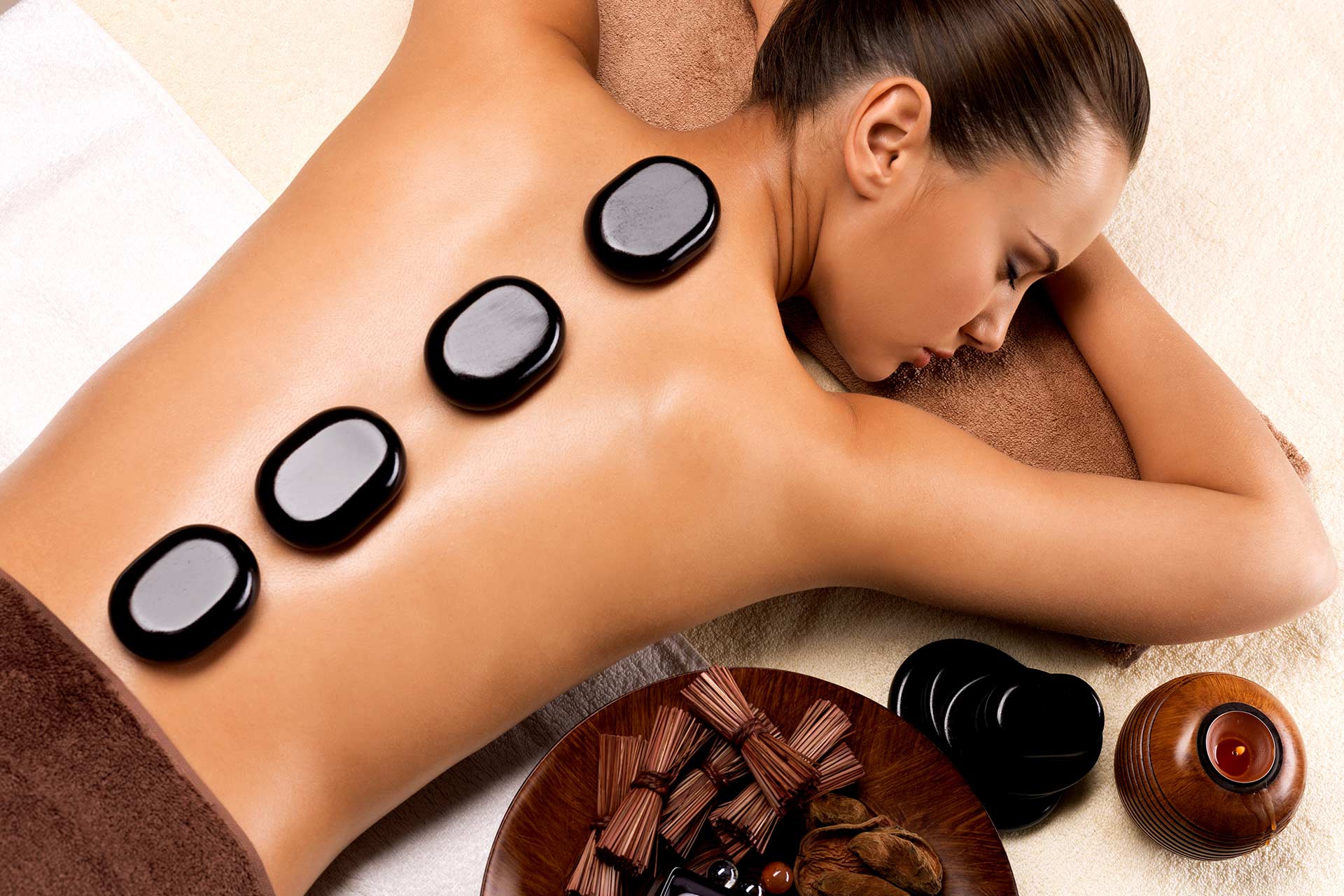
Long days, tight shoulders, and a mind that will not switch off. Sound familiar? That is the reality for many people living and working in Damachills right now. Shiny Spa sees this pattern every week, and it is exactly why interest in massage therapy keeps climbing in this area. This article walks you through what massage therapy actually does, the main types on offer, how a session works, what shapes the cost, and how to pick someone qualified near you.
What massage therapy is and why Damachills residents rely on it
Massage therapy uses hands-on pressure and movement to loosen tight muscles, calm the nervous system, and support recovery from physical strain. People here turn to it after long shifts on their feet, hours at a desk, or weekend sports that leave the body sore. A 2022 survey from the American Massage Therapy Association found that 88% of people who received a massage said it helped reduce stress and anxiety.
Why does that matter locally? Damachills has a mix of office workers, tradespeople, and shift workers, and each group carries tension in different places. Office staff tend to hold stress in the neck and shoulders, while manual workers often report lower back and leg tightness. Massage therapy addresses both, using techniques matched to the specific muscle group involved.
The World Health Organization has also linked chronic, unmanaged stress to higher rates of cardiovascular strain and disrupted sleep, based on its 2021 mental health report. Regular sessions will not fix every health issue on their own, but they give the body a structured way to release built-up tension before it turns into something worse.
Types of massage therapy: what fits your body best
Not every technique suits every problem. A deep tissue session works well for chronic tightness, but it can feel too intense for someone who just wants to relax. Swedish massage sits at the gentler end, while sports massage targets athletes recovering from training or injury.
Here is how the main options compare:
| Type | Pressure Level | Best For | Typical Session Length |
| Swedish massage | Light to medium | General relaxation, first-time clients | 45–60 minutes |
| Deep tissue massage | Firm to strong | Chronic muscle tension, old injuries | 60–90 minutes |
| Sports massage | Medium to firm | Athletes, active recovery, injury prevention | 45–75 minutes |
| Hot stone massage | Light to medium | Deep relaxation, poor circulation | 60–90 minutes |
Each option comes with trade-offs. Deep tissue work eases stubborn knots but can leave mild soreness the next day. Swedish massage feels gentle from the start but may not reach deeper muscle layers. Hot stone sessions warm the muscles before manual work begins, which suits colder months in Damachills when people arrive with stiff shoulders and cold hands.
The massage therapy process, step by step
Walking into your first session can feel uncertain if you do not know what happens next. Here is the usual flow.
The therapist starts with a short conversation about your goals, any injuries, and areas that feel tight. This intake step lets them adjust pressure and technique before you even get on the table. From there, most sessions follow a similar rhythm.
- A brief consultation covering health history and current pain points
- Light warm-up strokes to prepare the muscles
- Targeted work on the areas you flagged, using the chosen technique
- A cool-down phase with slower, lighter movement
- A short debrief where the therapist shares stretches or aftercare tips
One Damachills office worker we spoke with described arriving with a locked-up neck after weeks of remote meetings on a laptop propped on the couch. After a few sessions focused on the upper back and neck, the tightness eased and sleep improved within two weeks. That kind of steady, gradual result is far more common than an instant fix.
A licensed massage therapist in Damachills explained it this way: “Most people wait until pain is already bad before booking. Muscles respond better when you treat tension early, before it turns into a chronic pattern.”
What shapes the value you get from a session
Several factors affect what you get out of massage therapy, even though we will not walk through specific figures here.
Therapist experience and specialisation
A therapist who focuses on sports recovery will approach a hamstring strain differently than one who mainly does relaxation massage. Specialised training often means a more targeted treatment plan, which can reduce the number of sessions you need overall.
Session length and technique combination
Longer sessions allow time to work on more than one problem area, while shorter ones suit quick tension relief. Some clients combine techniques, such as Swedish massage for the back with focused deep tissue work on the shoulders, which changes how the session is structured.
Licensing also plays a role in what you are paying for, in a sense. Most regions require massage therapists to complete accredited training hours and hold a valid professional certification or license before they can practise. Always ask to see proof of licensing before your first appointment. This one detail separates a trained professional from someone with no formal qualification.
How to choose the right massage therapist in Damachills
Picking a provider comes down to a few practical checks rather than guesswork. Start by confirming their license and asking how long they have worked with your specific concern, whether that is chronic back pain, sports recovery, or general stress.
A general wellness centre that offers massage alongside a dozen other services will rarely match the depth of a provider who focuses on massage therapy full time. A specialist who works exclusively on massage therapy in Damachills, such as Shiny Spa, will have handled a wider range of muscle and posture issues specific to local lifestyles, from long commutes to physically demanding jobs. That kind of focused repetition builds a sharper eye for what each body actually needs.
Ask about their intake process too. A good therapist takes time to understand your history before applying pressure anywhere. If a provider skips straight past questions and goes straight to the table, that is a sign to look elsewhere.
Conclusion
Massage therapy works best when it is matched to your body, your schedule, and a therapist who takes the time to ask the right questions first. Damachills residents dealing with tight shoulders, stress, or recovery from physical work have real, proven options available close to home. If you want a local team that understands the demands of daily life here, Shiny Spa offers consultations and can walk you through which type of session fits your situation. Taking that first step is often the easiest part of the whole process.
FAQs
Is massage therapy in Damachills suitable for people with old injuries?
Yes, in most cases. A therapist will adjust pressure and technique around old injuries during the intake consultation, focusing on gentle, targeted work rather than aggravating the area further.
Do I need a referral to book massage therapy in Damachills?
No referral is usually needed for general wellness massage. If you are recovering from a specific medical condition, your doctor may still recommend particular techniques.
What determines how many sessions I will need?
This depends on how long you have had the tension, your activity level, and how your body responds to treatment. A therapist can give you a realistic estimate after your first session.
Are massage therapists in Damachills required to hold a license?
Yes. Most regions require completion of accredited training hours plus a recognised certification before a therapist can legally practise, so always confirm this beforehand.
How does the local climate affect how often I should book a session?
Colder months tend to tighten muscles faster, especially in the neck and shoulders, so many Damachills residents book slightly more often during winter to manage that added stiffness.