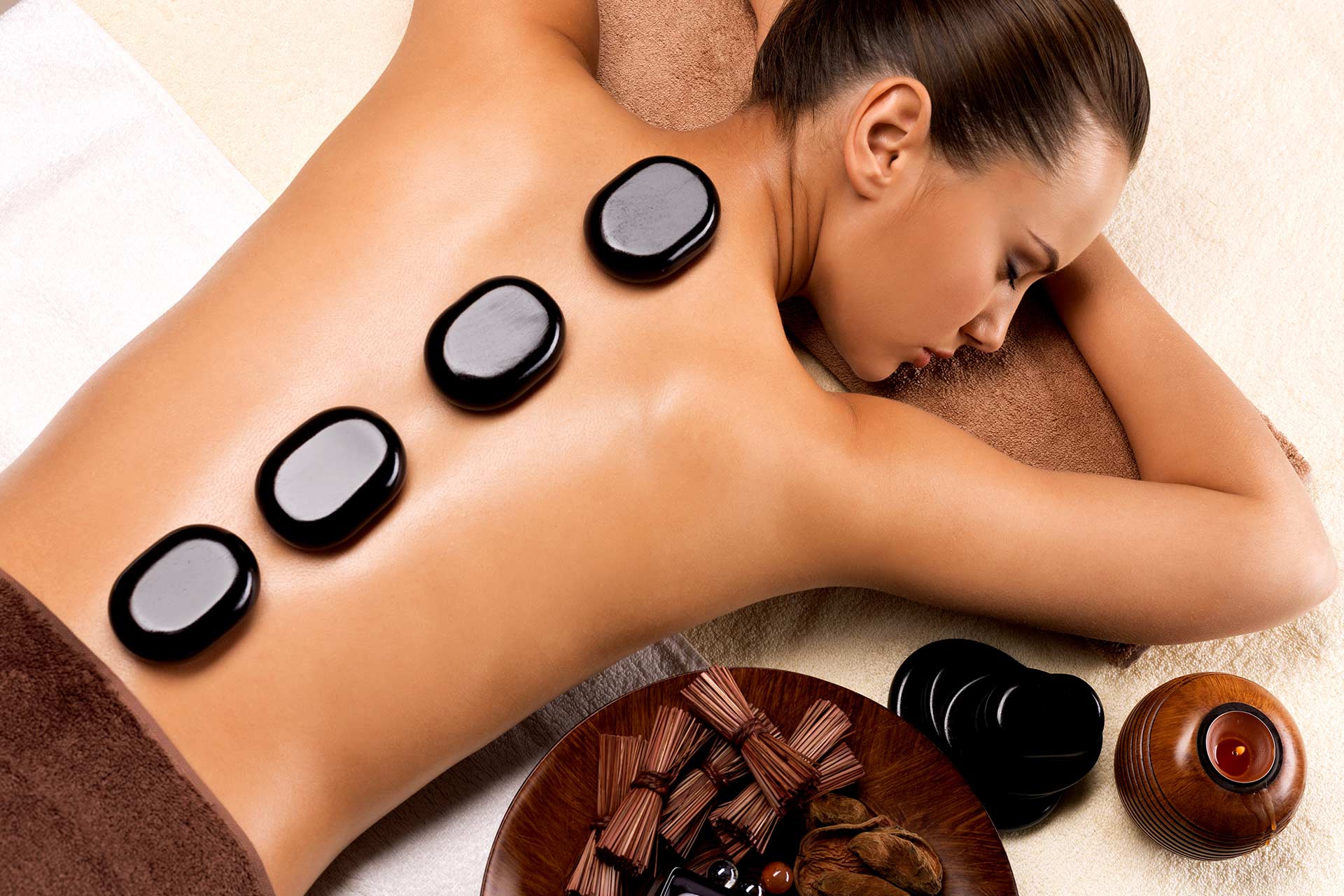
Training near the water in Dubai Creek comes with its own set of demands on the body. Shiny Spa sees this every week, from rowers on the creek to runners along the promenade who show up with tight calves and stiff shoulders. Sport massage has become one of the most requested treatments among this crowd, and for good reason. When heat, humidity, and long training blocks combine, muscles hold onto tension long after a session ends.
Why Dubai Creek athletes need this kind of recovery
Anyone who trains along the creek knows the heat changes how a body recovers. Muscles stay warmer for longer after exercise here, which sounds helpful but often just masks tightness that builds underneath. This treatment works tension out through direct pressure and stretching, targeting the specific muscle groups a runner, paddler, or cyclist actually uses.
Have you ever finished a hard session and felt fine, only to wake up unable to climb stairs the next morning? That delayed soreness is common among Dubai Creek’s active community, and it has a name: delayed onset muscle soreness, or DOMS. A 2017 meta-analysis in Frontiers in Physiology pooled data from eleven studies and over five hundred participants. Massage therapy lowered soreness ratings and improved muscle performance measures after intense exercise. A separate review of twenty-three DOMS studies found that roughly 78 percent showed a measurable drop in soreness after massage treatment. That kind of evidence is why this kind of massage sits alongside stretching and hydration as a standard recovery habit for people training in this climate.
None of this means massage replaces proper warm-ups or rest days. It works best as one part of a broader recovery routine, alongside enough sleep and steady hydration through the day, which matters more in a warm climate than people often realise.
Local trainers see the pattern too. A licensed sports therapist based in Dubai explains that outdoor clients in the creek area tend to carry more tension in the hips and lower back than indoor clients. Uneven running paths seem to be the cause. Working with that pattern, rather than applying a generic routine, tends to produce better results session after session.
Types of sport massage and which suits your training load
Choosing between recovery methods can feel confusing when every gym and spa near Dubai Creek describes its offering differently. Some options work best after a single hard workout. Others suit ongoing training blocks better. Picking the wrong one for your body just wastes your time on the table.
Deep tissue work suits people carrying chronic tightness from months of repetitive training, since it reaches the deeper muscle layers rather than just the surface. Swedish-style massage favours lighter pressure and longer strokes. Some athletes prefer this the night before a race, when they want to relax without added soreness the next day. Trigger point therapy zeroes in on specific knots, often in the shoulders or calves, and can bring quick relief between training blocks.
| Massage Type | Pressure Level | Best For | Typical Duration |
| Deep tissue | High | Chronic tightness, heavy training blocks | 60–90 minutes |
| Swedish/relaxation | Light to medium | Pre-race calm, general stress relief | 45–60 minutes |
| Trigger point | Targeted, high | Specific knots and referred pain | 30–45 minutes |
| Sports-specific combination | Variable | Athletes with a mix of tight and overworked areas | 60 minutes |
What separates these approaches in practice
Each method draws on the same underlying skill set, but the sequence and pacing change the outcome. A session built around deep tissue work usually opens with lighter strokes to warm the tissue. Jumping straight into intense pressure on cold muscle raises the risk of bruising. Combination sessions blend two or three of these approaches depending on what a therapist finds during the first few minutes of assessment.
How your training schedule should guide your choice
Timing matters just as much as technique. Booking a deep tissue session the day before a long run or race rarely works in your favour, since the muscle needs time to settle afterward. Scheduling that same session two or three days out gives the tissue time to recover and still addresses tightness before the event.
The process: what actually happens during a session
Walking into a sport massage appointment for the first time can feel uncertain if you don’t know what to expect. Most sessions in the Dubai Creek area follow a similar structure, though the details shift based on your goals and injury history.
A therapist typically starts with a short conversation about your training load, any pain points, and your goals for the session. This step matters because a runner nursing a tight IT band needs a different approach than a swimmer dealing with shoulder fatigue. After that, the massage itself usually moves from lighter warm-up strokes into firmer, targeted work on the areas you flagged.
Some therapists check your posture and gait before starting, especially if you’ve mentioned recurring pain in one leg or side. This quick assessment can reveal an imbalance that explains why one calf always feels tighter than the other. Catching that pattern early often changes how the rest of the session is planned, since the therapist can focus extra time on the compensating muscle group rather than treating both sides equally.
Breathing steadily through the firmer sections helps the muscle release rather than tense up against the pressure. Many clients notice mild soreness for a day afterward, similar to the feeling after a solid workout, and that usually settles within 24 to 48 hours. Drinking water afterward supports the process, since the manual pressure moves fluid through tissue that may have been holding onto waste products from training.
Choosing the right provider near Dubai Creek
Picking a provider matters more than most people realise, since technique quality varies widely across the wellness scene here. A general spa offering a broad menu of treatments handles massage therapy as one option among dozens. A specialist who focuses on athletic recovery has usually seen hundreds of cases similar to yours. They adjust technique on the fly when something feels off.
What should you actually ask before booking? Start with the therapist’s training background and how much of their client base comes from active, sport-focused clients rather than general relaxation seekers. Local companies like Shiny Spa focus on sport recovery work across the Dubai Creek area. That focus tends to build a deeper understanding of training cycles, common overuse patterns, and which pressure levels suit different muscle groups. A broader wellness menu often does not build that same depth.
A provider working exclusively on sport and recovery massage in this area will typically have handled the local mix of running, paddling, and gym-based training injuries. They know which techniques suit muscle groups stressed by heat and humidity, and they carry insurance specific to therapeutic bodywork, something a general beauty salon offering massage as an add-on rarely carries. Regulation backs this up too. Therapists working in Dubai spas must hold an active professional license issued through the Dubai Health Authority. This registers through its Sheryan portal before they can legally treat clients. Asking to see that credential before your first appointment is a reasonable and simple step.
A helpful scenario illustrates the difference. A recreational triathlete training for a half-distance race booked a generic relaxation massage two days before her event. She left with unexpectedly sore quads, because the therapist applied heavy pressure without checking her race schedule. After switching to a sport-focused provider who timed sessions around her training calendar, her pre-race soreness dropped and her legs felt noticeably fresher on race morning.
Conclusion
This kind of massage plays a real part in how well your body handles training along Dubai Creek. Heat affects muscle recovery, and running, paddling, and cycling each place their own demands on the body. Picking the right type of session matters. So does timing it around your training calendar and choosing a provider who understands athletic recovery. If a session leaves you sorer than expected or doesn’t address your specific pain points, that’s worth raising with your therapist directly rather than assuming it’s normal. For anyone training in the area, Shiny Spa offers assessments where you can talk through your training load. That conversation helps you figure out which approach fits your body right now.
FAQs
What factors affect how much a sports massage session near Dubai Creek costs?
Session length, the type of treatment chosen, and the therapist’s experience level all play a part, along with whether the spa specialises in sport-focused recovery work.
Does booking a longer session change the value you get from sports massage in Dubai Creek?
Longer sessions usually cover more muscle groups and allow deeper work on problem areas, so the length you choose should match how much tightness you’re carrying that week.
Are there permit or licensing requirements I should check before choosing a spa in Dubai Creek?
Look for a spa where therapists hold an active Dubai Health Authority professional license. This confirms they’ve met the qualification and registration standards required to legally treat clients.
Does the heat and humidity around Dubai Creek affect how long the benefits of a massage last?
Warmer muscle tissue tends to release tension more readily during a session, though the relief can fade faster in heat if hydration and stretching don’t follow afterward.
Can this treatment help with an old running injury that flares up occasionally near Dubai Creek’s outdoor tracks?
It can support recovery and reduce tightness around an old injury site. A flare-up with sharp pain should be checked by a physiotherapist or doctor first.