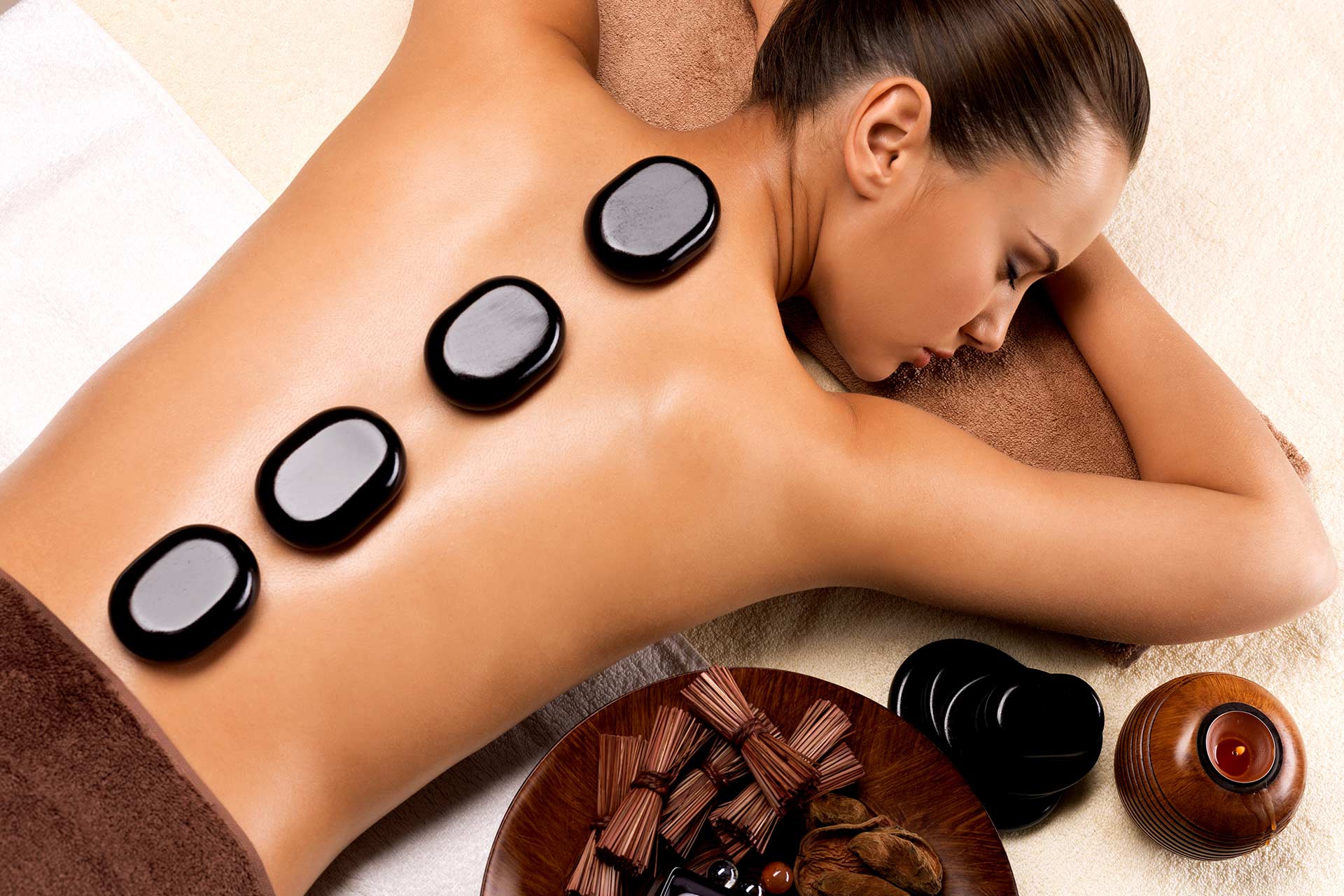
Ever wondered why so many people still choose a Turkish Hammam over a quick shower and a bit of lotion? At Shiny Spa, we see it every week. Guests arrive tense, tired, and carrying stress in their shoulders. They leave with softer skin, calmer minds, and a routine they actually want to repeat. A Turkish Hammam blends heat, steam, and gentle touch into one session that works on the body from the outside in. This article walks through what a hammam actually does, how the treatments differ, and what to expect during your first visit.
What Is a Turkish Hammam and Why People Choose It
A Turkish Hammam is a steam bath tradition built around warm marble rooms, rising humidity, and a full-body cleansing ritual. People choose it for one simple reason: it works on both skin and stress at the same time. The warm air opens pores, the steam softens dead skin, and the stillness of the room slows the mind down.
Research from the International Spa Association (2022) found that regular heat and steam therapy sessions were linked to measurable reductions in reported muscle tension and self-rated stress scores. That matters because most people book a hammam spa visit for exactly that reason, not just for smoother skin.
Take a typical guest who spends long hours at a desk. Their shoulders sit tight, their skin looks dull, and sleep feels shallow. A single hammam ritual, done properly, can loosen that tension in under an hour. That is the appeal: one session, two results.
Types of Hammam Treatments and How They Compare
Not every Turkish bath session looks the same. Some focus purely on steam, others add scrubbing, and a few include oil-based massage. Picking the right one depends on your skin, your schedule, and how deep you want the treatment to go.
A classic steam-only session suits first-time visitors who want a gentle introduction. A full scrub and foam wash suits anyone dealing with rough or flaky skin. An oil massage add-on suits guests who carry tension in specific muscle groups. Comparing these side by side makes the choice easier.
| Treatment Type | Duration | Skin Focus | Best For | Maintenance |
| Steam-only session | 20–30 min | Pore opening | First-time visitors | Weekly |
| Kese scrub and foam wash | 40–50 min | Dead skin removal | Dull, rough skin | Every 2 weeks |
| Oil massage add-on | 60–75 min | Muscle relief | Tension and stiffness | As needed |
| Full hammam ritual | 90 min | Full body renewal | Deep relaxation seekers | Monthly |
Each option builds on the last one. A steam-only visit softens the skin, a scrub removes what steam loosened, and a massage finishes the job by easing the muscles underneath. Local providers like Shiny Spa that focus specifically on hammam treatments tend to sequence these steps in the correct order, which general wellness centers sometimes skip.
What Happens During a Traditional Turkish Bath Session
Walking into a hammam for the first time can feel unfamiliar, so knowing the steps in advance helps. The session usually starts with a warm-up period in the steam room, where humidity gradually rises to loosen the skin and relax the muscles.
After the warm-up, a trained attendant applies a kese glove, a coarse mitt used to remove dead skin through gentle friction. This step is where most of the visible skin renewal happens. Guests often notice smoother skin within minutes of this stage.
Once the scrub finishes, a foam wash follows. Thick, soft foam is spread across the body and rinsed away, leaving the skin clean and calm. Some sessions close with a short oil massage focused on the neck, shoulders, and back. Others end with simply resting in a cool room while the body settles.
A licensed spa therapist in the Middle Eastern wellness tradition once described the process this way: the steam prepares the skin, the scrub renews it, and the rest period lets the nervous system catch up. That order matters more than people realize.
Choosing the Right Hammam Experience for Your Skin
Skin varies from person to person, so the right hammam approach depends on what your skin actually needs. What works for dry, flaky skin will not suit oily or sensitive skin in the same way.
Skin Type Considerations
Dry skin usually benefits from a gentler scrub and a longer oil massage afterward, since the goal is to remove buildup without stripping natural moisture. Oily or acne-prone skin often responds well to a firmer scrub paired with a shorter steam period, which limits excess oil production. Sensitive skin needs a lighter touch throughout, with lower steam temperatures and a mild, unscented foam wash.
Frequency and Aftercare
A hammam session is not something to repeat daily. Most skin types do well with a session every two to four weeks, giving the skin time to regenerate between visits. Afterward, drinking water and applying a light, fragrance-free moisturizer helps lock in the results. Skipping aftercare is a common mistake that shortens how long the benefits last.
Finding a Trusted Hammam Provider Near You
Not every spa that lists a Turkish Hammam actually understands the tradition behind it. A provider who works only within this specific practice will have trained staff who understand skin sensitivity, correct steam temperatures, and proper scrub techniques.
A specialist who focuses exclusively on hammam treatments, such as Shiny Spa, will typically know how to sequence steam, scrub, and rest correctly. A general wellness center offering it as one item on a long menu may not follow the same order or use trained attendants for the scrub stage. That difference shows up in the results.
Local health authorities in most regions require spas offering steam and wet treatments to follow hygiene codes covering water temperature, room ventilation, and sanitation between guests. Asking a provider whether they follow these standards is a reasonable question, and a trustworthy spa will answer it directly. Checking reviews, asking about staff training, and confirming hygiene practices will tell you more than a glossy website ever could.
Conclusion
A Turkish Hammam offers something a quick shower cannot: real skin renewal paired with genuine physical rest. Whether you choose a steam-only session or the full ritual with a scrub and massage, the tradition rewards consistency more than intensity. If you want a team that understands the correct sequence and treats your skin with care, reach out to Shiny Spa for a free consultation and find the treatment that fits your skin and schedule best.
FAQs
Does a Turkish Hammam near me suit sensitive skin?
Yes, most spas adjust steam temperature and scrub pressure for sensitive skin. Ask your provider beforehand so they can tailor the session and avoid strong fragrances or overly firm exfoliation during your visit.
What determines how much a session costs?
Costs vary based on treatment length, whether a scrub or massage is included, and the provider’s location. Ask a local spa directly for a breakdown before booking your session.
Are there permits or health codes hammam spas must follow?
Most regions require wet-treatment spas to meet hygiene and ventilation codes, including water temperature limits and sanitation rules between guests. A licensed provider should be able to confirm these standards on request.
How often should I book a traditional Turkish bath?
Every two to four weeks works well for most skin types. This gives skin time to regenerate and avoids over-exfoliation, which can leave skin irritated rather than renewed.
Does hammam treatment last well in dry or humid climates?
Yes, though dry climates may require more frequent moisturizing afterward. Humid climates tend to extend the smoothing effect, since skin retains moisture longer between sessions.