Tight shoulders, a busy mind and restless nights often go together. At Shiny Spa, we hear from many people who want a calm, hands-on way to reset. Arabic massage is one option that blends warm oil, firm pressure and slow, rhythmic strokes. So, how does it actually help you relax?
First, let’s look at where this treatment comes from. Some guests call it a hammam massage, and others call it a Moroccan bath massage. It grew out of bath-house traditions across the Middle East and North Africa. In this guide, we cover the techniques, the process, the cost factors and how to choose a provider near you.
Because we want you to feel prepared, we keep the language simple. You will learn what to expect, what to ask and what to avoid. Then you can decide if this style of relaxation massage suits your body and your schedule.
Why people seek out this traditional bath-house treatment
Stress builds up slowly, and most of us carry it in our necks and backs. Many people turn to Arabic massage because it treats the whole body in one slow session. The therapist uses warm oil, long gliding strokes and steady pressure on the muscles. Because of this, the body shifts from alert mode toward rest.
Research on massage therapy backs up its calming effect. A meta-analysis by Moyer, Rounds and Hannum (2004) in Psychological Bulletin found that a single session of massage lowered anxiety, blood pressure and heart rate. Field and colleagues (2005) reported that massage cut cortisol levels by about 31 percent. Cortisol is a key stress hormone, so those numbers help explain why this kind of stress relief feels so deep.
Who tends to book it? Office workers who want a massage for tight shoulders and back, runners with tired legs and travellers after long flights are all common guests. For example, one guest might spend eight hours at a desk and arrive with a knotted upper back. After a warm oil massage with slow strokes, that guest often leaves loose and sleepy.
Techniques and styles you can choose from
Not every session looks the same, so it helps to know your options. Each version of Arabic massage shares slow pacing, but the pressure and extras differ. A classic hammam-style session begins with steam and a body scrub, then moves to oil. Other versions skip the scrub and go straight to muscle work.
| Style | Pressure | Main feel | Best for | Typical length |
| Hammam scrub and massage | Light to medium | Soft and warming | First-timers, dry skin | 60 to 90 minutes |
| Warm oil massage | Medium | Deeply calming | Stress, poor sleep | 60 minutes |
| Deep tissue, Arabic style | Firm | Focused release | Knots, sports strain | 60 to 75 minutes |
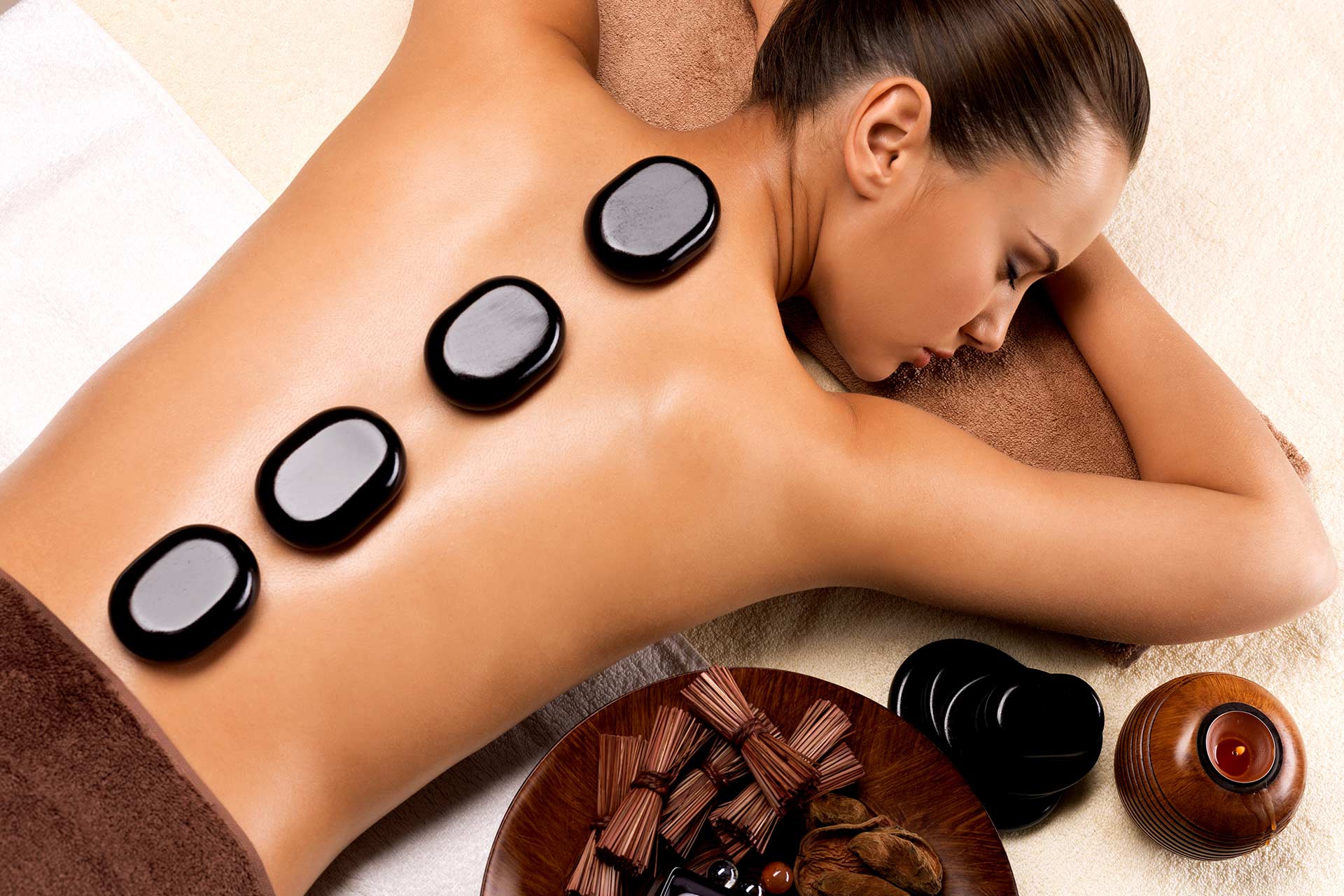
| Hot stone blend | Medium | Heavy warmth | Cold muscles, winter | 75 minutes |
Which one suits you? If you want pure relaxation, start with warm oil. On the other hand, firm work suits tight muscles, though it can leave you sore for a day. Keep in mind that scrubs can irritate sensitive skin, and oils can leave a light residue on your hair.
What happens during a session, step by step
First, you fill in a short health form and talk with your therapist. Then you share any injuries, allergies or sore spots. A good session starts with listening, so be honest. Next, you change into a robe or disposable underwear, depending on the spa.
After that, many spas begin with warmth. You might relax in a hammam steam room or lie on a heated slab for ten to fifteen minutes. The heat softens tight muscles and opens the skin. If your package includes a scrub, the therapist uses a rough kessa glove to lift dead skin.
Then the warm oil massage begins. The therapist warms the oil and works in long strokes from your back to your legs, arms and neck. Pressure builds slowly, and you can ask for more or less at any time. Finally, you rest for a few minutes, sip water and move slowly as you get up.
What shapes the cost of your session
Every spa sets its own rates, so we cannot quote a figure that fits everyone. Still, a few clear factors decide what a session costs. Knowing them helps you compare providers fairly. As a rule, a longer or more detailed hammam massage costs more than a short oil session.
Session length and add-ons
Time is the biggest driver. A 60-minute session takes less therapist time than a 90-minute ritual with steam and a scrub. Add-ons such as hot stones, aromatherapy oils or a facial mask raise the total too. Package deals that combine a scrub and oil work often give better value than separate bookings.
Therapist skill and setting
Training matters, because a therapist with years of practice can read tension quickly. The setting counts too. A spa with steam rooms, heated slabs and private rooms costs more to run than a simple treatment room. Weekend and evening slots can change rates as well.
How to pick a provider near you
Searching for Arabic massage near me brings up dozens of results, so how do you narrow them down? Start with credentials. Ask whether the therapist holds a licence or certification. Rules differ by country, but most US states license massage therapists, and many UK councils require a licence for massage premises.
Next, look at specialisation. A spa that focuses on traditional treatments, like Shiny Spa, is more likely to have therapists trained in hammam techniques, dedicated steam facilities and a clear hygiene routine. A general gym or a busy multi-service chain may offer a short oil massage but skip the steam and scrub. That difference shapes the result you get.
Finally, read recent reviews and check hygiene. Look for fresh linens, clean rooms and a therapist who asks questions before starting. Licensed massage therapists often point out that a thorough intake chat says more about quality than a long treatment menu. Whether you search for a traditional hammam spa near me or a quiet studio for a warm oil session, check reviews from the last few months.
FAQs
Where can I find Arabic massage near me?
Check local listings and spa directories for providers that name traditional treatments. Look for licensed therapists, clear hygiene rules and recent reviews. Call ahead and ask which techniques they use, how long each session lasts and whether they offer steam. Then compare two or three options before you book.
How much does an Arabic massage near me usually cost?
Rates depend on session length, add-ons such as scrubs or hot stones, therapist training and the spa’s setting. Because every provider sets its own pricing, call two or three spas. Compare what each session includes, such as steam time, oil type and private rooms, before you decide.
Does a traditional hammam spa near me need a licence to operate?
Rules vary by country, state and city. Many US states license therapists, and many UK councils license massage premises. Ask any provider to show their qualifications and local operating licence before your first visit. Reputable spas display both openly and answer questions about training without hesitation.
Is Arabic massage suitable in hot or cold weather?
Yes, with small changes. In hot weather, drink extra water and ask for a lighter oil. In cold months, the warmth from steam and heated slabs feels especially soothing. Skip booking straight after intense heat exposure or hard exercise, since your body needs time to cool down first.
What affects the price of a hammam massage package?
Session length, included extras, therapist experience and location drive the final rate. Packages that bundle steam, a scrub and oil work often cost less than booking each step alone. Always ask what the package includes and whether taxes or service fees apply before you confirm your booking.
Conclusion
A slow, warm session can calm your muscles and your mind. Now you know the techniques, the steps and the factors that affect cost. Your next step is simple: pick a style, check a provider’s licence and ask questions. If you want a team that focuses on traditional treatments, reach out to Shiny Spa and ask about Arabic massage options for your needs. You deserve a break that feels safe, calm and well run. Take your time, and choose the session that feels right for your body.