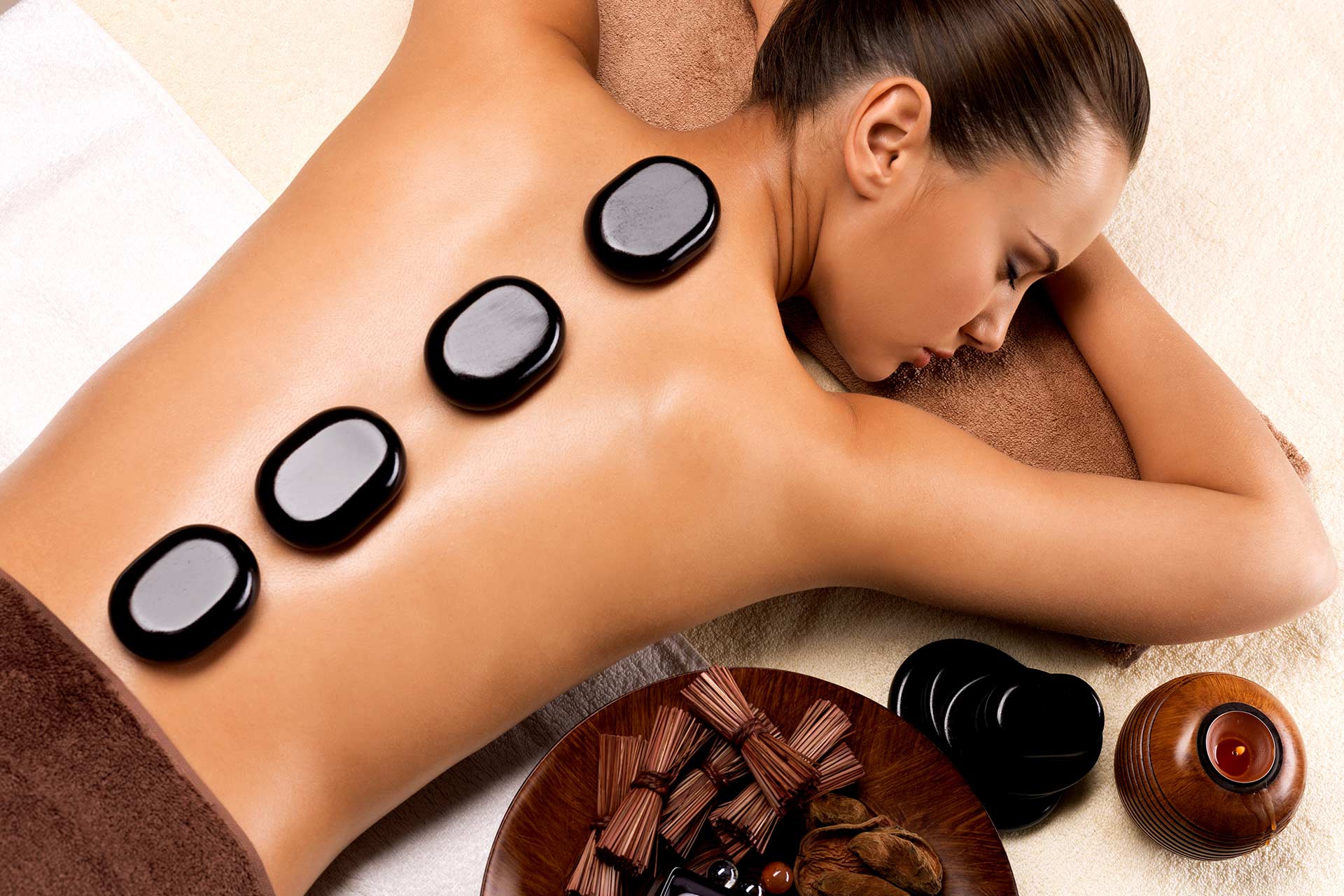
Long hours at a desk leave your neck tight and your mind loud. At Shiny Spa, we see this pattern every week from people who work around the Trade Centre. A swedish massage gives tired muscles a calm, steady reset, and many guests leave feeling lighter after one visit.
Is it the right choice for you? In this guide, we explain how swedish massage works, which techniques you will meet, and what happens in the room. Next, we compare it with other styles in a simple table. Then we cover how to choose a therapist and answer the questions we hear most. By the end, you can book with confidence.
Why people choose a classic relaxing massage
Most people come to us for one reason: they want their shoulders to drop. Swedish massage uses long gliding strokes, kneading, and gentle circles to loosen tight muscle. The pressure stays light to medium, so you feel soothed rather than pushed. That makes it a popular first massage for office workers, shoppers, and business travellers around the Trade Centre.
The method has a long history. Per Henrik Ling, a Swedish fencing and gymnastics teacher, is often credited with shaping it in the early 1800s. Later, Dutch practitioner Johan Georg Mezger gave the strokes the French names we still use today. Because of that history, swedish massage became the base of most Western massage training.
Research supports the calming effect. In 2010, Rapaport and colleagues at Cedars-Sinai Medical Center studied 53 healthy adults and found that one session of swedish massage lowered stress hormones. A 2011 trial by Cherkin and colleagues in the Annals of Internal Medicine found that relaxation massage helped people with long-term back pain. So the benefits go well beyond a pleasant hour.
According to a licensed massage therapist in the UK, swedish massage suits people who sit all day. The long strokes warm the muscle before any deeper work begins. That slow start lowers the risk of soreness afterwards.
Consider a realistic case. A project manager works in an office near the Trade Centre and carries tension in her upper back by Thursday. She books a weekly swedish massage on her lunch break for a month. By the third visit, she sleeps better and lifts her arms without a pinch.
Techniques and styles you will meet
Five core strokes give the session its shape. Effleurage is the long, gliding stroke that opens and closes each area. Petrissage kneads the muscle, friction uses small circles on knots, and tapotement adds light tapping. A therapist blends these strokes in a swedish massage to match your needs on the day.
Each approach has trade-offs. A classic relaxation style feels soothing, but it may feel too light if you carry deep knots. A firmer swedish massage loosens muscle faster, yet you may feel tender the next day. Aromatherapy oils add scent and calm, so anyone with sensitive skin should ask about ingredients first.
How does it stack up against other styles? The table below compares swedish massage with four common choices, so you can match each one to your goals.
| Style | Pressure | Session Feel | Best For |
| Swedish massage | Light to medium | Slow, flowing | Relaxation, mild tension |
| Deep tissue | Firm | Focused, intense | Chronic knots |
| Thai massage | Medium to firm | Active, stretching | Stiffness, flexibility |
| Hot stone | Light to medium | Warm, heavy calm | Cold muscles, stress |
| Sports massage | Medium to firm | Targeted | Recovery after training |
A session from start to finish
Walking in for the first time can feel unfamiliar, so we explain every step. A swedish massage follows a clear order, and your therapist checks in as they go. Here is what usually happens:
- Consultation: you share injuries, sore spots, and health conditions.
- Setup: you undress to your comfort level and lie under a warm sheet.
- Back and shoulders: long strokes warm the muscle, then kneading loosens knots.
- Arms and hands: steady pressure relaxes the forearms and wrists.
- Legs and feet: slow strokes ease the calves, thighs, and soles.
- Finish: light strokes close the session, and you rest with a glass of water.
Most visits last 30 to 90 minutes. If a stroke feels too firm, tell your therapist at once, because a good one adjusts straight away. After your swedish massage, drink water and keep the rest of the day easy.
What shapes the price of a visit
Nobody likes a surprise at the front desk, so it helps to know what drives the final bill. Two groups of factors matter most. We break them down next, and each one applies to any swedish massage you book.
Session length and therapist experience
Longer sessions take more of the therapist’s time, so they sit higher on the menu. Training matters too. A therapist with years of practice and a recognised diploma usually charges more than a recent graduate. For example, a 90-minute swedish massage with a senior therapist reflects that depth of skill.
Location and add-on treatments
Rent in a busy business district runs higher than in a quiet suburb, and that shows in the final bill. Hotel spas often charge more than small independent studios. Extras like hot stones, scalp work, or aromatherapy oils raise the total as well. Ask which extras come with the base swedish massage before you book.
Finding a qualified therapist
A good therapist makes the biggest difference to your visit, so what should you look for? Start by asking about training hours and where they studied. Check registration too, since most US states license massage therapists and many UK therapists join the Complementary and Natural Healthcare Council register. Rules differ by country, so look up your local requirements before you book a swedish massage.
Insurance counts as well. A therapist with professional cover protects you if something goes wrong. In addition, read recent reviews and look for comments on hygiene and communication. Your swedish massage should never cause sharp pain.
Specialists often hold an edge over generalists. Therapists who focus on swedish massage every day, like the team at Shiny Spa, tend to know how to adjust pressure for a stiff neck or a sensitive back. A general spa with a long treatment menu may rotate staff, so your therapist could change each visit. Your swedish massage may then feel different every time.
Frequently Asked Questions
How much does a swedish massage near the Trade Centre cost?
Cost depends on session length, therapist experience, and add-ons such as aromatherapy oils. Call two or three studios near the Trade Centre and ask what each price includes. A longer session usually costs more per visit but less per minute, so compare carefully.
Is swedish massage in the Trade Centre area covered by health insurance?
Some private health plans cover registered massage therapy, but coverage varies by provider and policy. Read your plan, ask the studio for an itemised receipt, and confirm the therapist’s registration before you claim. A quick call to your insurer saves time and avoids rejected claims.
Do therapists need a licence to offer swedish massage near the Trade Centre?
Licensing rules depend on the country and, in some places, the state or city. Ask to see a current certificate, and check your local health authority’s website to confirm it is active. A reputable studio shares this information without hesitation.
How often should you book a swedish massage?
Most people book every two to four weeks for general upkeep. If you have a specific problem, such as a tight upper back, weekly visits for a month may help. Your therapist can adjust the plan after seeing how your body responds.
Do the effects of a swedish massage last in hot or cold weather?
Cold air tightens muscle, so relief may fade sooner in winter. Stay warm, stretch daily, and drink water to keep the benefits longer. In hot weather, drink more than usual and avoid sudden swings between heat and strong air conditioning after your session.
Conclusion
A good session leaves you looser, calmer, and more aware of how you hold your body. Start by writing down your goals, whether that means back relief, better sleep, or simple rest. Then reach out to Shiny Spa and ask how a swedish massage could fit your week. Take your time, ask questions, and choose a therapist who listens. Your body will tell you when you have found the right fit, and the next visit will feel easier.