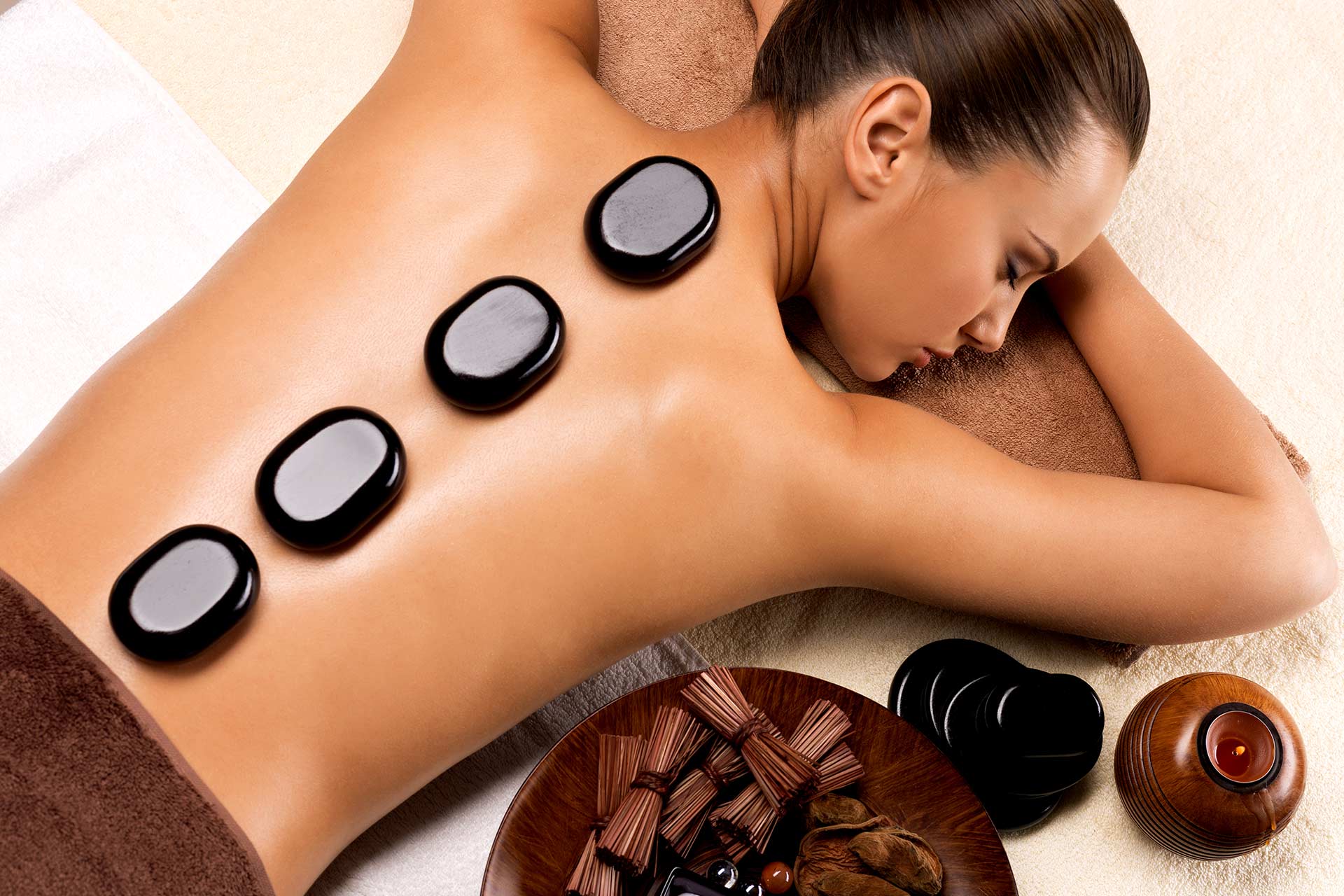
Sore shoulders after a long week at a desk can drag down your whole mood. Many people who visit Shiny Spa share the same story: a tight back, stiff legs, and no clear plan. So we wrote this guide on massage for muscle pain to help you choose a path with confidence.
First, we cover how massage therapy works and why people book it. Next, we compare the main techniques and walk through a typical session. After that, we break down cost factors and share tips for picking a therapist. Along the way, you will find short answers to common questions.
Whether your pain comes from training, stress, or a long commute, muscle pain relief starts with knowing the cause. We keep the language plain, so you can follow along even if you have never booked a session before. Ready to feel looser?
Why muscle tension sends people to a therapist
Most tension builds slowly over weeks. Hard training, poor posture, and stress all play a part. Soon a simple stretch stops helping, and sore muscles begin to affect sleep and mood. That is when many people look for hands-on care.
So how does massage for muscle pain work in practice? The therapist uses pressure and slow strokes to warm the tissue, boost blood flow, and calm the nervous system. For instance, Crane and colleagues (2012) tested ten minutes of Swedish massage after hard exercise. Their muscle samples showed fewer inflammation-related signals.
Pain research points the same way. A Cochrane review by Furlan and colleagues (2015) found that massage may bring short-term relief for low back pain. Still, results differ from person to person, so we suggest realistic goals for muscle pain relief.
Most clients book for one of three reasons. Some want recovery after workouts, others need relief from desk stiffness, and a few are managing old injuries that flare up. Each reason points to a different style, from sports massage to deep tissue massage, which we cover next.
Techniques that suit sore muscles and training habits
Each technique targets pain in a different way. Swedish massage uses long, gentle strokes, so it suits general tightness and high stress. Deep tissue massage uses slower, firmer pressure on layers beneath the surface. Because of that, it often helps with stubborn knots in the shoulders, lower back, and calves.
Sports massage focuses on the muscles you train most. Therapists use it before events to warm up and afterwards to speed recovery. Trigger point therapy targets small, tender knots that send pain elsewhere, such as a shoulder knot that sparks a headache. Myofascial release uses slow, gentle pressure on the connective tissue around muscle.
Which one should you pick? For massage for muscle pain, we suggest matching the technique to the cause, then adjusting pressure as you go. Clear feedback from you makes every session work better. The table below sums up how the common styles compare.
| Technique | Pressure | Best for | Feels like afterwards |
| Swedish | Light to medium | Stress, general tightness | Relaxed and warm |
| Deep tissue | Firm | Chronic knots, stiff back | Sore for a day, then looser |
| Sports | Medium to firm | Training recovery, tight legs | Loose and ready to move |
| Trigger point | Focused and firm | Tender knots, referred pain | Sharp at first, then eased |
| Myofascial release | Slow and gentle | Tight connective tissue, stiff hips | Lengthened and calm |
What a deep tissue session looks like from start to finish
Good sessions follow a clear pattern, so nothing should catch you off guard. Here is the usual flow for therapeutic work:
- Consultation: first, the therapist asks about your pain, past injuries, and medication.
- Assessment: next, they check posture and movement to spot tight areas.
- Setup: then you undress to your comfort level and lie under a sheet or towel.
- Hands-on work: after that, the therapist warms the area with light strokes before using firmer pressure.
- Aftercare: finally, you receive advice on water, stretching, and rest.
What if the pressure feels too strong? Speak up straight away. A good therapist will ease off, because pain that makes you tense up defeats the purpose of deep tissue massage.
Here is a common example. A delivery driver sits for ten hours a day, and his lower back stiffens by Friday. After three weekly sessions of deep tissue work and a few simple stretches, he steps out of the van without wincing. Small, steady steps often beat one long visit.
A licensed massage therapist in Ontario often tells new clients not to wait for pain to peak. Early visits, she says, stop tension from spreading to nearby muscles. Even so, recovery takes time, and you may feel sore for a day or so afterwards.
Some situations call for a pause. Skip your booking if you have a fever, an open wound, a suspected blood clot, or unexplained swelling. Likewise, see a doctor first if sharp pain follows a fall or a sports injury.
Cost factors to know before you book
Rates differ from one clinic to the next, and the reasons are easy to follow. Knowing them helps you compare quotes fairly and plan for massage for sore muscles. Below, we split the factors into two groups.
Factors tied to the therapist and technique
Session length comes first, since longer visits let the therapist cover more areas. Training and years of practice matter too. Deep tissue and sports massage need extra training, so they often cost more than a basic relaxation session.
Factors tied to your needs and schedule
The number of problem areas affects the time you need. Chronic pain usually calls for a short series rather than one visit. On top of that, packages, memberships, and peak-hour slots can change the final bill. In the United States, flexible spending or health savings accounts may cover care with a doctor’s note, and in Canada many extended health plans cover registered therapists. Ask for a written quote before your first visit.
How to choose a local therapist you can rely on
Who do you trust with a sore back? Start with credentials. In the United States, most states license massage therapists, and in Canada provinces such as Ontario and British Columbia regulate registered massage therapists. In the United Kingdom, many therapists join a voluntary register, so ask which one.
Next, put a few direct questions to every clinic you consider:
- Are you licensed or registered, and with whom?
- Do you carry professional insurance?
- How do you adjust pressure during deep tissue work?
- Can you work around my injury or health condition?
Specialists have an edge here. A clinic that focuses on therapeutic muscle work, like Shiny Spa, spends more hours treating the same complaints than a general spa that rotates staff across facials and wraps. That focus tends to build sharper assessment skills and cleaner treatment notes between visits.
When you search for a deep tissue massage near me, read recent reviews and check how long the clinic has operated. Then visit the premises if you can. A clean room and a calm, clear consultation say a lot about the care that follows.
FAQs
How much does a deep tissue massage near me usually cost?
Rates depend on session length, therapist training, clinic location, and the area treated. Longer sessions and specialist techniques usually cost more. Compare at least three local clinics, read recent reviews, and ask for a written quote before booking so nothing changes on the day.
Do massage therapists in the United States need a license?
Most states require a license, though rules differ by state. Therapists usually complete set training hours and pass an exam before they practice. Check your state board’s website to confirm a therapist’s status. In Canada, provinces such as Ontario regulate registered therapists too.
Is sports massage for sore muscles worth the price in the UK?
Worth depends on your goals. Athletes and active people often use it to ease tightness and recover between sessions. Weigh session length, therapist training, and how often you train. A single visit may help, but regular sessions usually give steadier results for training-related soreness.
Does cold weather in Canada make muscle pain come back faster after a session?
Cold can tighten muscles, so pain may return sooner in winter. Relief from one visit often lasts a few days. Stay warm, keep moving gently, drink water, and stretch daily. Regular sessions and a warm shower after outdoor time help results last longer in cold, damp climates.
When can I book a massage for muscle pain near me after a hard workout?
Wait a few hours after intense training, or book the next day if soreness is high. Skip firm pressure over bruised or injured areas. Tell your therapist about your workout so they can adjust pressure and focus on tired muscles.
Conclusion
Tight muscles rarely fix themselves, but you can take a calm, practical next step. Start by noting where it hurts, how long it has lasted, and what makes it worse. Then book a short chat with a licensed therapist and pick the technique that fits. If you want a team that treats muscle pain relief every day, reach out to Shiny Spa and ask about the right technique for your body. Take it one session at a time, and let your body set the pace.