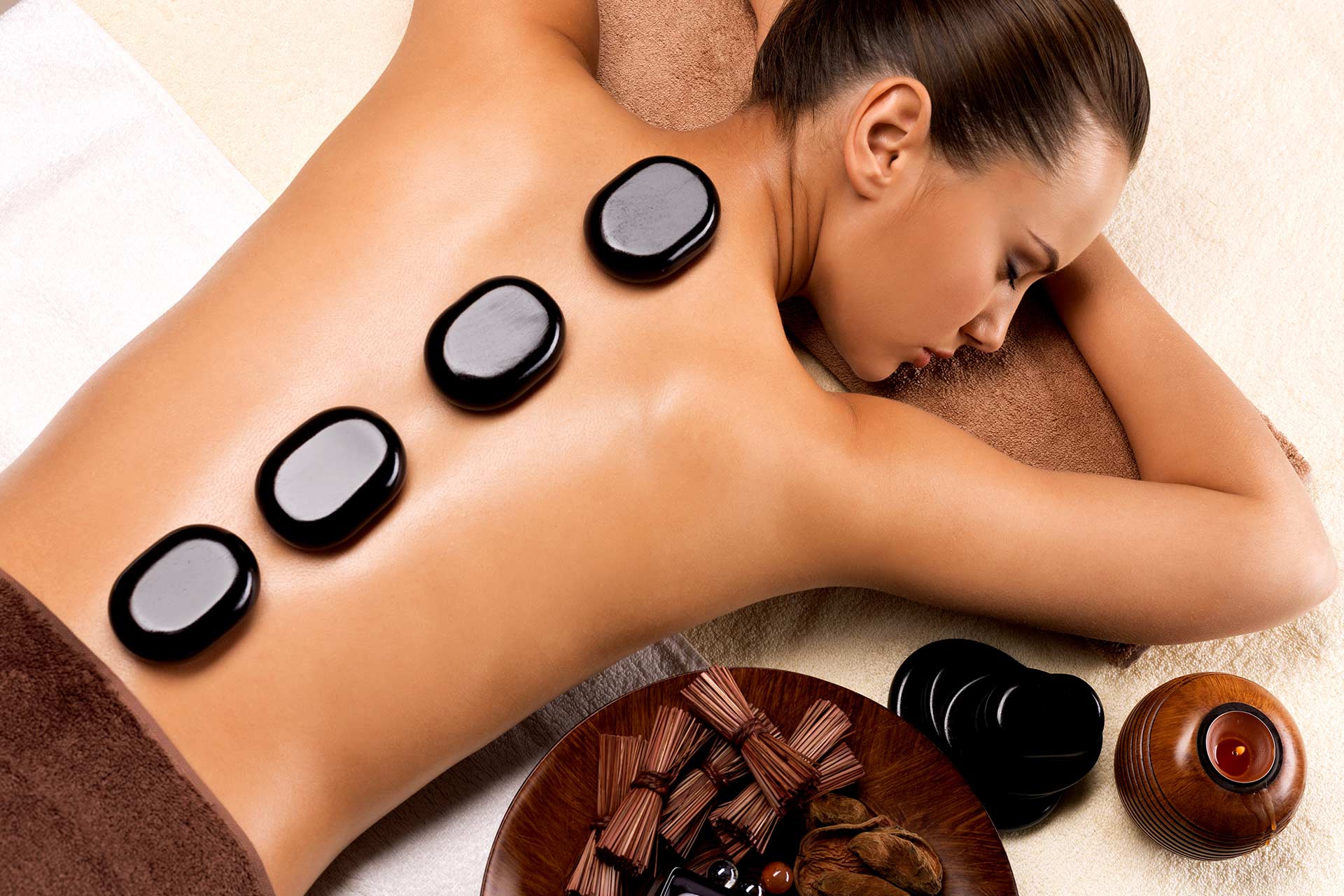
Long days leave your shoulders tight and your mind noisy. Shiny Spa hears this from guests who want one calm hour that actually helps. A well-run aromatherapy massage pairs slow, steady strokes with plant oils that calm and soothe. That’s why so many people now search for an essential oil massage near me after a stressful week.
Maybe you have tried a quick shoulder rub at a mall kiosk. Often, that eases tension for ten minutes and then fades. A longer aromatherapy body massage gives your nervous system time to settle. For many guests, that brings real stress relief and a lighter mood by evening.
This guide covers what to expect, from oil blends to booking tips. Next, you will see how a session runs and how to judge a spa. If you want full body relaxation without guesswork, start here. Because every guest is different, we share simple questions to ask before you lie down.
Why essential oils appeal to busy people
Most guests arrive carrying stress they cannot name. A therapist blends a carrier oil, such as sweet almond or jojoba, with a few drops of lavender, orange, or eucalyptus. Then the therapist works the blend into your skin with long, flowing strokes. This style of aromatherapy massage suits anyone who wants a relaxation massage rather than deep sports work.
Does science support essential oil massage for stress relief? A 2020 meta-analysis in the Journal of Affective Disorders pooled 32 trials. It found that inhalation and massage aromatherapy lowered anxiety scores.
Even so, the evidence is mixed. A 2019 review in the journal Medicine studied three palliative care trials and found no clear anxiety gain over plain massage. Meanwhile, a British Journal of General Practice review (2000) called the calming effect mild and short-lived. So we treat aromatherapy oils as a pleasant boost to skilled touch, not a cure.
The name itself dates to the 1930s. French chemist René-Maurice Gattefossé coined the term aromathérapie, and spas in Europe, North America, and Australasia later adopted the practice. Today, a treatment menu in the UK, Canada, or Ireland often lists an aromatherapy body massage beside Swedish and deep tissue options. Because of that, finding a local therapist is easier than it was a decade ago.
Locals pick this treatment for simple reasons. It needs no gym fitness, no special clothing, and no long wait for results. Besides, a relaxing spa treatment near you fits easily into a lunch break or a weekend morning. For many guests, the scent alone signals that the day can slow down.
Popular blends and treatment styles compared
Different aromatherapy oils suit different moods. Lavender leans calm, sweet orange feels bright, and eucalyptus opens the breath. Peppermint adds a cool tingle that some guests love and others find too strong. Chamomile sits at the gentle end, which helps if your skin reacts easily.
Style matters as much as scent. A Swedish-based flow uses light to medium pressure and suits first-timers. If you carry stubborn knots, ask for firmer pressure and a lighter scent. In a full body massage, most therapists cover the back, legs, arms, neck, and scalp.
Dilution matters too. Safe blends keep essential oils at a low share of the carrier oil, often one to three percent for adult body work. That keeps the scent soft and the relaxation massage free of skin irritation. Because of that, a good therapist measures oils instead of pouring freely.
Every spa treatment has trade-offs. The upside is calm, comfort, and a gentle sense of care. The downside is that strong scents can bother people with asthma, migraines, or fragrance allergies. If you are pregnant or live with a health condition, check with your doctor first, since some oils carry pregnancy warnings.
Use this quick guide to five common aromatherapy oils and the moods they suit.
| Blend | Feel | Best for | Pressure |
| Lavender | Calm, floral | Winding down | Light to medium |
| Sweet orange | Bright, citrus | Low-energy days | Light to medium |
| Eucalyptus | Fresh, clear | Tired, stuffy days | Medium |
| Peppermint | Cool, sharp | Heavy legs and neck | Medium to firm |
| Chamomile | Soft, sweet | Sensitive skin | Light |
What happens during your session
Your visit starts before you reach the table. First, a therapist asks about your health, allergies, and scent likes and dislikes. Next, you pick a blend, often after a quick sniff test. This short chat shapes your whole aromatherapy massage, so answer it openly.
Once you lie under a towel, the therapist warms the oil in their hands. Strokes begin slowly along the back and shoulders to start body relaxation. After that, the legs, arms, and neck follow, and some sessions finish with a gentle scalp massage.
The room sets the mood as much as the oil does. Soft light, warm towels, and quiet music help your breathing slow during a relaxation massage. If the room feels cold, tell your therapist right away. Small comforts like these turn an hour on the table into real rest.
How long should you set aside for an essential oil massage? Plan on 60 to 90 minutes. Therapists often end with a glass of water and a quiet rest. Afterwards, take it slowly for the rest of the day.
For example, think of a nurse who works night shifts and struggles to switch off. She tells her therapist that sleep feels hard. Together they choose lavender, light pressure, and no scalp work that day. She leaves calm, and the relaxation massage becomes a monthly habit.
Cost factors that shape your booking
Prices vary by city and spa, so we keep numbers out of this guide. What matters is knowing which choices move the total up or down. Once you see those, comparing a full body massage across spas gets simpler.
What changes the final bill
Session length comes first, because a longer visit costs more than a quick back-and-shoulders treatment. Next, the oils matter, since pure aromatherapy oils cost more than diluted fragrance blends. Therapist experience and spa location play a part too.
Add-ons such as hot stones, scalp work, or foot care raise the total for any essential oil massage. Central city spas often charge more because of rent, while suburban ones may cost less. Besides, peak evening slots can carry a higher rate than weekday mornings.
Smart ways to plan your visit
Weekday daytime slots often cost less and feel quieter. Ask whether packages or loyalty cards apply. Compare what each spa includes, such as towels, tea, and shower access. Finally, book the length that fits your goal for body relaxation.
Is a longer visit always better? Not for everyone. A first-timer often does well with 60 minutes, and a second visit can run longer once you know your taste. Start small, and add time only if the scent and pressure feel right for your first aromatherapy body massage.
Gift vouchers make a gentle first step. A friend or partner can choose the blend with you, which keeps the visit relaxed. Check the expiry date and the treatment list before you buy. A voucher for a full body essential oil massage works best when you can pick your own time.
How to choose a spa near you
Start with licensing, since rules for a spa treatment differ by country. Most US states regulate massage therapists, and some Canadian provinces, such as Ontario and British Columbia, register them. The UK uses a voluntary register run by the Complementary and Natural Healthcare Council. Whatever your location, ask to see current credentials before you book.
Specialists often hold an edge over a general clinic or a national chain. Local spas like Shiny Spa that focus on oil-based treatments tend to stock a wider range of pure oils. Staff at such a spa usually run a patch test or allergy check and know which blends to avoid for certain conditions. A general provider may treat scent as a small add-on and train staff less on it.
A licensed massage therapist in your area would likely tell you that a short health chat before the session is a good sign. Reviews of a relaxation massage help too. Look for comments about clean rooms, clear communication, and a calm mood. Skip any spa that promises to cure illness, because no oil does that.
Before you book an aromatherapy body massage, bring these questions:
- Which oils do you use, and are they pure or mixed with fragrance?
- Do you run a patch test or allergy check?
- Can I choose the pressure and the scent?
- Are your therapists licensed or registered?
- What is your cancellation policy?
Finally, trust your senses on arrival. Clean linen, fresh towels, and a well-aired room all signal careful habits. If the scent feels too strong at the door, say so early. A good team adjusts quickly and never makes you feel awkward for asking.
Convenience counts too. A spa within a short drive is easier to visit often, and regular visits build lasting calm. Check parking, opening hours, and online booking before you commit. If you search for an aromatherapy body massage near me, add a late opening time to your filter.
Frequently asked questions
How much does an aromatherapy massage near me cost?
Costs depend on session length, oil quality, therapist experience, and spa location. Most spas share their rates online or by phone. Ask what each booking includes, such as extra time, add-ons, or tea, so you can compare options fairly before you commit.
Are packages or memberships cheaper at spas near you?
Many spas offer multi-visit packages or memberships that lower the cost of each visit. Weekday slots may cost less too. Compare the terms, expiry dates, and cancellation rules first. A deal only helps if you will use every session, so choose a plan that fits your real routine.
What licences should a spa near you hold?
Rules differ by country, state, and city. A therapist may need a licence or registration, and a spa may need a business or premises permit. Check your local authority’s website, then ask the spa to show current credentials and insurance before you book.
Is essential oil massage near me safe during pregnancy?
Some oils carry warnings in pregnancy, and some positions need changes. Speak with your doctor or midwife first. Then tell the therapist how far along you are, so they can pick gentle oils and safe positioning for you. Skip the treatment if your doctor advises against it.
Do hot or cold seasons in your area change how long the benefits last?
Climate can change how your skin feels afterward. Cold, dry air may leave skin thirsty, so moisturise and drink water. Heat can make scents feel stronger, so a therapist may lighten the blend. The calm feeling lasts a day or two for many people, though it varies.