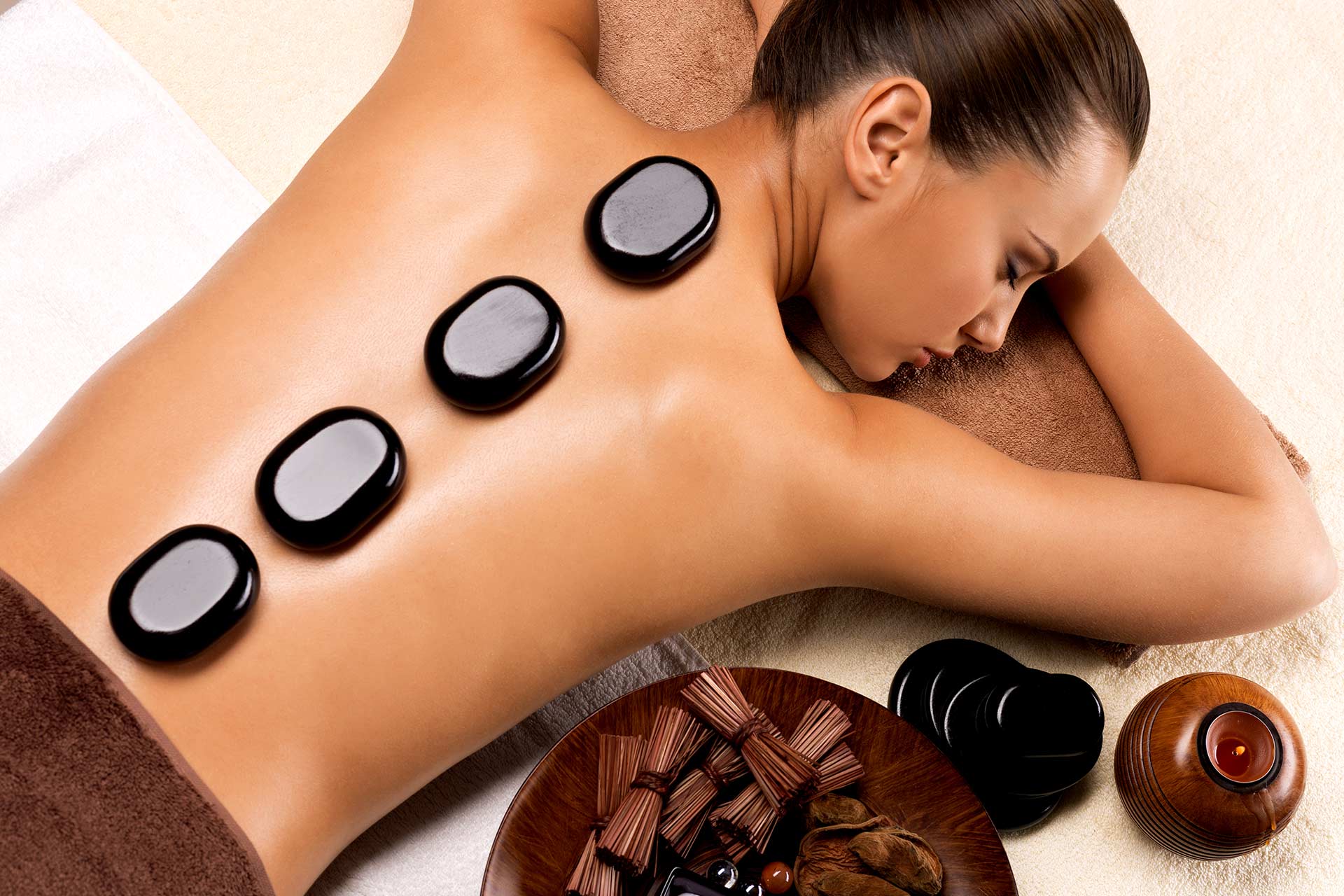
Long days leave your shoulders tight and your mind busy. At Shiny Spa, we see the same pattern every week: people walk in wound up and walk out breathing slowly. Professional spa treatments give your body a reason to switch off, and your thoughts follow.
Do you wonder if a spa visit is worth your time? Many people do, and the evidence says it often is. Touch, warmth, and quiet tell your nervous system that it is safe to rest, which brings real stress relief. Because of that, even a short session can change how the rest of your day feels.
Next, we look at the science behind relaxation massage and the other main treatment types. After that, we walk through a typical session, what shapes the cost, and how to choose a provider. Finally, we answer the questions we hear most often.
How stress relief works in the body
Think about the last time you sat at a desk for eight hours. Your neck stiffens, your jaw tightens, and your thoughts keep racing. That tension is your body on alert, and spa treatments work by turning the alert down. Because slow, steady touch signals safety, your heart rate and breathing settle quickly.
According to a 2004 Psychological Bulletin review by Moyer and colleagues, a single massage session lowered anxiety, blood pressure, and heart rate across the studies they examined. Likewise, a 2010 study by Rapaport and colleagues in the Journal of Alternative and Complementary Medicine linked one Swedish massage to lower cortisol, the body’s main stress hormone. Those findings match what therapists see in the treatment room every day. In short, a relaxation massage does more than feel nice.
Consider an office worker who books a 60-minute aromatherapy massage after a hard project deadline. Within 15 minutes, her breathing slows. By the end, her shoulders feel lighter and her head feels clearer. Better yet, she sleeps well that night.
Sleep often improves too. Once your muscles let go, your mind follows, and falling asleep feels easier. Many people notice this after a hot stone massage or an evening facial, and they book regular sessions to keep the habit.
Spa therapy suits more than stressed professionals. Students, new parents, and athletes book sessions as part of a wider wellness routine. Whatever your reason, the aim stays the same: slow down and let your body recover.
Popular massage styles, facials, and body wraps
Menus can look long, so a short guide helps. For example, Swedish massage uses long, gentle strokes and suits first-timers. Then there is hot stone massage, which adds warmth that softens deep muscle knots. Aromatherapy blends essential oils with light pressure, so it suits anyone who wants calm over firmness.
Facials and body wraps work differently. A hydrating facial cleanses, exfoliates, and softens the skin, so it suits people who want to relax and refresh at the same time. A warm body wrap uses clay or seaweed to soothe muscles and smooth the skin.
Pros and cons depend on you. Hot stone work feels deeply soothing, but people with heat sensitivity or certain heart conditions should skip it. Facials suit most skin types, though sensitive skin may react to strong oils.
Climate matters too. In cold, dry places such as Canada or Ireland, hydrating facials and warm wraps feel especially welcome in winter. In humid places such as parts of Australia or South Africa, lighter oils and cooling treatments feel more comfortable.
| Treatment | Best for | Typical length | Pressure | Aftercare |
| Swedish massage | First-timers, general tension | 60 min | Light to medium | Drink water |
| Hot stone massage | Deep knots, cold climates | 75 min | Medium | Rest, avoid heat |
| Aromatherapy massage | Stress, poor sleep | 60 min | Light | Keep the evening calm |
| Hydrating facial | Dry, tired skin | 45 min | Very light | Skip harsh products |
| Warm body wrap | Sore muscles, dull skin | 60 min | None | Moisturise |
What happens during a session, step by step
Your first visit starts before you reach the treatment room. At check-in, the therapist asks about your health, past injuries, and the kind of relaxation massage you prefer. Then you pick your pressure level and mention any scents you dislike.
Next, you undress to your comfort level and lie under a warm towel. The therapist leaves the room as you settle in and knocks before returning. Good spa treatments always protect your privacy and comfort. Soft music and dim light help your body relax.
After that, the hands-on work begins. A full-body massage often starts with the back, then moves to the legs, arms, neck, and scalp. Throughout, the therapist checks in, so speak up if you want more or less pressure. In fact, honest feedback gives you a better result.
Different treatments follow different steps. A facial begins with a gentle cleanse, then moves to exfoliation, a mask, and a short face and shoulder massage. A body wrap starts with a light scrub, then the therapist applies the wrap and you rest under warm blankets for about 20 minutes.
Once the treatment ends, you get a few quiet minutes. Many spas offer herbal tea and a relaxation lounge for this reason. Drink water, move slowly, and skip heavy meals or alcohol for a few hours. Likewise, save hard exercise for the next day.
Costs, credentials, and picking a provider
What moves the final bill
Several things push the final bill up or down. Treatment type matters first, because a hot stone massage needs stones, oils, and extra time. Session length comes next, since a 90-minute appointment naturally costs more than a 45-minute one. Therapist experience and the spa’s setting then shape the rate.
Add-ons such as aromatherapy oils or scalp work raise the total too. Weekend and evening slots often cost more than weekday mornings. Better yet, packages and memberships usually lower the cost of each visit. Ask each spa what a session includes before you compare rates.
How to vet who you book
Start with credentials. In the United States, nearly every state requires massage therapists to hold a licence. In Ontario, Canada, registered massage therapists answer to the College of Massage Therapists of Ontario, and in the United Kingdom many therapists join the Complementary and Natural Healthcare Council register. Ask to see proof, because a licensed massage therapist will gladly show it.
Next, compare a specialist with a general provider. A spa such as Shiny Spa works on relaxation and body care every day, so its therapists repeat the same techniques often and learn how to adjust them to each guest. A specialist usually carries insurance written for massage work too. A salon that adds massage to a long menu of other services spreads its training thinner.
A licensed massage therapist in Australia would tell you to ask about training in the exact treatment you want. Does the spa explain its process before you book? Do the staff ask about your health? Small signs like these say a lot.
Finally, read recent reviews and check how the spa cleans its rooms and towels. Clean spaces and clear answers usually signal a provider who takes relaxation seriously.
FAQs
How much do spa treatments near me usually cost?
Cost depends on the treatment type, session length, therapist experience, and location. Facials and short massages usually sit at the lower end, but hot stone work and longer sessions cost more. Call two or three local spas, ask for their menus, and compare what each session includes.
Do massage therapists need a licence in the United States, Canada, or the UK?
In most US states, yes. Ontario requires registration with its College of Massage Therapists, and UK therapists can join the voluntary CNHC register. Rules differ by country and region, so check your local regulator before you book, and ask the spa to show current credentials.
Can a membership lower the cost of relaxation massage in the UK?
Often, yes. Memberships and multi-visit packages usually reduce the cost of each session, and some employers offer wellness allowances. Compare the terms first, such as cancellation rules and expiry dates, so the plan fits how often you really visit the spa.
How long do the calming effects last during cold winters in Canada?
Most people feel relaxed for one to three days. Cold, dry winters can tighten muscles again quickly, so regular sessions every two to four weeks help you keep the benefit. Warm baths, gentle stretching, and good hydration extend the calm between visits.
What should I do before my first spa visit?
Arrive ten minutes early and tell the therapist about injuries, allergies, and medicines. Skip a heavy meal beforehand, drink water, and wear comfortable clothes. Speak up during the session about pressure or temperature, since a good therapist always wants that feedback.
Conclusion
Professional spa therapy gives your body and mind a real break. Massage, aromatherapy, facials, and wraps each lower tension in their own way, and research backs the calming effect. Match the treatment to your needs, check your therapist’s credentials, and start with a shorter session if you feel unsure.