Long days at a desk, a stiff neck, and a mind that never switches off: does that sound familiar? Many people book a full body massage when ordinary rest stops working. At Shiny Spa, we see this every week, and we know how much one calm hour can change a hard week. So in this guide, we explain how a session works, which styles suit you, and how to pick a good therapist.
First, we look at why people book massage therapy and what the research says. Next, we compare popular styles, from Swedish massage to deep tissue work. After that, we walk through a session, the factors that shape cost, and the signs of a skilled therapist. Whether you want relief for tight shoulders or an hour of quiet, you will find a clear answer here.
Why people book relaxation massage and what it does
Most of us carry tension without noticing it. Desk work tightens the neck, driving strains the lower back, and stress keeps the jaw clenched. A relaxation massage works on all of these areas in one visit. That is why many people choose a spa massage over a short, targeted treatment.
Research supports the habit. A 2004 meta-analysis of 37 studies by Moyer, Rounds and Hannum, published in Psychological Bulletin, found that massage therapy lowered anxiety and depression scores. Because muscles relax, many clients report easier sleep. Even so, results vary from person to person.
Back pain offers a second example. In a 2011 trial in the Annals of Internal Medicine, Cherkin and colleagues followed 401 adults with chronic low back pain. After ten weeks, the groups that received massage reported better function and fewer bothersome symptoms than those on usual care. A full body massage reaches the hips and legs too, and these areas often carry extra load when the back hurts.
As one licensed massage therapist puts it, regular sessions help clients spot tension early, before it grows into pain. That advice fits busy people well. So instead of waiting for a knot to flare, you can book a relaxing massage for stress relief on a schedule that suits you.
Swedish, deep tissue and other styles compared
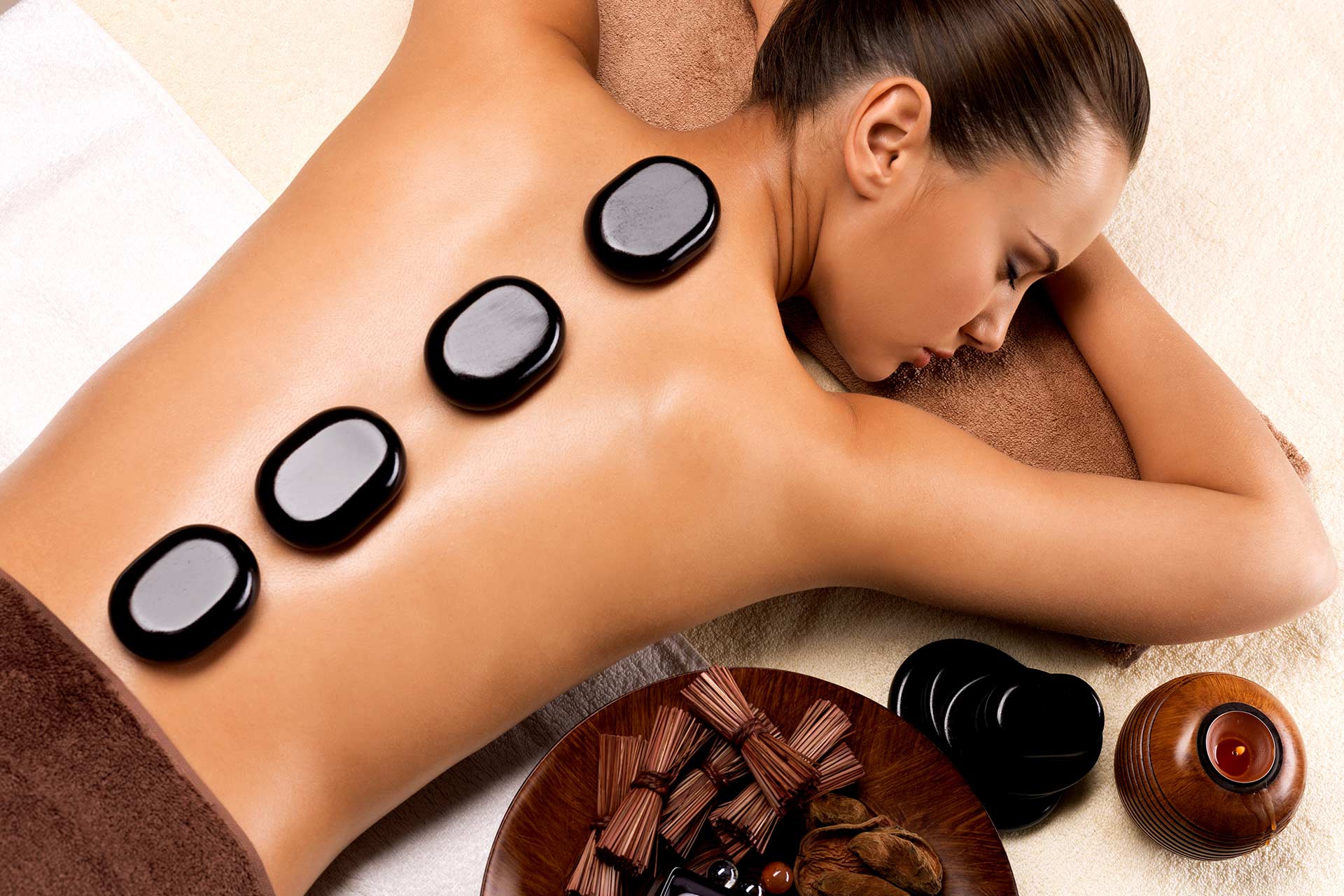
Styles differ more than most first-time clients expect. Swedish massage uses long, gliding strokes with light to medium pressure. Deep tissue massage moves more slowly and presses firmer into tight layers of muscle. Hot stone and aromatherapy sessions add warmth or scent to a gentler base routine.
Which one fits you? Think about your goal first. If you want to unwind, choose a soft, flowing option from the spa massage menu. If you carry long-term knots, deep work will serve you better.
Take a typical case. A project manager with tight shoulders books Swedish massage and finds the pressure too light. On her next visit, she asks for firmer work on her upper back and leaves feeling the difference. A simple chat with the therapist made the change, so speak up early.
Climate matters too. In cold months, hot stone work warms stiff muscles quickly. In humid weather, lighter oils and cooler rooms feel better. Some guests search for a couples spa massage near me when they want a shared visit.
This table shows how the main massage styles compare.
| Style | Pressure | Best for | Feels like |
| Swedish | Light to medium | First visits, stress relief | Smooth, flowing strokes |
| Deep tissue | Firm | Tight shoulders, chronic knots | Slow, focused pressure |
| Hot stone | Medium | Cold months, stiff muscles | Deep, even warmth |
| Aromatherapy | Light to medium | Mood and sleep | Calm, scented oil work |
| Thai-style | Medium to firm | Flexibility, stretching | Assisted stretches |
What happens during your session, step by step
Nerves are normal before a first visit. Knowing the routine takes the guesswork away. A standard full body massage covers the back, legs, arms, neck, shoulders, and often the feet, with the therapist draping you for privacy.
Here is how a typical spa massage runs:
- Check-in: You fill in a short health form and mention any pain, injuries, or allergies.
- Consultation: Your therapist asks about pressure, problem areas, and goals.
- Settling in: You undress to your comfort level and lie under a sheet while the therapist steps out.
- Treatment: The work moves from back to legs, arms, neck, and shoulders at an agreed pressure.
- Aftercare: You rest, sip water, and get simple stretching advice.
What if the pressure feels wrong? Say so right away. Good therapists want that feedback, and most adjust within seconds. For first-time spa massage tips, arrive ten minutes early, skip a heavy meal, and wear loose clothes.
Cost factors that shape your final bill
Why does one session cost more than another? Mostly it comes down to a few clear factors. Rather than quote a figure, we break down what moves the bill up or down. With that in mind, you can compare menus fairly when you search for a massage therapist near me.
Time, therapist skill and style
Session length comes first. A longer slot gives the therapist time to cover every area without rushing, so it usually costs more than a short one. Therapist experience counts too, since senior therapists with advanced training often charge more. Style plays a part, because deep tissue massage takes more effort and training than a basic routine.
Add-ons, timing and booking style
Extras such as hot stones, scalp work, or aromatherapy oils raise the total. Peak slots, like Saturday afternoons, often cost more than quiet weekday mornings. On the other hand, packages and memberships can lower the rate per visit if you plan to return. Before you book a spa massage, ask the front desk for a clear list of what each option includes.
How to choose a skilled therapist near you
Good providers share a few clear traits. Start with credentials. In the United States, most states license massage therapists, and in the United Kingdom many therapists join the Complementary and Natural Healthcare Council register. Rules differ elsewhere, so check your own region’s health authority for current requirements.
Next, weigh specialists against generalists. A spa that focuses on massage every day, like Shiny Spa, tends to have set hygiene routines, clear intake forms, and therapists used to adjusting pressure for injuries or sensitive skin. A general salon that offers massage as a side service may not. Plus, a quick look at deep tissue massage near me results shows which spas list their therapists’ training openly.
Before you book a massage near me, ask these questions:
- Are your therapists licensed or registered?
- How do you clean the room and linens between clients?
- Can I change the pressure during the session?
- What is your cancellation policy?
Finally, trust your own comfort. A good therapist listens, explains each step, and never rushes you. If anything feels off, you can end the session at any time. Choosing well turns a spa massage into a habit worth keeping.
FAQs
How long should a full body massage last?
Most sessions run 60 to 90 minutes. An hour covers the back, legs, arms, neck, and shoulders at a steady pace. A longer slot suits deep work or heavy tension. Pick the length that matches your goals and how much you can relax in one sitting.
How much does a spa massage near me usually cost?
Price depends on session length, therapist experience, style, and add-ons such as hot stones or aromatherapy. Peak hours often cost more than weekday mornings. Check the spa’s menu or call ahead, and ask whether packages or memberships lower the per-visit rate.
Are there ways to lower the cost of a massage near me?
Weekday daytime slots often cost less than evenings or weekends. A shorter session aimed at problem areas costs less than a long one. Packages and memberships spread the cost across several visits, so ask the front desk what options exist.
Do massage therapists need a licence or permit in my area?
Rules vary by country, state, and city. Many regions require therapists to hold a licence or registration, and spas often need a business permit and must meet hygiene rules. Ask to see credentials, and check your local health authority’s website for current requirements.
How do the effects of massage hold up in cold or humid weather where I live?
Cold weather tightens muscles, so relief may fade sooner in winter. Keep warm after your session and drink water. In humid heat, lighter oils feel more comfortable. Most people notice benefits for several days, and regular visits help them last longer.
Conclusion
Now you know how a session works, which style fits your needs, and what to check before you book. Your next step is simple: write down your goals, pick a style, and ask a few questions about credentials and hygiene. If you want a calm place to start, reach out to Shiny Spa and ask how a spa massage could fit your schedule and comfort level. Take your time, ask anything, and choose the option that feels right for you.