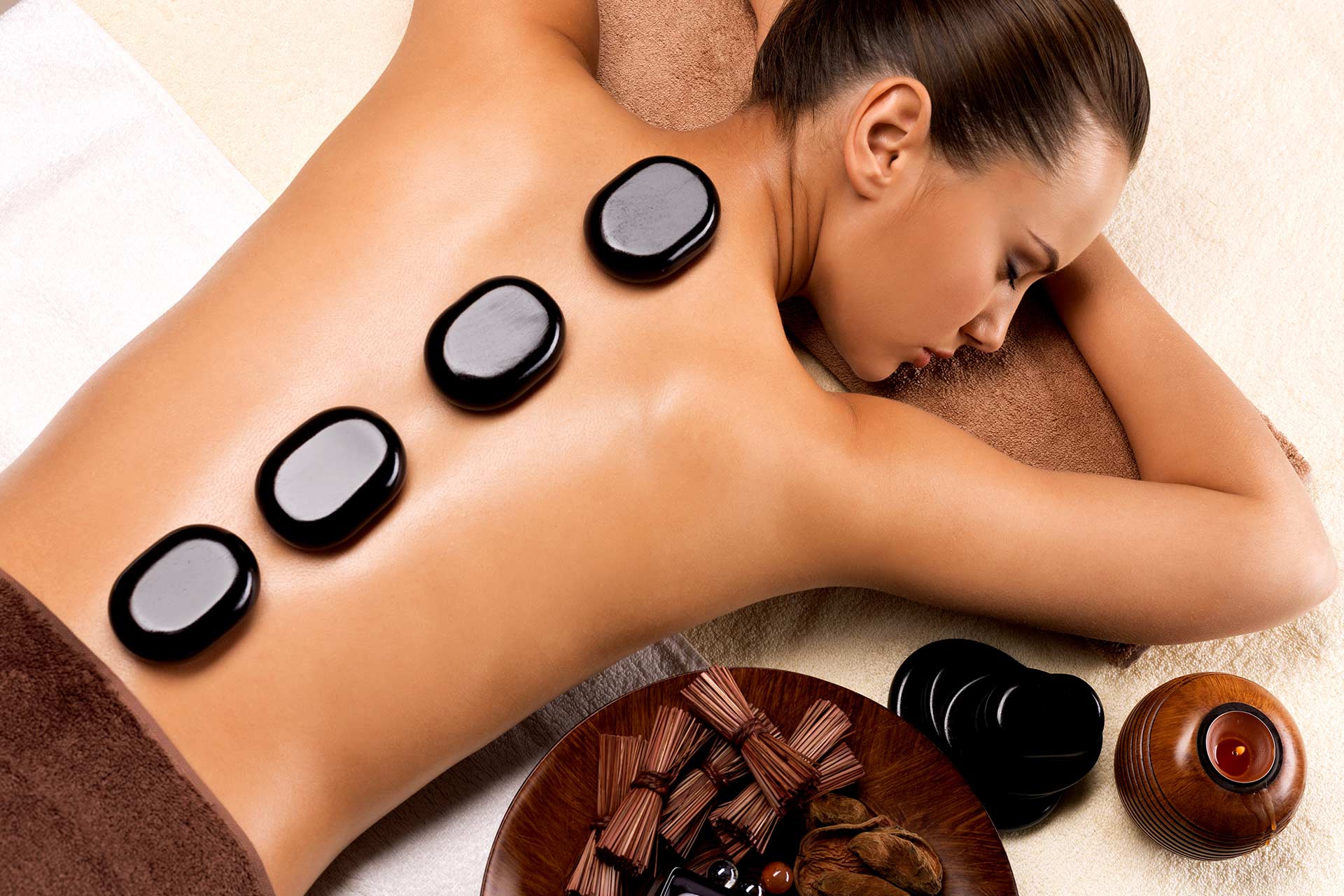
Life in Dubai moves fast, and your body carries the weight of it. At Shiny Spa, we see clients walk in every week with tight shoulders, aching backs, and minds that never fully switch off. Arabic massage in Dubai has become one of the most requested treatments for exactly this reason. It blends warm oils, rhythmic kneading, and techniques passed down through generations of Middle Eastern healing traditions. The result is a treatment that feels indulgent but works on a real, physical level to loosen muscles and calm the nervous system.
So what makes this style different from a standard spa massage? And why do so many residents and visitors in Dubai keep coming back to it?
What Arabic Massage Is and Why Dubai Residents Choose It
Arabic massage draws from centuries-old Hammam bathing rituals combined with hands-on techniques found across the Levant and Gulf region. Warm oils, often infused with argan, black seed, or rose, are worked into the skin using long, sweeping strokes mixed with firmer kneading over the shoulders, back, and legs.
Unlike a purely relaxation-focused Swedish massage, Arabic massage applies more direct pressure to muscle groups that carry chronic tension. Office workers who sit for long hours, fitness enthusiasts recovering from training, and travelers dealing with jet lag all find something useful in this approach.
Dubai’s climate plays a role too. Heat and humidity can leave muscles feeling stiff and dehydrated, and the warm-oil technique helps restore circulation while calming an overworked mind. Have you ever noticed how your shoulders creep up toward your ears after a long day in traffic or back-to-back meetings? That is exactly the kind of tension this treatment targets.
Techniques and Options: Comparing Your Choices
Not every Arabic massage session looks the same. Spas across Dubai offer variations that lean more toward relaxation or more toward deep muscle work, and picking the right one depends on what your body actually needs.
| Technique | Avg. Session Length | Pressure Level | Best For |
| Traditional Hammam-style Arabic massage | 60–90 min | Medium | General stress relief and skin renewal |
| Deep tissue Arabic massage | 60 min | Firm | Chronic back and shoulder tension |
| Hot stone Arabic massage | 75–90 min | Medium-firm | Muscle stiffness and poor circulation |
| Aromatherapy Arabic massage | 60 min | Light-medium | Anxiety, sleep issues, mental fatigue |
Traditional Hammam-style sessions usually start with a steam or scrub phase before the massage begins, which opens the pores and allows oils to absorb more effectively. Deep tissue versions skip the steam and go straight into targeted pressure on problem areas like the lower back and neck. Hot stone variations use heated basalt stones alongside hand techniques to reach deeper muscle layers without excessive force. Aromatherapy-based sessions favor lighter pressure and rely more on scent and warmth to lower stress hormones.
How a Typical Session Unfolds
Walking into your first Arabic massage session can feel unfamiliar if you have only tried Western-style spa treatments before. Here is what usually happens, step by step.
You will start with a short consultation where the therapist asks about problem areas, injuries, or pressure preferences. Many Dubai spas, including Shiny Spa, offer this as a standard part of the intake process rather than an add-on. From there, the room is dimmed, warm towels or a brief steam session prepare the muscles, and the therapist applies oil across the back, shoulders, arms, and legs using broad strokes.
As the session moves into the working phase, pressure builds gradually over tight areas rather than jumping straight to firm kneading. This gradual build matters because muscles that are cold or tense can resist deep pressure and cause discomfort rather than relief. Sessions typically close with lighter, soothing strokes to bring the nervous system back down before you leave the table.
Why It Actually Relieves Stress and Muscle Tension
The physical mechanics behind this relief are well documented. According to a 2022 review published in the International Journal of Preventive Medicine, massage therapy measurably reduces cortisol levels while increasing serotonin and dopamine, which explains why clients often report feeling both physically looser and mentally clearer after a session. A separate study from the American Massage Therapy Association (2021) found that regular massage sessions reduced reported muscle soreness by a significant margin among adults with sedentary jobs.
Dr. Amina Farouk, a licensed physiotherapist based in Dubai, explains it this way: sustained pressure combined with heat increases blood flow to tight muscle fibers, which helps flush out the metabolic waste that builds up during prolonged sitting or physical strain. That combination of heat, pressure, and rhythm is exactly what separates Arabic massage from a quick shoulder rub.
Consider a common scenario. A finance professional working long hours in Business Bay develops constant tension across the upper back and neck. After three sessions of deep tissue Arabic massage over a month, she reports noticeably better sleep and far less tightness by the end of her workday. This kind of gradual, session-by-session improvement is typical rather than a one-time fix.
Choosing the Right Spa or Therapist in Dubai
Cost varies depending on the spa, the technique, and session length. A standard 60-minute Arabic massage in Dubai generally falls between AED 250 and AED 450, while extended 90-minute sessions with hot stone or steam add-ons can run higher. Location matters too, with spas in tourist-heavy areas like Downtown or Marina often pricing above neighborhood spas in residential communities.
All spas operating in Dubai must hold a valid license through the Dubai Health Authority, and licensed therapists carry individual practicing certificates. This is worth confirming before booking, since it protects you from unregulated operators offering treatments without proper training. A specialist spa that focuses specifically on Arabic and Hammam-style treatments, like Shiny Spa, will typically have therapists trained specifically in these techniques rather than general-purpose staff trained across dozens of unrelated modalities. That kind of focused training tends to show up in how precisely pressure is applied and how well the therapist reads your body’s response during the session.
What should you actually ask before booking? Confirm the therapist’s specific training in Arabic or Hammam techniques, ask whether oils used are suited to sensitive skin, and check if the spa allows you to request firmer or lighter pressure mid-session.
If your shoulders have been carrying the week’s stress and you want a treatment built specifically around muscle relief rather than a generic rubdown, Shiny Spa offers Arabic massage sessions tailored to your pressure preference and problem areas. You can book a session and mention any specific tension points beforehand so the therapist can plan the session around your needs.
Frequently Asked Questions
What is the difference between Arabic massage and a regular Swedish massage?
Arabic massage uses firmer, more targeted pressure and often incorporates warm oils and steam preparation, while Swedish massage focuses on lighter, relaxation-based strokes across the whole body.
How much does an Arabic massage in Dubai typically cost?
Prices generally range from AED 250 to AED 450 for a 60-minute session, with 90-minute sessions or add-ons like hot stones costing more depending on the spa.
Is Arabic massage suitable for people with chronic back pain?
Deep tissue Arabic massage can help with chronic tension, but anyone with a diagnosed spine condition should check with a doctor first and inform the therapist before the session begins.
Do Dubai spas need a license to offer Arabic massage?
Yes, spas must be licensed through the Dubai Health Authority, and individual therapists are required to hold valid practicing certificates.
How often should I get an Arabic massage for stress relief?
Many clients see the best results with a session every two to three weeks, though weekly sessions can help during particularly stressful periods.
Can Arabic massage help with poor sleep?
Yes, the combination of pressure and warmth lowers cortisol and supports the release of serotonin, which many clients find improves sleep quality within a few sessions.
What oils are commonly used in Arabic massage in Dubai?
Argan oil, black seed oil, and rose-infused oils are common choices, selected for their soothing properties and suitability for Dubai’s dry indoor climate.
Is Arabic massage safe during Dubai’s hot summer months?
Yes, sessions are performed indoors in climate-controlled rooms, and the warm-oil technique is designed to work well regardless of outdoor temperature.
What should I wear or expect during my first session?
Most spas provide disposable undergarments and drape you with towels throughout the session, exposing only the area being worked on at any time.
Does Arabic massage help with tension from sitting at a desk all day?
Yes, deep tissue variations specifically target the neck, shoulders, and lower back, which are the most common problem areas for desk-based work.
Are there any local regulations I should know about before booking a spa?
Always confirm the spa holds a current Dubai Health Authority license, since this ensures therapists are properly trained and hygiene standards are enforced.
How long does it take to feel results from Arabic massage?
Some relief is noticeable immediately after a single session, but lasting changes in chronic tension usually build over three to four sessions spaced a few weeks apart.