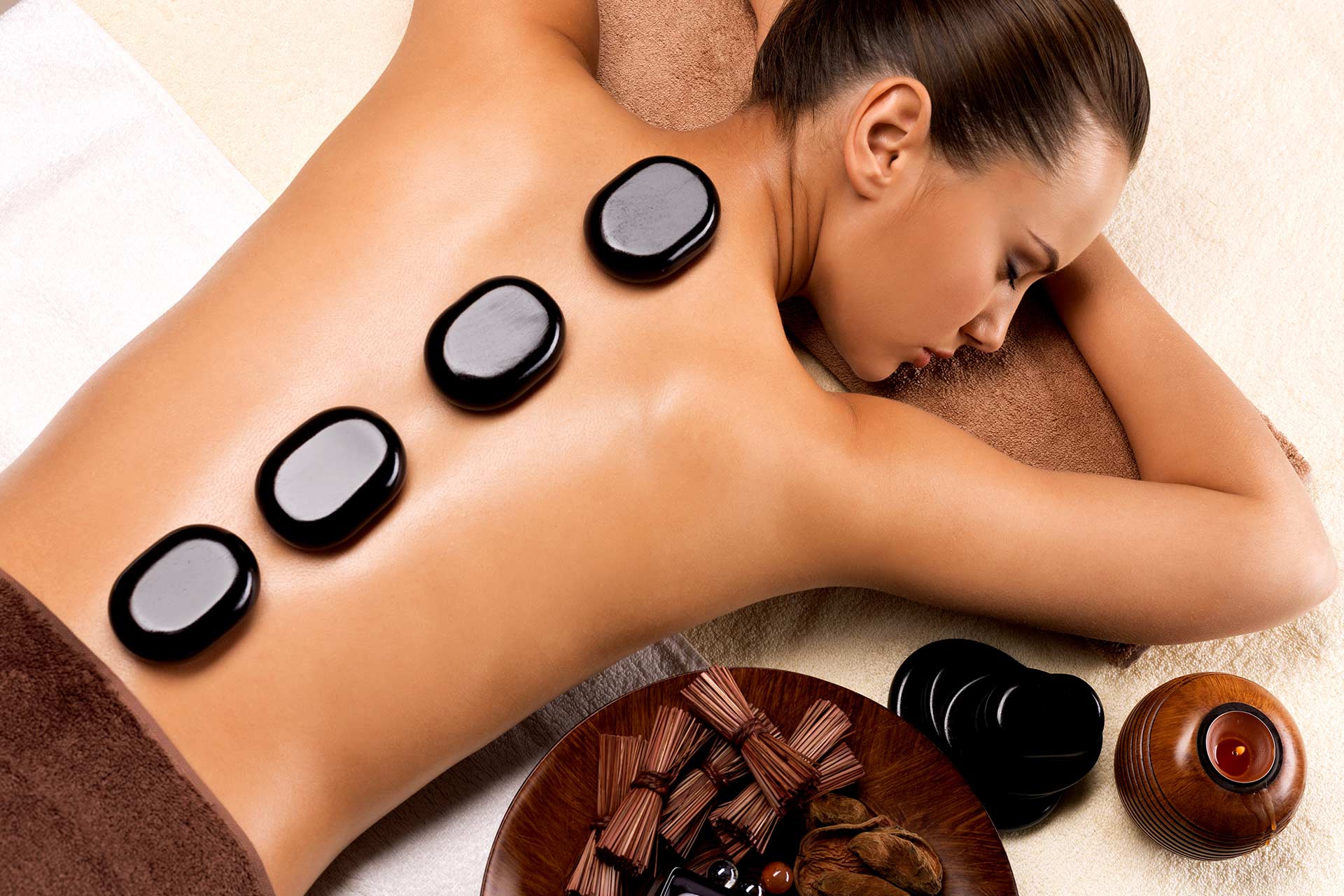
Long days at a desk leave your neck stiff and your mind busy. Because of that, more people now book a professional home massage instead of travelling across town. At Shiny Spa, we see how much easier it is to relax when the therapist arrives at your door. This guide covers the real benefits, the styles you can choose, and how to pick a provider you can rely on.
Is it really worth the switch? For most people, yes. Research supports the basics, and the convenience adds up fast. Next, we walk through a typical visit, the factors behind your final bill, and the questions to ask first. By the end, you will know what a good home massage looks like.
Stress builds slowly. Muscles tighten, sleep suffers, and small aches become daily problems. So a regular home massage works as a simple reset for body and mind.
Why people choose mobile massage therapy
Travel time is the first thing people drop when they switch. There is no parking, no traffic, and no damp hair on the ride home. A therapist who comes to you turns a home massage into a smooth part of your evening. You step from the table straight into your own bed or sofa.
Comfort matters too. Your own space is quiet, warm, and familiar. Because you skip the waiting room, your body stays relaxed from the first minute to the last. That calm helps every home massage session work better.
Research points the same way. A 2014 review by Tiffany Field in Complementary Therapies in Clinical Practice linked massage therapy to lower stress hormones and less pain in several conditions. In 2017, the American College of Physicians listed massage among the non-drug options for acute and subacute low back pain. Those findings suit a regular home massage routine well.
Take a common case. A project manager sits for nine hours a day and wakes with tight shoulders. She books a monthly home massage on Thursday evenings, finishes by seven, and sleeps by ten. Within a few weeks, she reports fewer headaches and deeper sleep.
A licensed massage therapist in Ontario often tells new clients that consistency beats intensity. Short, regular visits calm the nervous system better than one hard session every few months. That advice fits a home massage plan, since booking is easier when nobody has to travel.
Massage styles to match your goals
Not every session feels the same. Some styles soothe, and others target stubborn knots. For example, Swedish massage uses long, flowing strokes that lower tension. Deep tissue work presses slower and firmer into tight layers of muscle, and a home massage can use either one or a blend.
Sports massage suits people who train hard. It focuses on the muscles you use most, like calves, hips, and shoulders. Prenatal massage eases back and hip strain in pregnancy, but only a trained prenatal therapist should offer it. Many home massage clients also like aromatherapy, which adds gentle scent to a relaxing massage after a long workday.
Before you choose, think about your goal. Do you want to sleep better, ease a sore back, or recover after a race? Your answer points to the right style. If you feel unsure, ask your therapist to start with a light session and adjust the pressure as you go. That approach keeps every home massage comfortable.
| Style | Pressure | Best for | Watch out for |
| Swedish | Light to medium | Stress and general tension | May feel too soft for deep knots |
| Deep tissue | Firm | Chronic tightness and posture strain | Soreness the next day |
| Sports | Medium to firm | Training and recovery | Needs a clear goal |
| Prenatal | Light to medium | Back and hip strain in pregnancy | Needs a trained therapist |
| Aromatherapy | Light | Calm and better sleep | Scent allergies |
How a session works, step by step
Preparation takes about ten minutes. First, your therapist arrives with a table, linens, oils, and a small speaker. They set up in a quiet room with space to walk around the table. A home massage in a small flat still works well with a folding table.
Next comes a short chat. Your therapist asks about pain, injuries, medicines, and allergies. They ask about your preferred pressure too. This step keeps your home massage safe and focused on your goals.
Then the hands-on work begins. You lie under a sheet, and the therapist uncovers one area at a time. Most sessions run 60 or 90 minutes, and you can ask for lighter pressure at any point. Good therapists check in often, so speak up freely during your home massage.
After that, the therapist lets you rest. Drink water, move slowly, and skip a heavy meal for an hour. Many clients sleep deeply that night. Book your next home massage when the benefits still feel fresh.
Rules differ by country, so check them before you book. In the UK, look for a therapist on a register such as the Complementary and Natural Healthcare Council. In Ontario, the College of Massage Therapists of Ontario regulates registered massage therapists. Many US states require a licence from the state board, so ask any home massage provider to show their licence or registration.
Cost factors and how to choose a provider
Two questions come up again and again. What shapes the final bill, and how do you pick the right person? Both have clear answers, and they will save you stress before your first home massage.
What shapes your final bill
Session length comes first. A longer visit takes more of your therapist’s time, so it changes the total. These factors move the total most:
- Travel distance to your address
- Evening, weekend, or holiday time slots
- Couples or group bookings that need two therapists
- Add-ons such as hot stones or aromatherapy
- The therapist’s training and specialty
Most providers explain these points before they confirm a home massage. Ask for the full total up front, so nothing surprises you later.
Questions to ask before you book
Now for the choice itself. A provider that works only on massage, like Shiny Spa, is more likely to know the local licensing rules and carry insurance written for massage work. A general wellness chain or a freelance listing may skip those checks. That difference matters when a stranger enters your home for a home massage.
Use these questions on your first call:
- Are you licensed or registered, and can I see proof?
- Do you carry liability insurance?
- How do you handle health history and consent?
- What is your cancellation policy?
- Do you bring the table and linens?
Trust your gut on the phone, too. A clear, calm answer to each question is a good sign for your home massage.
FAQs
How much does a mobile massage therapist cost in your area?
Several factors set the price, including session length, travel distance to your address, time of day, and add-ons like hot stones. Most providers explain their rates before you confirm. Ask for the full total up front, so no extras appear on the day.
Is a home massage service cheaper than visiting a spa?
It depends on what you value. A spa visit skips travel fees, but you pay in time, parking, and commuting. A mobile therapist charges for travel in some areas, yet saves you the trip. Compare the full total, not just the session rate.
Do massage therapists need a licence or registration near me?
Rules differ by country and by state or province. In the UK, look for CNHC registration. In Ontario, therapists register with the CMTO, and many US states require a state licence. Always ask for proof and check it with the regulator before you book.
Does hot or cold weather change a session near me?
Yes, a good therapist adjusts to the season. In winter, they warm the room and the oil. In summer, they use a fan or cooler linens. Tell your therapist if heat or cold bothers you, and they will change the setup.
How often should I book a massage at home?
Most people feel best with a session every two to four weeks. Athletes and people with heavy physical work may book weekly during busy periods. Start monthly, notice how your body responds, then adjust with your therapist’s advice, and skip any visit if you feel unwell.
Conclusion
A good home massage saves you time, calms your body, and fits into a busy week. Start by choosing a style that matches your goal, then check your therapist’s licence and ask about session length and travel. Take your time, and pick a provider who answers every question clearly. When you feel ready, reach out to Shiny Spa to talk through your options. Book a first session at a pace that suits you. Your body will thank you for the steady care.