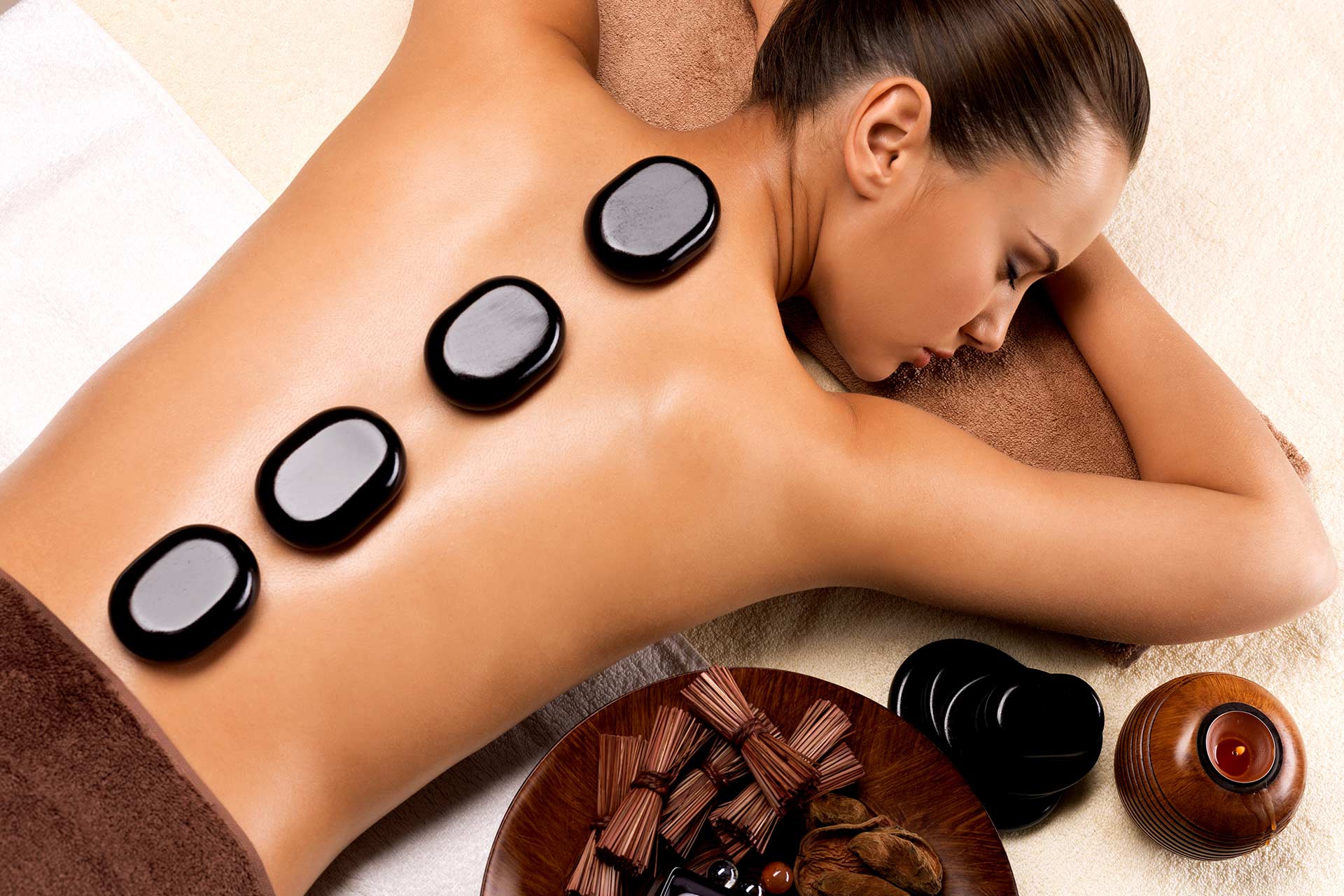
Long work hours and constant traffic on Abu Dhabi’s roads leave a lot of residents carrying tension in their shoulders and neck. A hot stone massage eases that tension by combining heated basalt stones with steady hand pressure, and it ranks among the most requested treatments at wellness centres across the city. Shiny Spa sees this demand firsthand, with clients booking sessions after long shifts, travel, or simply a stressful week. This guide walks you through the treatment, what to expect, and how to choose a spa that gets it right.
What a hot stone massage is and why residents choose it
A hot stone massage places smooth, heated stones along your spine, palms, and feet while a therapist works the muscles underneath with slow strokes. The heat sinks into tight tissue and lets the therapist reach deeper layers without extra pressure. For a lot of Abu Dhabi professionals, this matters because desk work and long commutes tighten the same few muscle groups every day.
According to the American Massage Therapy Association (2025), 30 percent of consumers who booked a massage in the past year cited stress relief as their main reason. A German research team from the University of Konstanz (2020) found that short massage sessions activate the parasympathetic nervous system, the part of the body that slows the heart rate and lowers blood pressure after a stressful day. That research backs up what regular clients already notice: the heat and pressure combination calms the body fast.
Picture a finance analyst who spends nine hours a day at a screen. Her shoulders lock up by Thursday, and a standard massage barely touches the knots near her shoulder blades. A hot stone session, where the warmth softens the muscle before the therapist works it, reaches that tension in a way a cold-hands massage often cannot.
Stone types and treatment styles: pros, cons, and local fit
Not every hot stone treatment uses the same setup, and the stone type changes how the session feels. Basalt holds heat the longest and suits most first-time clients. Marble stays cooler and works well for a lighter, calming session. Some spas add jade for a gentler touch on sensitive skin, while a few offer a combined hot-and-cold stone rotation for athletes and people managing inflammation.
Ask yourself this: do you want deep pressure or a lighter, relaxing touch? That question shapes which stone and technique suits you best.
| Stone Type | Heat Retention | Best For | Typical Session Focus |
| Basalt | High | First-time clients, deep tension | Full-body relaxation |
| Marble | Medium | Sensitive skin, lighter pressure | Calming, gentle strokes |
| Jade | Low to medium | Facial and neck areas | Cooling, soothing touch |
| Hot-and-cold rotation | Variable | Athletes, inflammation | Muscle recovery |
The process, step by step
Knowing what happens during a session helps you relax before it even starts. Most Abu Dhabi spas follow a similar sequence, though the pacing varies by provider.
First, the therapist checks your health history and asks about any recent injuries or skin sensitivity. Heated stones should never touch broken skin or an area with a rash, so this step protects you.
Next, the stones warm in a temperature-controlled unit, usually between 50 and 55 degrees Celsius. A skilled therapist tests the heat on their own wrist before it ever reaches your body.
The therapist then places stones along your back, palms, and the arches of your feet while working the surrounding muscles by hand. Some spas glide the stones directly along the spine and shoulders instead of leaving them stationary, and this technique reaches tight fascia that fingers alone can miss.
Sessions usually run between 60 and 90 minutes, ending with a few extra minutes of stillness so your body can settle before you sit up.
What shapes the cost of a hot stone massage
Several factors decide what you pay for this treatment, even though the exact figure varies from spa to spa. A hotel spa in a five-star property carries different overhead than a neighbourhood wellness centre, and that gap shows up in the rate card.
Session length and add-ons
Longer sessions and add-ons like aromatherapy oils or a scalp treatment raise the total. A therapist trained in a specific technique, such as deep tissue combined with stone therapy, often charges differently than a standard relaxation package.
Therapist qualification and facility standards
A spa that only hires therapists licensed through Abu Dhabi’s Department of Health tends to price its services around that training investment. Facilities with dedicated treatment rooms, medical-grade stone sanitisation, and lower client turnover per day also factor their standards into the rate.
How to choose the right provider in Abu Dhabi
The Department of Health in Abu Dhabi requires every massage therapist working in a licensed facility to hold an approved professional registration, so ask about this before booking anywhere. A licensed therapist has passed a competency check and follows hygiene protocols that protect you from cross-contamination between clients.
“Clients often assume every stone massage feels the same, but stone temperature control and therapist technique change the result completely,” says a licensed massage therapist based in Abu Dhabi. “A rushed session with stones that cooled too fast will feel nothing like a properly paced one.”
A general spa that offers dozens of unrelated treatments may not train staff specifically in stone therapy. A provider that focuses on massage and stone-based treatments, such as Shiny Spa, tends to keep therapists current on heat safety, stone rotation timing, and pressure techniques suited to Abu Dhabi’s climate and the muscle tension that comes with it. That kind of focus, paired with trade-specific liability cover, sets a specialist apart from a general beauty salon that added massage to its menu.
FAQs
Is a hot stone massage safe for people with high blood pressure?
Most people with controlled blood pressure tolerate the treatment well, since the heat promotes relaxation rather than strain. Anyone with uncontrolled hypertension or heart conditions should check with a doctor first, and a good therapist will ask about this during intake.
How often should I book a session for ongoing stress relief?
Once every three to four weeks works for general stress management, though people under heavy work pressure sometimes book more often. A therapist can adjust the frequency based on how your body responds.
Does insurance cover this type of massage in Abu Dhabi?
Standard health insurance in the UAE rarely covers relaxation-focused massage unless a doctor prescribes it for a medical condition. Some enhanced plans include wellness allowances, so check your policy details directly with your provider.
Do spas in Abu Dhabi need a permit to offer this treatment?
Yes, any facility offering massage therapy in Abu Dhabi needs approval through the Department of Health alongside its commercial trade licence. This covers therapist registration, hygiene standards, and facility inspections.
Can the stones damage skin in Abu Dhabi’s hot climate?
Properly maintained stones stay within a safe temperature range regardless of outdoor weather, so climate is not a direct risk factor. The real risk comes from poorly calibrated heating units, which is why checking a spa’s equipment standards matters more than the season.