Downtown Dubai moves fast, between Dubai Mall crowds, Burj Khalifa views, and back-to-back appointments across Downtown Boulevard. Shiny Spa works with residents and visitors who need to switch off from that pace without losing an entire afternoon. Finding the best massage for your body isn’t about picking the most expensive menu item. It comes down to matching the right technique to what your muscles actually need, and knowing what a good session looks like before you book one.
Why Downtown Dubai residents look for the best massage nearby
Sitting through client calls or walking the Boulevard in Dubai’s heat both take a toll on the body in different ways. The best massage for someone recovering from a long flight looks nothing like the best massage for someone who spent the week hunched over a laptop.
Muscle tension builds quietly. A stiff neck from screen time, tight calves from walking between towers, or shoulders locked up from stress rarely announce themselves until they start limiting movement. Regular massage sessions catch that tension early, before it turns into something that needs a physiotherapist instead of a spa.
Downtown Dubai attracts a mix of long-term residents, hotel guests near Burj Khalifa, and business travellers passing through for a few days. Each group tends to want something slightly different from a session, which is part of why one style rarely counts as the best massage for everyone.
Comparing techniques before you choose
Picking blind rarely works out well. Someone dealing with chronic lower back pain needs firmer work than someone who just wants an hour of quiet after a stressful week, so it helps to see the main styles laid out together.
| Technique | Pressure Level | Best For | Session Duration |
| Swedish massage | Light to medium | First-time clients, general stress relief | 60–90 minutes |
| Deep tissue massage | Firm | Chronic tension, athletes, old injuries | 60–90 minutes |
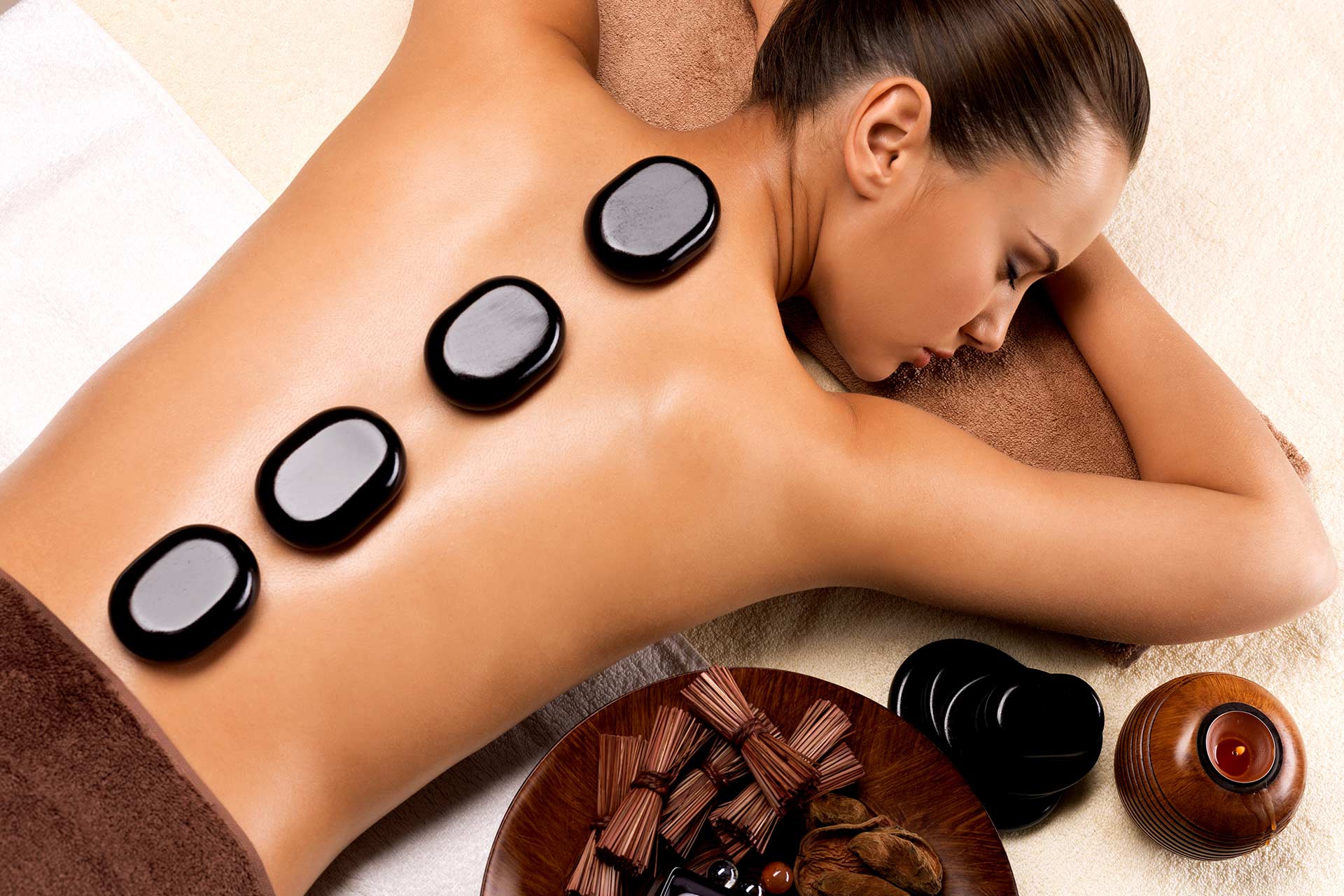
| Hot stone massage | Medium | Poor circulation, deep muscle relaxation | 75–90 minutes |
| Thai massage | Firm, stretch-based | Flexibility, joint mobility | 60–120 minutes |
Deep tissue tends to top the list when someone asks about the best massage for chronic pain, since the slower, firmer strokes reach muscle layers a lighter technique won’t touch. Thai massage suits people who want mobility work built into the session rather than pure relaxation, using assisted stretches alongside pressure points.
What happens once you’re on the table
A session that earns the label best massage usually follows a clear structure rather than random rubbing. Your therapist should start with a short conversation about problem areas, injuries, and how much pressure you actually want, not what they assume you want.
From there, most sessions move through warm-up strokes, targeted kneading on tight zones, and a slower cool-down toward the end. Layla Haddad, a licensed massage therapist practising in Dubai, points out that reading a client’s muscle response during the first ten minutes shapes everything that follows, since two people with the same complaint often need different pressure entirely.
That kind of adjustment separates a forgettable rubdown from a session worth repeating. A therapist who sticks rigidly to one routine regardless of feedback isn’t giving you the best massage available, even if the room and setting look impressive.
What shapes how good your massage actually feels
Two people can book what looks like an identical session and walk out with completely different results. A handful of factors explain most of that gap.
Timing and hydration
Booking a session on an empty stomach or straight after a heavy meal changes how your body responds to pressure. Drinking water before and after a session also matters more in Dubai than in cooler climates, since air conditioning and heat both pull moisture from muscle tissue faster than most people expect.
Communication with your therapist
Staying quiet through discomfort doesn’t earn you a better outcome. A study published in the Journal of Clinical Nursing found measurable drops in blood pressure following a single massage session, but only when pressure matched what the client’s body could handle without tensing against it. Speaking up mid-session, whether pressure feels too light or too firm, keeps the muscles relaxed enough for the technique to actually work.
How to find the best massage provider in Downtown Dubai
Location matters less than qualifications, though it’s tempting to judge a spa by how close it sits to Dubai Mall. Every spa operating in Dubai needs a valid trade license and must meet Dubai Health Authority standards covering hygiene and therapist training, so asking about licensing is a reasonable first question rather than an awkward one.
A provider that focuses specifically on massage therapy, rather than treating it as one line on a long beauty menu, tends to bring more consistency session to session. Shiny Spa, as one example, trains therapists across multiple techniques rather than defaulting everyone to the same routine, which matters if your needs shift from a stressful week to recovering from a hike or workout. That kind of specialisation tends to show up in small details, like how quickly a therapist adjusts pressure without being asked twice.
Checking how long a spa’s therapists have trained, whether sessions get tailored per client, and how they handle feedback mid-session gives you a clearer picture than star ratings alone. A provider willing to answer those questions directly, without vague marketing language, usually delivers a more consistent experience over repeat visits.
FAQs
What type of massage counts as the best massage for stress relief?
Swedish massage tends to work best for general stress, since it uses lighter pressure and long strokes designed to calm the nervous system rather than target specific injuries or chronic pain points.
How much does a massage in Downtown Dubai typically cost?
Pricing varies by spa, session length, and technique chosen. Most Downtown Dubai spas share current rates when you call or check their booking page directly, since packages change seasonally.
Do spas in Downtown Dubai need a license to operate?
Yes. Every spa in Dubai must hold a valid trade license and meet Dubai Health Authority requirements covering hygiene standards, therapist qualifications, and treatment safety before offering sessions to the public.
Does Dubai’s climate affect recovery after a session?
It can. Heat and constant air conditioning both increase dehydration, so muscles can tighten back up faster without enough water intake following your appointment near Downtown Dubai.
Is a 60-minute or 90-minute session better value near Downtown Dubai?
It depends on the technique and how much tension you’re carrying. Longer sessions suit deep tissue or Thai massage, while 60 minutes usually covers a straightforward relaxation session well.