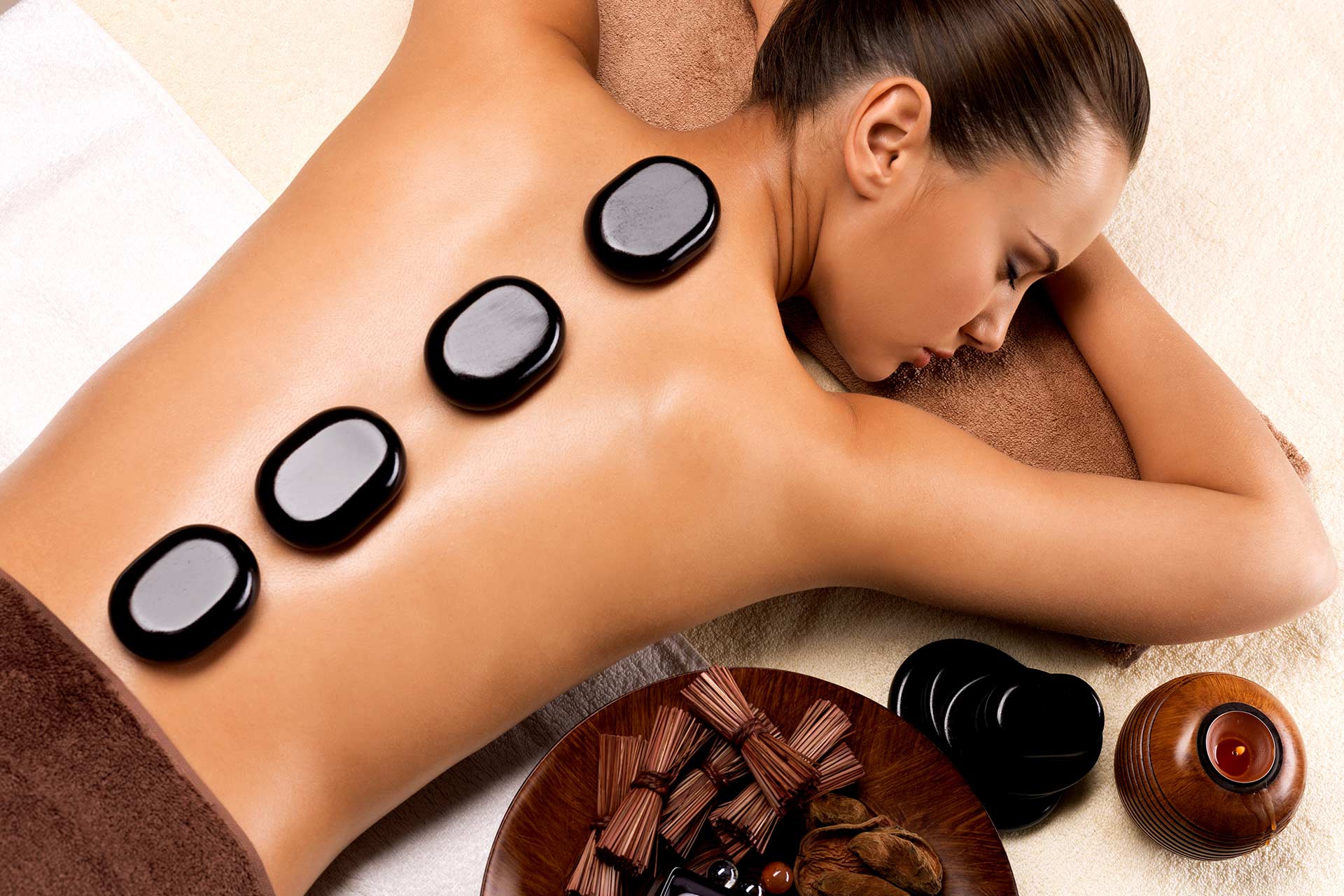
If you live or work in Dubai, your body takes on more than you probably notice. Long commutes, desk hours, intense gym sessions, and the constant pressure of a fast-moving city all quietly accumulate in your muscles. At Shiny Spa, we work with clients every week who arrive carrying weeks of tension they assumed was just part of life. Deep tissue massage in Dubai has become one of the most requested therapeutic treatments across the emirate — and for good reason. It goes further than surface relaxation and addresses the actual source of muscle pain, stiffness, and restricted movement.
This guide covers what the treatment actually involves, how much it costs, what happens during a session, and how to find a qualified therapist in Dubai who delivers results.
What deep tissue massage actually does to your body
Most people associate massage with relaxation, and while that is a welcome outcome, deep tissue work operates differently. The technique targets the deeper layers of muscle tissue and the fascia — the thin connective tissue that wraps around every muscle group in your body. When muscles are repeatedly stressed, small adhesions form within these layers. These adhesions, sometimes called knots, restrict movement, reduce blood flow, and generate pain that can radiate far from the original site.
A deep tissue therapist applies slow, deliberate strokes combined with sustained pressure using hands, forearms, and elbows. The goal is to break down these adhesions and restore normal muscle function. Research published in the Journal of Alternative and Complementary Medicine found that a single session reduced systolic blood pressure by an average of 10.4 mmHg and diastolic pressure by 5.3 mmHg, alongside a drop in heart rate of nearly 11 beats per minute. Separate research tracking cortisol levels found that massage therapy reduces this primary stress hormone by approximately 31% on average, while simultaneously increasing serotonin and dopamine.
These are not trivial effects. For residents managing the physical demands of Dubai’s work and lifestyle culture, regular sessions can make a meaningful difference to both physical comfort and daily energy levels.
Who benefits most from this treatment in Dubai
The profile of someone who benefits from deep tissue massage in Dubai is broader than most people assume. It is not just athletes or people recovering from injuries.
Office professionals who spend eight or more hours at a desk are among the most common clients. Sustained sitting compresses the hip flexors, tightens the thoracic spine, and creates chronic tension across the upper trapezius and neck. These clients often present with headaches, shoulder tightness, and lower back pain that no amount of stretching seems to fix.
Athletes and gym-goers use the treatment differently — primarily for recovery. A randomized controlled trial published in 2025 on PubMed, tracking 150 athletes aged 18 to 45 over eight weeks of bi-weekly sessions, found measurable improvements in performance and muscle recovery, with team and strength athletes showing the greatest gains.
Beyond these groups, people with chronic pain conditions, postural imbalances, or tension linked to anxiety also report strong results. A 2023 study cited by Forbes Health showed that even a single session of deep tissue massage improved cervical spine range of motion for up to two weeks. For Dubai residents dealing with the physical toll of long-haul travel, demanding work schedules, or high-intensity sport, this kind of recovery window genuinely matters.
Types of deep tissue massage sessions available in Dubai
Not every session is the same, and understanding your options helps you choose the right treatment for your specific needs.
| Session Type | Duration | Avg. Cost (AED) | Best For | Pressure Level |
| Targeted Area Session | 30–45 min | 150–250 | Neck, shoulders, or lower back only | High |
| Standard Full Body | 60 min | 300–400 | General muscle tension, stress relief | Medium–High |
| Extended Therapeutic | 90 min | 400–500 | Chronic pain, multiple problem areas | High |
| Intensive Recovery | 120 min | 500–650 | Athletes, post-injury, full body reset | Very High |
Home-based sessions through mobile therapists typically run at the lower end of these ranges, while hotel spas and luxury wellness centres sit toward the upper end. The price difference usually reflects the facility cost rather than the therapist’s skill, so it is worth evaluating both options before committing.
Spas operating in Dubai are required to hold a commercial trade license from the Department of Economy and Tourism (DET), alongside Dubai Health Authority (DHA) approval. Every therapist providing massage treatment must hold an active DHA professional license — this is a legal requirement, not optional. When you book a session, asking to see a therapist’s DHA registration number is a reasonable and sensible step.
What happens during a session, step by step
Knowing what to expect before you arrive removes the uncertainty that puts some people off booking their first session.
Before the session begins, your therapist will ask about your specific concerns. Where do you feel pain? How long has it been present? Are there any injuries, surgeries, or medical conditions they should know about? This consultation is not a formality — it directly shapes the treatment.
The warm-up phase lasts roughly the first five to ten minutes. The therapist uses lighter effleurage strokes across the area being treated to increase surface blood flow and prepare the tissue for deeper work. Skipping this step and going straight to deep pressure is a sign of poor technique.
The core treatment phase involves progressively deeper strokes and sustained pressure on areas of tension. Your therapist may use their thumbs, knuckles, forearms, or elbows depending on the muscle group. You may feel discomfort during this phase — particularly when trigger points are worked — but you should never feel sharp or acute pain. If you do, tell your therapist immediately.
The closing phase involves lighter work to flush the treated tissue and encourage circulation. Your therapist may finish with some gentle passive stretching.
After the session, you will likely feel some muscle soreness for 24 to 48 hours, similar to the feeling after a hard workout. This is normal. Drinking water in the hours following your treatment helps the body clear any metabolic waste released from the muscles during the session.
What affects the cost of deep tissue massage in Dubai
Several factors influence what you will pay, and understanding them helps you find real value rather than just the cheapest option.
Session length is the primary driver. A 60-minute session treating a specific region costs significantly less than a 90-minute full-body treatment. If you have one chronic problem area — lower back pain, for example — a focused shorter session may deliver better results than a longer but more dispersed treatment.
Location and facility type affect price substantially. A session at a five-star hotel spa in Downtown Dubai or Jumeirah will reflect the surrounding luxury. A neighbourhood wellness centre in Deira, Jumeirah Village Circle, or Al Barsha typically offers the same quality of treatment at lower rates.
Therapist experience and specialisation matter. A therapist with formal qualifications in sports rehabilitation or myofascial release techniques may charge more than a generalist — but for complex chronic pain, that experience often produces faster results.
Mobile versus in-clinic is another variable. Home massage services in Dubai generally start around AED 199 to AED 350 for a 60-minute deep tissue session. In-clinic rates at mid-range spas typically fall between AED 300 and AED 450. Luxury hotel spas can charge AED 600 or above for the same duration.
A licensed therapist at a reputable centre — like those working under the Shiny Spa brand — will hold their DHA credentials, use professional-grade oils and equipment, and carry the appropriate insurance. That combination of accountability is harder to verify with unlicensed mobile operators, regardless of price.
How to choose the right therapist or spa in Dubai
Dubai has hundreds of massage providers, and the quality varies considerably. These are the practical things to check before you book.
Verify DHA licensing. Every legitimate therapist must be registered through the Dubai Health Authority’s Sheryan portal. This is the baseline standard — not a bonus.
Ask about the therapist’s specific training in deep tissue techniques. General massage certification and specialised deep tissue training are not the same thing. Myofascial release, trigger point therapy, and neuromuscular technique each require dedicated study. A therapist who has completed post-graduate training in any of these areas will have a more precise approach to chronic pain cases.
Check that the facility holds its Dubai Municipality Health and Safety approvals. Licensed spas are required to display notices in both Arabic and English confirming they are a wellness facility rather than a healthcare provider — this is a mandatory regulatory requirement in Dubai. If a spa cannot show you its approvals or the notices are absent, that is worth noting.
Read reviews with a focus on consistency. One or two outlier complaints matter less than patterns. If multiple reviews mention the same therapist being skilled at lower back work, that specific feedback is reliable.
A spa that works exclusively in therapeutic treatments — rather than a general beauty salon that also offers massage — will typically have therapists who are more practiced and facilities designed for clinical comfort. Specialists in the Shiny Spa network, for example, focus on therapeutic outcomes rather than offering massage as an add-on to a wider beauty menu. That focused approach tends to produce more consistent results for clients with genuine pain or mobility concerns.
Frequently asked questions
How is deep tissue massage different from a Swedish massage in Dubai?
Swedish massage uses lighter, flowing strokes focused on relaxation and general circulation. Deep tissue work uses significantly more pressure and slower strokes to reach the muscles beneath the surface layer. Swedish massage is better for stress relief and introductory sessions. Deep tissue is more appropriate when you have specific pain, stiffness, or restricted movement that lighter pressure cannot reach.
How much does a deep tissue massage cost in Dubai on average?
A 60-minute session typically costs between AED 250 and AED 450 depending on the type of facility. Mobile home services tend to start from AED 199 to AED 350. Luxury hotel spas charge from AED 500 upward. The price range for a 90-minute session at a mid-range wellness centre sits around AED 400 to AED 500.
Is deep tissue massage in Dubai safe during pregnancy?
Deep tissue massage is generally not recommended during the first trimester and requires specialist prenatal training from the therapist in the second and third trimesters. Standard deep tissue pressure on the lower back, abdomen, and certain pressure points is contraindicated during pregnancy. Always inform your therapist and consult your doctor before booking if you are pregnant.
Do I need a doctor’s referral to get a deep tissue massage in Dubai?
No referral is required for a wellness massage at a licensed spa. If you are receiving massage as part of a rehabilitation programme following surgery, injury, or a specific medical diagnosis, your treating doctor may recommend a clinical physiotherapy setting rather than a spa environment.
How often should I book sessions for chronic lower back pain in Johar Town Lahore?
For chronic lower back pain, most qualified therapists recommend weekly sessions for the first four to six weeks, tapering to fortnightly once significant improvement is established. Maintenance sessions monthly or every six weeks help prevent the tension from returning to the same level.
How long does soreness last after a deep tissue session in Dubai?
Most clients experience some muscle soreness for 24 to 48 hours following a deep tissue session. This is a normal response to the deeper pressure applied. Drinking water and light movement on the day after your session helps the recovery process. If soreness extends beyond 72 hours or feels sharp rather than muscular, contact your therapist.
What should I wear or bring to a deep tissue massage appointment in Dubai?
Most spas provide disposable or laundered linens and ask you to undress to your comfort level. You will be professionally draped throughout the session. Bring any medical records or imaging relevant to your pain if you have them — a good therapist will find this useful context. Avoid eating a large meal within two hours of your appointment.
Are deep tissue massage therapists in Dubai required to hold a license?
Yes. The Dubai Health Authority requires all massage therapists providing treatments in licensed facilities to hold active DHA professional registration. This applies regardless of the therapist’s nationality or where they trained. Asking for a therapist’s DHA registration number before your first session is entirely reasonable.
Is deep tissue massage effective for sports injuries in Dubai’s climate?
Yes, with some caveats. Dubai’s heat and high humidity mean that athletes often experience faster muscle fatigue and a higher rate of soft tissue strain. Deep tissue massage supports recovery by reducing inflammation, improving blood flow, and addressing the muscular compensations that develop around an injury. It is most effective as part of a broader recovery plan that includes hydration, rest, and where appropriate, physiotherapy.
How much does a 90-minute deep tissue session cost at a hotel spa in Dubai?
At hotel spas in five-star properties across Dubai Marina, Downtown, or Palm Jumeirah, a 90-minute deep tissue session typically costs between AED 550 and AED 800. Mid-range spas in residential neighbourhoods offer the same duration for AED 400 to AED 500. The setting and surroundings account for most of the price difference.
Can deep tissue massage help with office-related neck and shoulder tension in Dubai?
Yes — this is one of the most common reasons clients in Dubai book deep tissue sessions. Prolonged desk work causes the upper trapezius, levator scapulae, and cervical extensors to remain in a shortened, contracted position for hours at a time. Deep tissue work on these specific muscles, combined with trigger point release, produces measurable improvements in both pain and range of motion that most clients notice within one to three sessions.
What is myofascial release and is it the same as deep tissue massage?
Myofascial release is a specific technique often used within deep tissue sessions. It targets the fascia — the connective tissue surrounding muscles — using sustained pressure held for longer periods than standard deep tissue strokes. Many experienced deep tissue therapists incorporate myofascial techniques, particularly for clients with widespread stiffness or post-surgical adhesions. They are related but not identical.
Ready to book your first session?
Muscle pain and stiffness rarely resolve on their own — they accumulate until they start affecting sleep, posture, and daily movement. If you have been managing tightness in your back, neck, or shoulders for weeks or months, a focused deep tissue session may provide more relief than stretching alone. Start by identifying what you want to address: a specific pain area, general tension, or athletic recovery. Then look for a DHA-licensed therapist with documented training in deep tissue techniques. Shiny Spa offers assessments that let you discuss your concerns before committing to a full treatment plan, so you know exactly what to expect before you arrive.