A long week leaves your shoulders tight and your mind foggy. Shiny Spa built its full body relaxation massage sessions around exactly that problem. A full body relaxation massage works through every major muscle group, easing tension while calming your nervous system. This guide walks you through what the treatment does, how it works, and how to pick a therapist you can trust.
Have you ever left work with a knot between your shoulder blades that just won’t quit? A full body relaxation massage targets that kind of tension from head to toe in one session. It combines steady pressure, long strokes, and a quiet setting to slow your breathing and settle your mind. By the end, most people feel looser, calmer, and more clear-headed than when they walked in.
Why a full body relaxation massage helps more than your muscles
A relaxation massage does more than loosen tight spots. It shifts your body out of a stressed state and into a calmer one. Your heart rate slows, your breathing deepens, and your muscles let go of tension they’ve been holding for days or weeks.
According to a 2017 consumer survey by the American Massage Therapy Association, 72 percent of people who booked a massage in the previous year did so for medical or stress-related reasons, with stress relief alone accounting for 29 percent. That tells you something: people aren’t booking massages for luxury alone. They’re booking them because the results are measurable.
Research summarized by the same association found that a short chair massage session lowered heart rate, blood pressure, and stress hormone levels in study participants. A full body relaxation massage session, which runs longer and covers more ground, tends to produce an even stronger version of that same calming effect.
Types of relaxation massage and which one fits you
Not every relaxation massage feels the same. Pressure, technique, and pacing all shift depending on the style, so picking the right one matters.
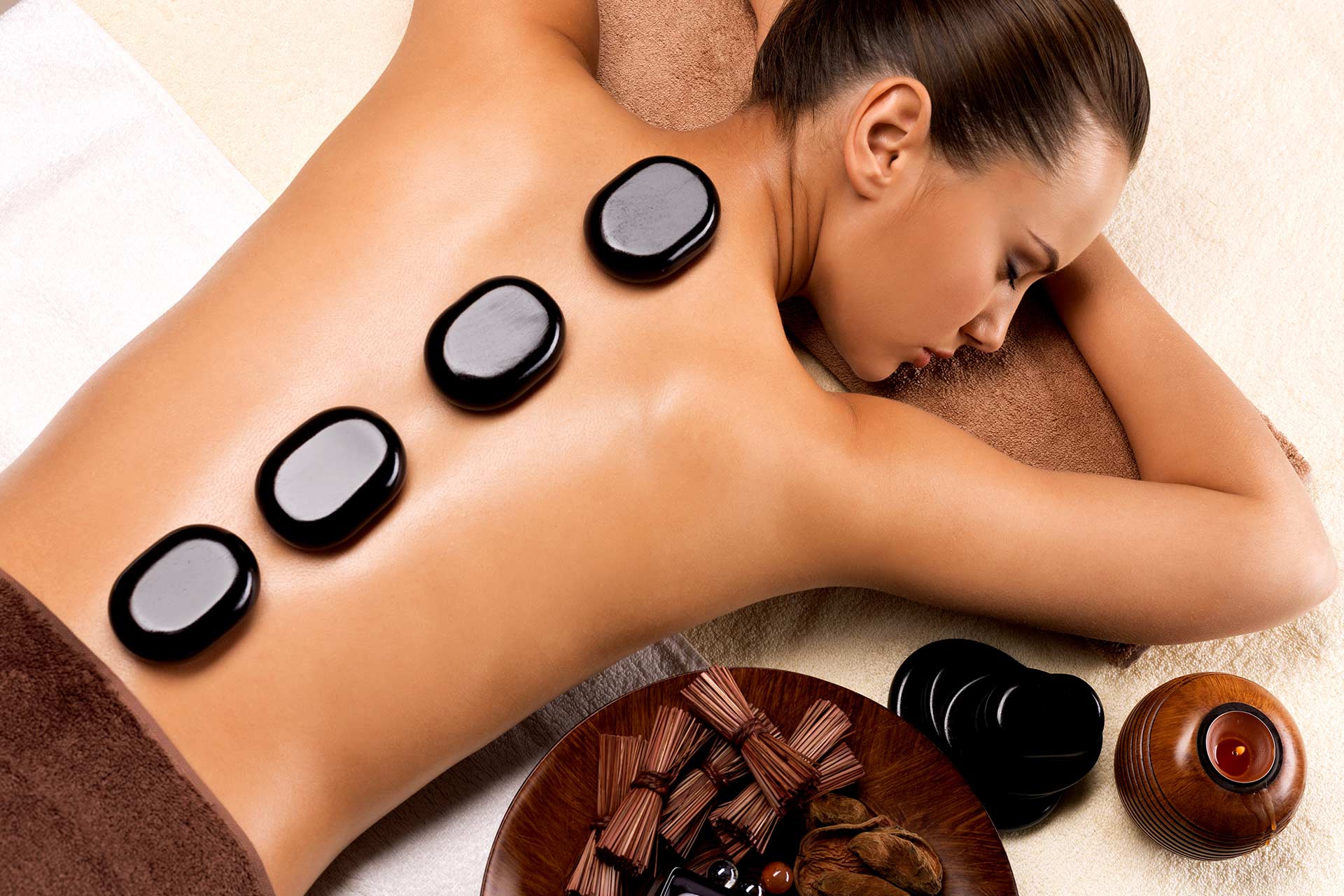
Swedish-style relaxation massage uses long, smooth strokes and light to medium pressure. It suits first-timers and anyone who wants a gentle full body relaxation massage without deep pressure work. Aromatherapy massage adds scented oils to the same technique, which can deepen the calming effect for people sensitive to stress. Hot stone massage uses warmed stones to loosen tight muscles before the therapist works through them by hand. Light deep tissue work focuses on specific tension spots while keeping the overall session relaxing rather than intense.
| Massage Style | Pressure Level | Best For | Typical Duration |
| Swedish Relaxation | Light to medium | First-time clients, general stress relief | 60–90 minutes |
| Aromatherapy | Light to medium | Anxiety, sleep trouble, mood support | 60–90 minutes |
| Hot Stone | Medium | Chronic muscle tightness, cold-weather tension | 75–90 minutes |
| Light Deep Tissue | Medium to firm | Desk-job shoulder and neck tension | 60 minutes |
What to expect during your session, step by step
Walking into a massage session for the first time can feel a little uncertain, so knowing the steps ahead of time helps.
Your therapist starts with a short conversation about tension areas, health conditions, and pressure preference. You then settle onto the table, usually face down first, while the therapist works through your back, shoulders, legs, and arms using long, even strokes. Warm oil or lotion reduces friction and keeps the movement smooth across your skin. Midway through, most therapists flip the sequence so they can work your front side, neck, and scalp.
A licensed massage therapist we spoke with described the goal simply: “We’re not just working muscle, we’re helping the whole body shift out of fight-or-flight mode.” That shift is what separates a full body relaxation massage from a quick, targeted rubdown. Sessions like these are why companies that specialize in relaxation massage, including Shiny Spa, structure their bookings around 60 to 90 minute blocks rather than shorter appointments.
What affects the cost of a full body massage
Rather than list a price, it helps to understand what actually drives the number on your receipt, since it varies by provider and region.
Session length and location
Longer sessions naturally involve more hands-on time, and studios in busier areas tend to price differently than smaller neighborhood spas. A 90-minute full body relaxation massage will always involve more labor than a 30-minute session, regardless of who provides it.
Therapist experience and extras
A therapist with advanced training or specialty certifications often prices sessions differently than someone newer to the field. Add-ons like aromatherapy oils, hot stones, or extended scalp work also shift the total, so ask what’s included before you book.
Choosing a therapist or spa you can trust
Picking a provider matters just as much as picking a massage style, since technique quality varies widely between therapists.
Look for a therapist who asks about your health history, tension areas, and pressure preference before starting. That conversation signals real training rather than a rushed, generic routine. In most regions, massage therapists must complete accredited coursework and hold a valid license or registration before treating clients, so it’s reasonable to ask about credentials directly.
A therapist who works specifically in relaxation and full body techniques, such as the team at Shiny Spa, will usually have handled a wider range of tension patterns than a general spa offering massage as one service among many. That kind of focused experience tends to show up in the quality of the pressure work and the pacing of the session itself.
Take a desk worker with chronic shoulder tension as an example. A generalist spa might rush through a standard 30-minute rubdown. A therapist trained specifically in full body relaxation work will usually spend extra time on the neck and upper back, adjusting pressure as the muscle responds, because that focused attention is the whole point of the treatment.
Final thoughts
A full body relaxation massage works best as a repeated habit rather than a once-a-year treat. Regular sessions help your body recover from daily stress before tension builds into something harder to shake. If you’re ready to book one, reach out to Shiny Spa to ask about session lengths and available styles. A quick conversation with their team can help you figure out which approach fits your body and your schedule, without any pressure to commit on the spot.
FAQs
How long does a full body relaxation massage take?
Most sessions run 60 to 90 minutes, giving the therapist time to work through your back, shoulders, arms, legs, and scalp without rushing any single area.
Does a full body relaxation massage cost more than a regular massage?
Pricing depends on session length, therapist experience, and any add-ons like aromatherapy or hot stones. Ask your spa near you for a breakdown before booking.
Do I need to check a therapist’s license before booking a massage near me?
Yes. Most regions require massage therapists to complete accredited training and hold a valid license, so asking about credentials is a reasonable step before your first session.
Will a full body massage help with tension from sitting at a desk all day?
Yes, especially light deep tissue or Swedish-style sessions focused on the neck and shoulders, where desk-related tension tends to build up first.
Is a hot stone massage a good choice for cold weather?
Yes. The warmed stones help loosen tight muscles before hands-on work begins, which many clients notice more during colder months when muscles tend to stay tighter.