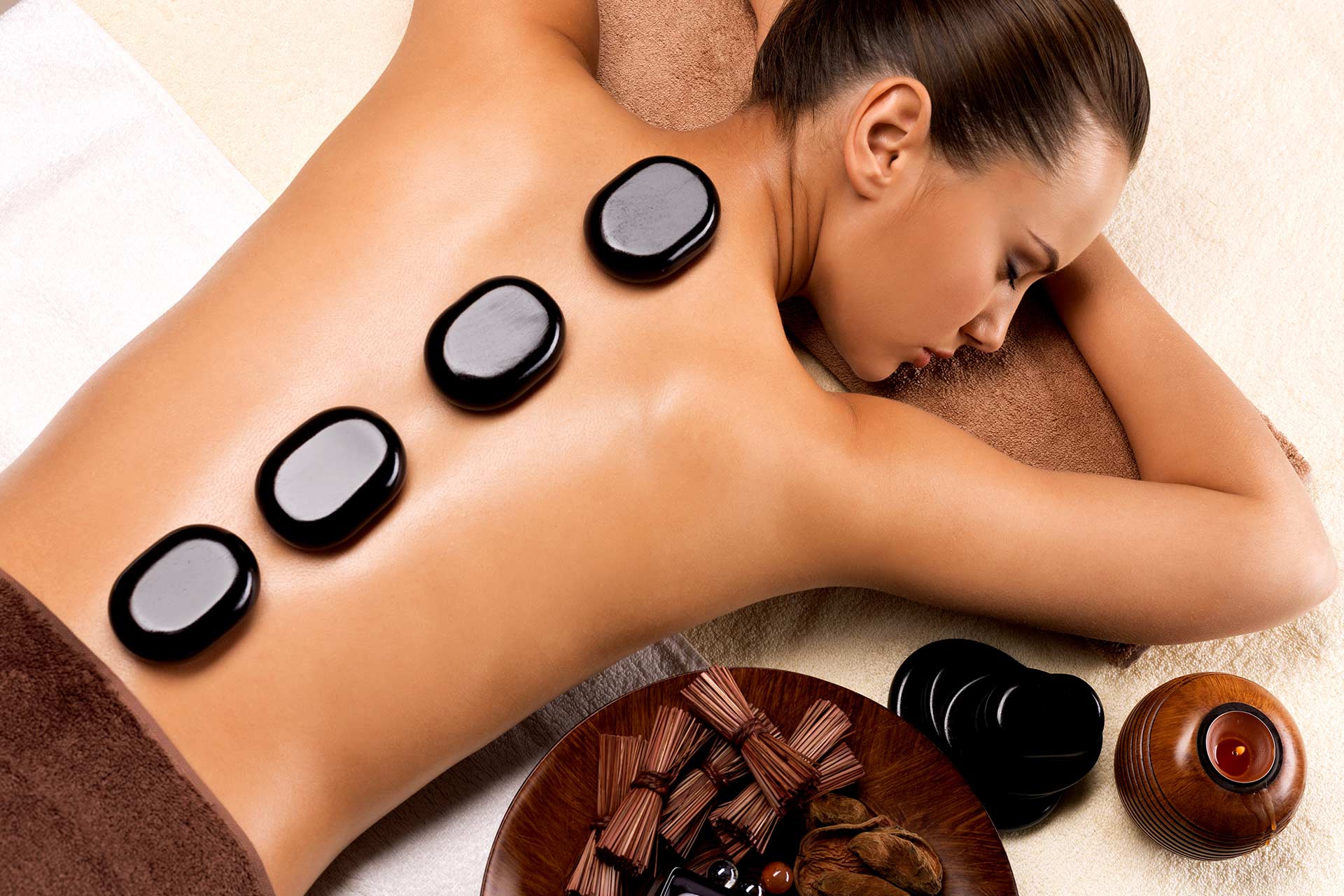
Cold, stiff muscles respond differently to warmth than to pressure alone. Shiny Spa designed its hot oil relaxation massage sessions around that exact idea. A hot oil relaxation massage combines warmed oil with steady, flowing strokes to loosen tight tissue while calming your nervous system at the same time. This guide covers how the treatment works, which oils suit different needs, and what to look for in a therapist.
Why does warm oil feel so different from a dry massage? Heat opens blood vessels near the skin, so muscles soften faster and the therapist’s hands glide instead of dragging. A hot oil relaxation massage pairs that warmth with slow, continuous movement across your back, arms, legs, and scalp. By the end of the session, most people notice looser shoulders, slower breathing, and a calmer mind.
What makes a hot oil relaxation massage different
Dry massage relies on friction and pressure to work through tight muscle. Oil-based work relies on warmth and glide instead, which changes how your body responds during the session.
A 2018 study on 44 healthy women measured how the nervous system reacted to a slow, rhythmic massage compared with a placebo treatment. Participants receiving the real massage showed a stronger shift out of a stressed, fight-or-flight state than those in the control group. Warm oil amplifies that shift further, since the heat itself calms sensory nerve endings in the skin before the therapist even applies pressure.
Research published in the Journal of Alternative and Complementary Medicine (2023) found that regular oil-based massage lowered cortisol levels in participants and supported better sleep quality. That matters if you carry tension home from work, since cortisol is the hormone most tied to chronic stress. A hot oil relaxation massage session gives your body a chance to reset that hormone response, at least temporarily, through touch and warmth combined.
Oils used in a hot oil relaxation massage and how they compare
Not every oil behaves the same way once it warms up on the skin, so the choice matters more than people expect.
Sesame oil holds heat longer and absorbs slowly, which suits colder climates and drier skin types. Coconut oil absorbs faster and feels lighter, so it works well for warmer weather or shorter sessions. Almond oil sits between the two, offering moderate absorption with a smooth, non-greasy finish. Herbal-infused oils add plant extracts like lavender or eucalyptus, which can deepen the relaxation effect for clients sensitive to scent-based calming.
| Oil Type | Warmth Retention | Best For | Skin Feel |
| Sesame Oil | High | Cold weather, dry skin | Rich, slow-absorbing |
| Coconut Oil | Medium | Warm climates, shorter sessions | Light, fast-absorbing |
| Almond Oil | Medium | Sensitive skin, general use | Smooth, balanced |
| Herbal-Infused Oil | Medium to high | Stress relief, sleep support | Light with added scent |
How a hot oil relaxation massage session unfolds
Knowing the sequence ahead of time takes the guesswork out of a first visit, so here’s what typically happens.
Your therapist warms the chosen oil to a comfortable temperature, then checks in about pressure preference and any skin sensitivities. You lie face down first while they work through your back, shoulders, and legs using long, sweeping strokes that keep the oil moving and warm. Around the midpoint, most sessions shift to your front side, arms, and scalp, since scalp work with warm oil tends to deepen the calming effect further.
A licensed massage therapist we spoke with put it simply: “The warmth does half the work before I even apply pressure, so the muscle lets go faster than it would dry.” That’s part of why teams that focus specifically on oil-based techniques, including the therapists at Shiny Spa, often build longer session blocks into their scheduling rather than rushing through a standard dry massage format.
What shapes the cost of a hot oil massage
Rather than quote a number, it helps to understand what actually moves the price, since it shifts by provider and region.
Oil type and sourcing
Herbal-infused or specialty oils typically involve higher sourcing costs than plain carrier oils like coconut or almond. A spa using imported or organic oils will usually price differently than one using standard retail products.
Session length and therapist skill
A 90-minute session naturally costs more in labor than a 45-minute one, and a therapist with advanced oil-massage training may price their time differently than someone newer to the technique. Ask what’s included, since some spas bundle scalp work or hot towels into the base session.
Finding a therapist who does hot oil massage well
Picking the right therapist matters as much as picking the right oil, since technique and pacing vary widely between providers.
Ask whether they warm the oil to a controlled, consistent temperature rather than applying it cold and heating it through friction alone. That question alone tends to separate an experienced provider from someone offering the service as an afterthought. In most regions, therapists must complete accredited training and hold a valid license before treating clients, so it’s worth confirming credentials before booking.
A therapist who works specifically with oil-based techniques, such as the team at Shiny Spa, will usually have handled a wider range of skin sensitivities and oil preferences than a general spa offering it as one option among many. That focused experience tends to show up in how carefully they manage temperature and pressure throughout the session.
Take someone with chronic dry skin and tight shoulders from cold winters as an example. A general spa might use whatever oil is on hand that day. A therapist trained specifically in hot oil work will usually match sesame or a heavier herbal blend to that skin type, adjusting the oil’s warmth as the session progresses rather than applying it once and moving on.
Final thoughts
A hot oil relaxation massage tends to work best as part of a regular routine rather than a one-off treat, especially through colder months when muscles hold more tension. If you want to try one, reach out to Shiny Spa to ask which oil suits your skin type and how long a first session should run. Their team can walk you through the options so you book something that actually fits your body, without any pressure to decide right away.
FAQs
How long does a typical hot oil relaxation massage last?
Most sessions run 60 to 90 minutes, giving the therapist time to work through your back, limbs, and scalp while keeping the oil warm throughout.
Does a hot oil massage cost more than a regular relaxation massage?
Pricing depends on the oil used, session length, and therapist experience. Ask a spa near you for a breakdown before you book.
Is a licensed therapist required for a hot oil massage near me?
Yes. Most regions require massage therapists to complete accredited training and hold a valid license, so confirming credentials before your session is a reasonable step.
Which oil works best for a hot oil massage in cold, dry climates?
Sesame oil holds heat longer and absorbs slowly, making it a strong fit for cold weather and dry skin compared with lighter oils like coconut.
Can I request a specific oil at a spa near me?
Yes. Most spas offering hot oil relaxation massage will let you choose based on skin type, scent preference, or sensitivity, so ask when you book.