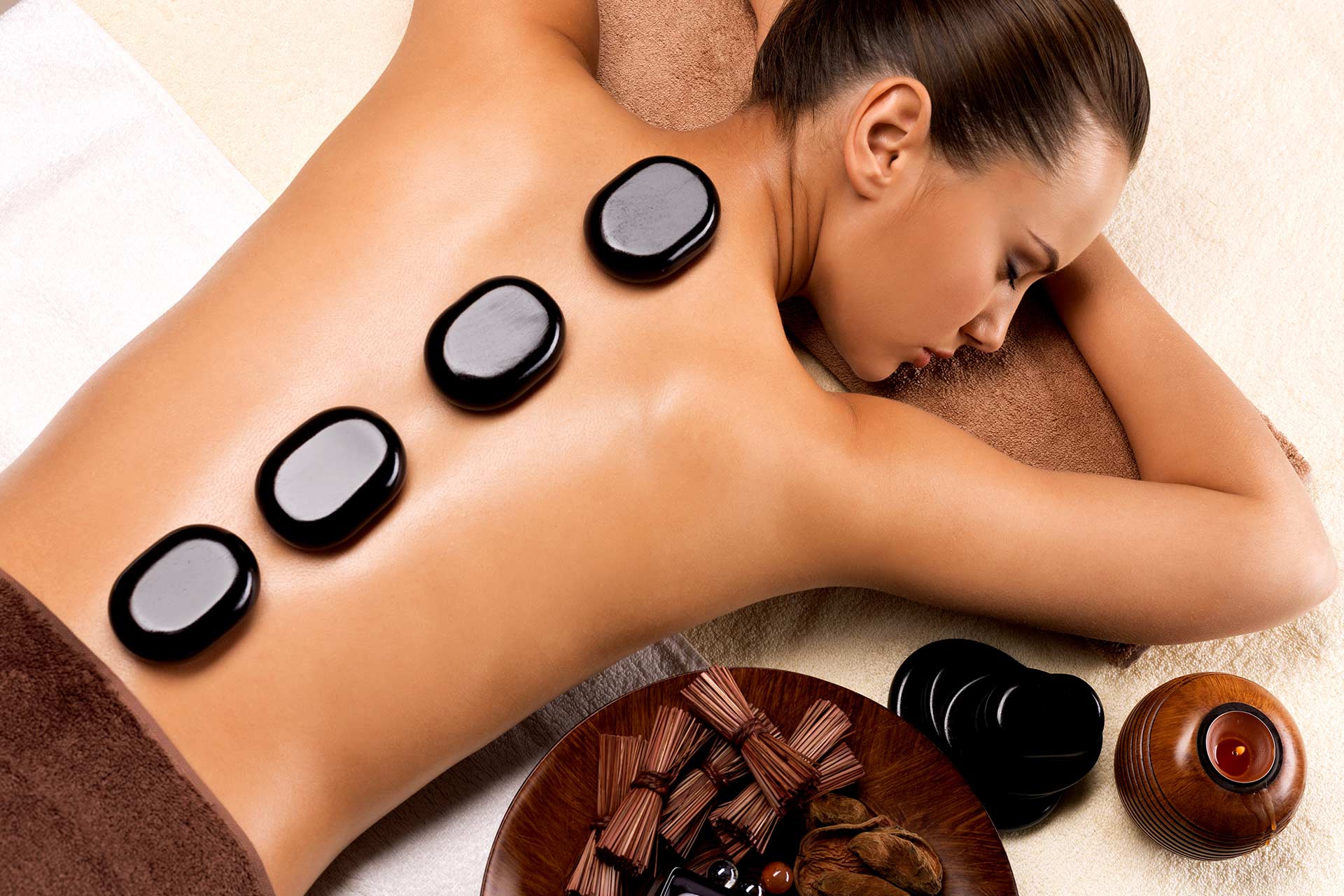
Long days leave your shoulders tight and your mind noisy. At Shiny Spa, we see this pattern every week, and a quiet hour of head massage is often the first treatment our clients ask for. Gentle pressure on the scalp, temples, and neck can slow your breathing and ease tight muscles. So why does such a simple treatment work so well?
We wrote this guide to answer that question in plain terms. First, we look at why scalp massage helps with stress relief. Next, we compare the main techniques, walk through a typical session, and explain what shapes the price of a visit.
Whether you work at a desk, care for young children, or simply need a calm break, relaxation is within easy reach. Let’s start with the basics.
Why stress relief starts at the scalp
Your scalp holds a dense web of nerves, blood vessels, and small muscles. When stress hits, those muscles tighten without you noticing. That tension can creep into your forehead and jaw, and a dull ache often follows. Sound familiar?
The scale of the problem is large. The Health and Safety Executive (2023) reported that 875,000 workers in Great Britain suffered work-related stress, depression, or anxiety in 2022/23. Many people look for a simple, regular habit to cope, and touch therapy fits that need well.
Headaches add to the load. According to the World Health Organization (2016), about 26 percent of adults worldwide live with tension-type headaches. Because those headaches often start in the neck and scalp muscles, a head massage can offer gentle relief for many sufferers.
A licensed massage therapist in the UK says most first-time clients are surprised by how quickly their shoulders drop. In her view, the scalp is where people finally notice how tightly they have been holding themselves. That small moment of awareness is often the start of real calm.
Consider a typical case. Maria, an office worker, sits for nine hours a day and gets tight temples by Thursday. After a weekly scalp session for a month, she sleeps better and reaches for painkillers less often. Her story shows how steady relaxation can change an ordinary week.
Techniques you can choose from
Not every session looks the same, so it helps to know your options. Indian scalp massage, often called champissage, uses firm kneading on the scalp, neck, and upper back. Swedish-style work uses long, flowing strokes and suits people who like a lighter touch. Acupressure presses on set points to release knots, and aromatherapy blends add scent to the calm.
Each style has its own strengths. Firmer head and neck massage methods suit stubborn tension. Gentler ones suit sensitive skin or first-timers. The table below sums up the main differences.
| Style | Pressure | Typical length | Best for | Oils used |
| Indian scalp massage | Firm | 30–45 min | Deep tension, hair care | Coconut, sesame |
| Swedish-style head and neck | Light to medium | 20–40 min | First-timers, relaxation | Light carrier oils |
| Acupressure scalp work | Medium to firm | 30–45 min | Tension headaches | Often none |
| Aromatherapy scalp treatment | Light | 30–60 min | Sleep, mood support | Lavender, chamomile |
Which one should you try first? If you are new, ask for a medium-pressure Swedish-style session. Then you can move to firmer scalp massage work once you know how your body responds.
What happens during a session
Most sessions run for 20 to 45 minutes, and you stay fully clothed. First, your therapist asks about headaches, allergies, and skin conditions. Providers such as Shiny Spa usually begin with a short consultation form for exactly this reason. Then you agree on pressure, oils, and any areas to avoid, which sets the tone for a safe and comfortable head massage.
Next, you sit or lie back in a quiet room. Your therapist starts at the shoulders and neck to loosen the muscles that pull on your scalp. After that, slow circles move across the crown, temples, and hairline. Each stroke builds on the last, so your breathing usually slows within minutes.
Then comes the deepest phase. The therapist works along the base of the skull with steady thumb pressure, because tension headaches often begin there. If a spot feels too strong, you speak up and the pressure drops at once. Good therapists want that feedback.
Finally, the session ends with light strokes and a few quiet minutes to settle. Drink water afterwards, and avoid rushing into a busy schedule if you can. Many people feel sleepy, which is a normal sign that the body is unwinding after scalp relaxation.
Training matters here. In the UK, therapists can join the Complementary and Natural Healthcare Council register, and most US states license massage therapists. In Canada, rules vary by province, and Ontario regulates registered massage therapists. So ask to see a current qualification before you book your massage therapy visit.
Cost factors and choosing a provider
Planning a visit raises two practical questions. What will a session cost, and who should you trust with your scalp? Let’s take them one at a time.
What shapes the price of a session
Several clear factors set the price. Session length comes first, since a 45-minute treatment costs more than a 20-minute one. Next, the therapist’s training and experience play a part. The venue, add-ons like hot towels or aromatherapy oils, and demand in your area also change the final bill. Before you book, ask for a written breakdown of your stress relief session.
How to pick a provider near you
Start with qualifications, insurance, and hygiene standards. Then read recent reviews and check how the venue handles intake questions. A short first booking is a smart way to test the fit.
Does a specialist really make a difference? A team that focuses on relaxation treatments, like Shiny Spa, handles client health questions daily, knows which oils suit sensitive skin, and carries insurance for the treatments it offers. A general salon or national chain may add a quick scalp rub to a longer service without the same depth of focus. For a calm, safe visit, that focus counts.
FAQs
How much does a scalp massage near me usually cost?
Prices vary by session length, therapist training, and venue type. Longer treatments and add-ons such as hot towels or aromatherapy oils raise the total. Call two or three providers near you, ask what each session includes, and compare the details before choosing the one that fits your budget.
What affects the price of a relaxing scalp treatment near me?
Four things matter most: session length, therapist experience, location, and extras like oils or hot stones. Busy city venues often charge more than quiet suburban ones. Ask each provider for a written breakdown so you can compare like with like.
Do therapists offering scalp massage near me need a licence?
It depends on where you live. Most US states license massage therapists, Ontario regulates registered massage therapists in Canada, and the UK offers a voluntary CNHC register. Ask to see a current certificate and proof of insurance before your first visit.
How long do the effects of a head massage last in cold or dry weather?
Relaxation usually lasts a few hours to a couple of days, depending on your stress level. Cold, dry air can tighten neck muscles again, so wear a scarf, keep your scalp moisturised, and book regular sessions to maintain the benefit.
Is a scalp massage near me safe if I get tension headaches?
Gentle pressure is safe for most people with tension headaches, and many find relief. Tell your therapist about your symptoms first. If you have sudden severe headaches, a head injury, or take blood thinners, speak to your doctor before booking.
Conclusion
A calm hour for your scalp can soften muscle tension, quiet a busy mind, and make bedtime easier. Start by choosing a technique that matches your comfort level, then check your therapist’s qualifications. Once you feel ready, reach out to Shiny Spa to ask about session options for your needs, and the team will walk you through each step without pressure. Take it slowly, listen to your body, and let each visit build a steadier routine of rest.