Caring for a newborn leaves little room for rest, and many new mothers push through sore shoulders, a tight lower back, and constant fatigue without asking for help. Shiny Spa built its postnatal massage program around this exact problem: give recovering mothers a way to ease physical strain while the body adjusts to life after birth. Postnatal massage targets the muscles and joints most affected by pregnancy, labour, and round-the-clock baby care, from the shoulders and neck down to the lower back and hips. For many mothers, a session brings relief from swelling, tension headaches, and the stiffness that comes from hours of feeding and carrying a baby. Sessions support deeper sleep and a steadier mood during a stretch of life that asks a lot from the body. This guide looks at how postnatal massage works, what happens in a session, and how to pick a provider you trust.
What postnatal massage does for new mothers
New mothers carry a lot in the weeks after birth, and their bodies show it. Hormone shifts, disrupted sleep, and the physical demands of nursing and lifting a baby all add strain to the neck, shoulders, and lower back. Postnatal massage responds to that strain directly, using slow, targeted strokes to loosen tight muscles and calm an overworked nervous system.
Research backs this up. According to the Centers for Disease Control and Prevention (2020), roughly one in eight women report symptoms of postpartum depression, and touch-based therapies are one of the tools clinicians point to for support alongside standard care. A study led by researcher Tiffany Field at the University of Miami found that women who received massage during labour had shorter labours, less anxiety, and fewer postpartum depression symptoms than women who did not (Field, 1997).
For a mother recovering from a vaginal birth or a C-section, postnatal massage can ease swelling, loosen scar tissue once a doctor has cleared it, and settle the aches that come from hours of breastfeeding in one position. Sessions are gentle and adjustable, so they suit almost every recovery stage, from the first two weeks postpartum through the following months.
Types of postnatal massage and how they compare
Not every postnatal massage looks the same, and the right style depends on what a mother needs most: relaxation, muscle recovery, or lymphatic support. A gentle Swedish-style massage focuses on relaxation and circulation. A deeper tissue release targets the knots that build up from carrying a baby all day. Lymphatic drainage massage, often requested in the first few weeks after birth, works on reducing fluid retention and swelling.
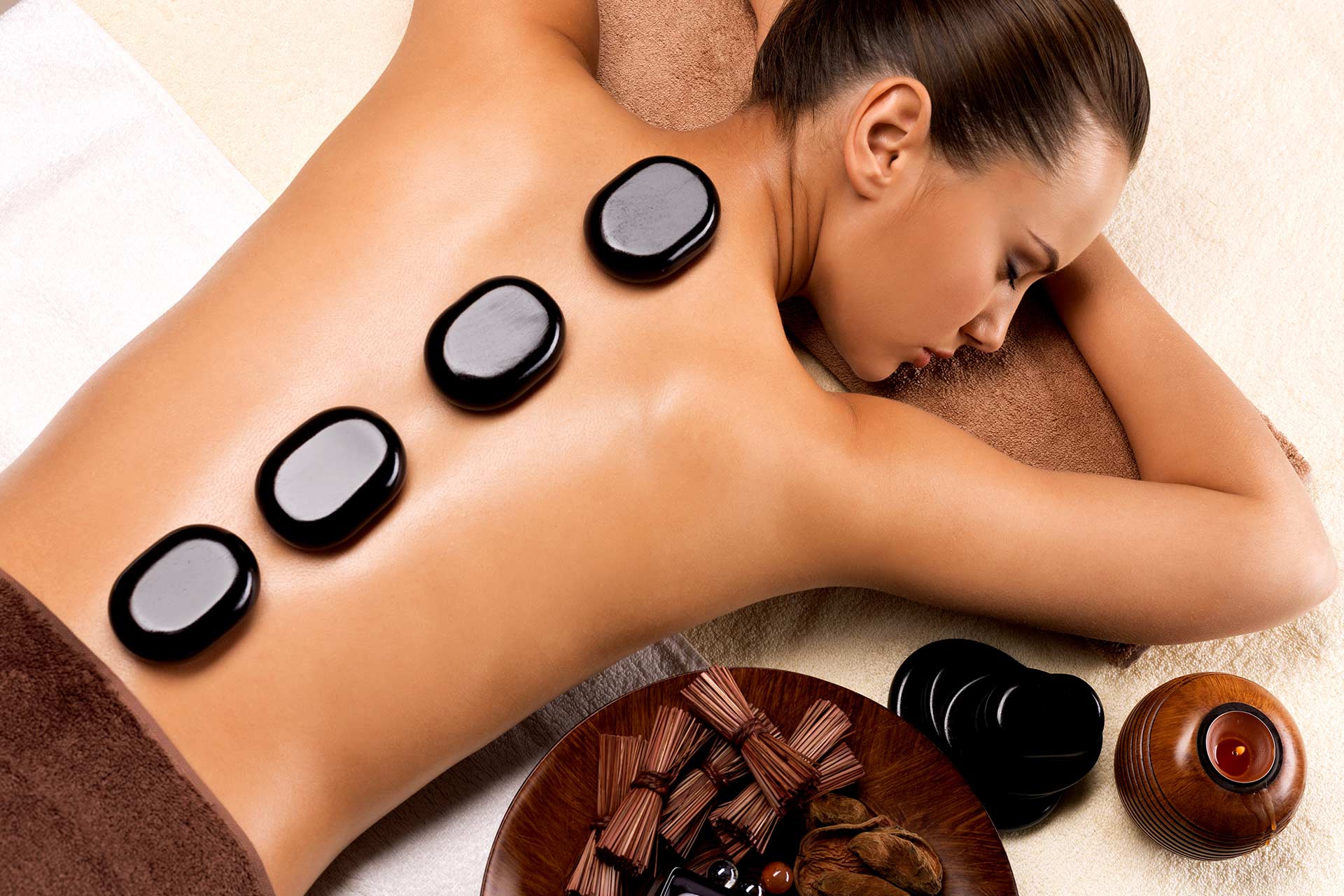
Some spas add hot stone elements or aromatherapy oils to a session, though a good therapist will always check with a mother before using any oil, in case of allergies or breastfeeding concerns. The table below compares four common approaches so you can see which one fits your stage of recovery.
| Massage type | Focus area | Best for | Typical session length |
| Swedish-style postnatal massage | Full body, gentle pressure | General relaxation and stress relief | 45–60 minutes |
| Deep tissue postnatal massage | Shoulders, back, hips | Muscle tension from feeding and lifting | 45–60 minutes |
| Lymphatic drainage massage | Legs, abdomen, arms | Swelling and fluid retention | 30–45 minutes |
| Hot stone postnatal massage | Back and legs | Deep muscle relaxation | 60 minutes |
Every option here can sit alongside standard postpartum care rather than replace it, so check with your doctor before your first appointment if your recovery has been complicated.
What happens during a postnatal massage session
A first session usually starts with a short conversation about the birth, any medical clearance from a doctor, and current pain points. This step matters more than people expect, since a therapist trained in postnatal work will adjust pressure and positioning around a C-section incision, sore nipples, or a still-healing pelvic floor.
Positioning comes next. Lying flat on the stomach is often uncomfortable for the first weeks after birth, so many therapists use side-lying positions or a specially designed cushion that supports the chest and abdomen. From there, the massage moves through the back, shoulders, arms, and legs, with extra time spent wherever tension has built up.
Sessions usually run between 45 and 75 minutes, and a good therapist checks in throughout, asking about pressure and comfort rather than assuming. Many mothers describe the last ten minutes, when the room goes quiet and the pace slows right down, as the part they look forward to most. New parents rarely get that kind of uninterrupted quiet elsewhere, and that alone changes how the body responds.
What shapes the cost of a postnatal massage
Postnatal massage pricing varies by provider, and a few factors explain most of the difference. Session length is the first one: a short lymphatic drainage add-on takes less time and skill than a full combination session that blends deep tissue work with aromatherapy. Where you live plays a part too, since spas in larger cities tend to carry higher overhead than smaller local studios.
Session length and add-ons
Longer sessions naturally take more of a therapist’s time and training to deliver safely, especially when a mother needs extra support around a healing incision or a sensitive area. Add-ons like aromatherapy, hot stones, or a combined baby massage lesson add time and materials to a session, which shows up in the final rate.
Therapist experience and location
A therapist with advanced postnatal certification, beyond a general massage license, usually charges a bit more for that specialised training. Studios in busy areas with higher rent pass some of that cost along too, while a local, independent provider may keep rates lower simply because their overhead is smaller. Ask a few local studios what is included in their standard session before you compare rates directly.
How to choose the right postnatal massage therapist
Picking a therapist matters as much as picking the right massage style. Ask whether they hold a certification specific to prenatal and postnatal work, not just a general massage license, since the postpartum body needs different care around scar tissue, loose ligaments, and breastfeeding positioning.
A therapist who works only with postnatal clients will have handled the recovery timeline for C-sections and vaginal births many times over, and will know which positions to avoid in the first six weeks. Local providers such as Shiny Spa that focus specifically on postpartum care tend to build this kind of repeat, specialised experience, compared with a general spa that treats postnatal clients only occasionally.
A quick example: one new mother recovering from a C-section found that a general spa massage left her sore around the incision site, because the therapist used standard pressure without checking her scar first. Switching to a therapist trained in postnatal recovery solved the problem within two sessions, since the new therapist adjusted positioning and pressure from the start.
Before booking, ask about their training, how many postnatal clients they see each month, and whether they check in with your doctor’s clearance before your first appointment. A good provider welcomes these questions instead of brushing past them.
FAQs
Is postnatal massage near me expensive, and does insurance help?
Rates differ by studio and region, and most private insurance plans do not cover it. Ask your local provider directly about current pricing, since it depends on session length and any add-ons like lymphatic work or aromatherapy included in the appointment.
What factors affect the cost of a postnatal massage session?
Session length, added treatments such as hot stones or lymphatic drainage, and a therapist’s certification level all play a part. A longer session with a specialist naturally takes more time and skill than a shorter, general relaxation appointment.
Do local therapists need special certification for postnatal massage?
Many regions require extra training beyond a standard massage license for anyone working with postpartum clients. Ask your therapist about their specific certification and how many postnatal clients they treat regularly before your first appointment.
How many sessions will I need before I notice lasting results?
Most mothers feel looser after one appointment, though tension from feeding and lifting returns quickly in the early weeks. A weekly or biweekly rhythm for the first two months tends to keep the benefits steady.
How soon after birth can I book a session near me?
Many therapists ask for medical clearance first, often around two weeks after a vaginal birth or six weeks after a C-section. A therapist near you who works with postpartum clients regularly can adjust timing to your recovery.