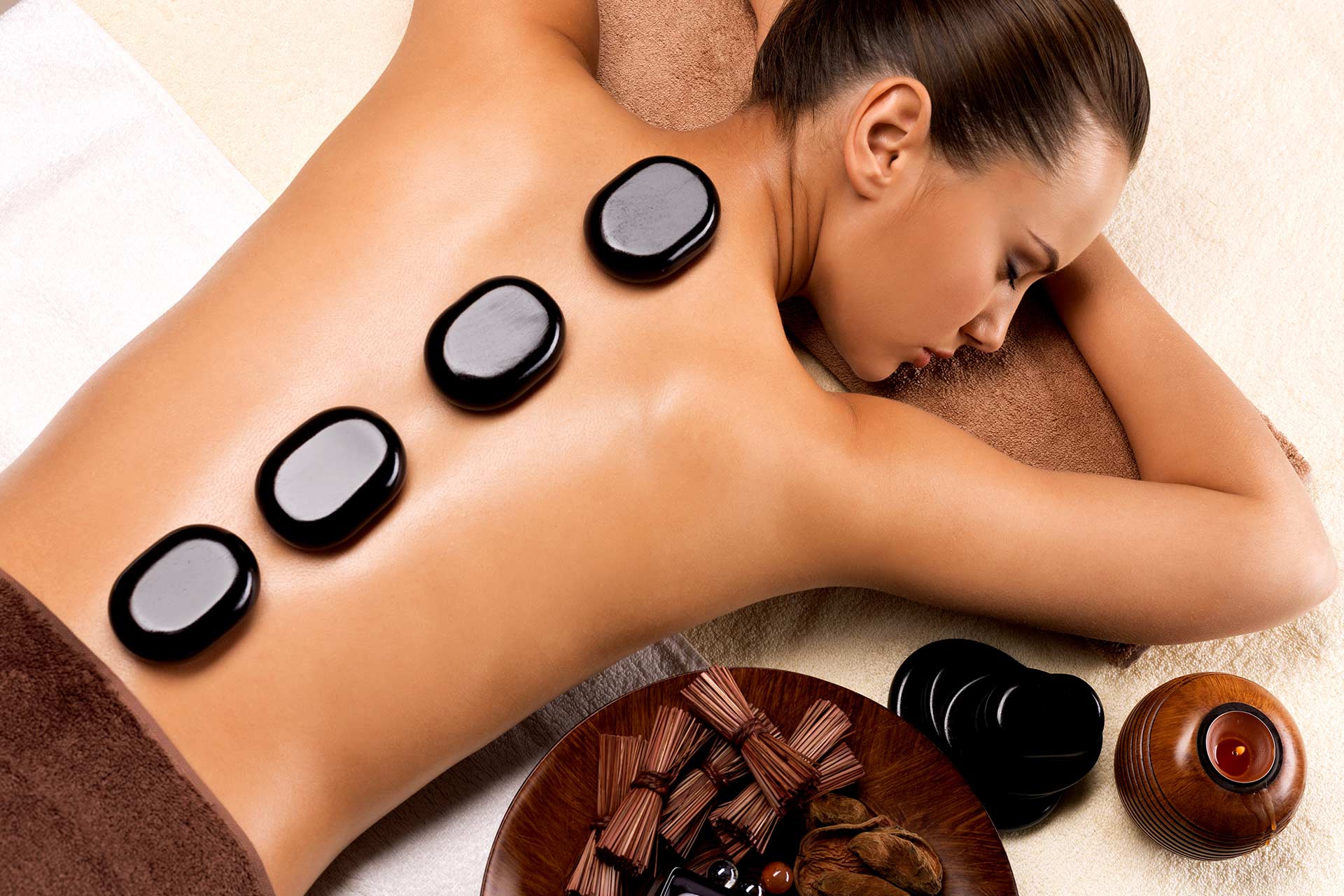
Sheikh Zayed Road sits at the center of Dubai’s business district, and the people who work along this stretch carry more shoulder and lower back tension than almost anyone else in the city. Long hours at a desk, back-to-back meetings, and daily commutes through heavy traffic add up fast. A deep tissue massage works through these layers of tight muscle with slow, firm strokes that reach past the surface and target the knots hiding underneath. Shiny Spa sits within easy reach of the towers along Sheikh Zayed Road and works with clients who need real relief, not a quick rubdown. This guide walks you through what a session looks like, what happens beneath the surface, and how to pick a therapist who knows what they are doing. Have you ever left a massage feeling like nothing changed? That usually means the pressure never reached the muscle layer causing the pain in the first place.
Why so many professionals near Sheikh Zayed Road rely on this treatment
Office desks along Sheikh Zayed Road create tension that light, relaxing strokes barely touch, and Deep tissue massage works by going straight into the deeper layers of muscle and the connective tissue wrapped around it, called fascia. Slow, firm pressure breaks up adhesions, the small bands of stiff tissue that form after repetitive strain or sitting in the same position for hours. Workers in this district often carry that kind of tension in the neck, shoulders, and lower back after eight or more hours at a desk.
The pressure used in deep tissue massage goes further than a relaxation massage, and that is the point. A study published in the Journal of Alternative and Complementary Medicine found that a 45 to 60 minute deep tissue session lowered systolic blood pressure by close to 10 points and dropped heart rate by around 10 beats per minute. A physical reset like that matters for anyone dealing with the pace of a fast-moving city.
This form of treatment helps people recovering from an old injury, a stiff neck from too many hours at a laptop, or lower back pain that never quite goes away. Athletes and gym regulars use it to loosen tight muscles before they turn into a bigger problem. When was the last time you actually addressed the root of your muscle pain instead of just masking it for a day?
Types of massage techniques: pros, cons, and which one fits
Not every style of massage delivers the same result, and picking the wrong one can leave you paying for something that never touches the actual problem. Deep tissue massage works best for stubborn muscle knots and long-standing tension, but a handful of other techniques cover different needs.
Swedish massage uses lighter, gliding strokes and suits people who want to relax without heavy pressure. Sports massage borrows some deep tissue techniques but focuses on muscles used in a specific activity, which makes it a common choice for runners and gym-goers around Dubai. Trigger point therapy zeroes in on a single tight spot rather than working a whole muscle group, and myofascial release stretches the fascia itself using slow, sustained pressure instead of kneading.
Here is a quick side-by-side look at how these options compare:
| Technique | Pressure Level | Best For | Typical Session Length |
| Deep Tissue Massage | Firm to intense | Chronic tension, old injuries | 60–90 minutes |
| Swedish Massage | Light to medium | Relaxation, general stress relief | 60 minutes |
| Sports Massage | Medium to firm | Athletes, pre- or post-workout | 45–60 minutes |
| Trigger Point Therapy | Firm and focused | Specific knots, referred pain | 30–45 minutes |
| Myofascial Release | Light, sustained | Fascia restrictions, stiffness | 45–60 minutes |
What actually happens during a session
A good therapist starts with a short conversation before any pressure touches your skin. They ask about pain points, old injuries, medications, and anything that might change how they work on your body that day. This step gets skipped far too often, and it is usually the reason some people walk away from a massage feeling worse instead of better.
Once the assessment is done, the session opens with lighter strokes to warm the muscle and get blood moving. From there, the therapist works down into the deeper layers using their fingers, knuckles, forearms, or elbows, moving slowly along the length of the muscle fiber rather than rushing across it. Pressure builds gradually instead of jumping straight to maximum intensity, and a skilled hand checks in with you along the way.
Expect some discomfort during a deep tissue massage, especially over areas holding a lot of tension, but sharp or shooting pain is never part of the process. A licensed massage therapist working in Dubai explains that pain should stay within a range the client can breathe through, not a level that makes them tense up and fight the pressure. The session closes with slower strokes that bring the body back down before you sit up.
What shapes the experience of booking this service locally
Every session looks a little different depending on where you go, who treats you, and what your body needs that day. A few factors shape that experience more than people realize, and knowing them ahead of time helps you set the right expectations before you walk through the door.
Session length and technique used
Longer sessions give a therapist room to properly warm the muscle before applying deep pressure, which usually leads to a better outcome than rushing through a short slot. A 90 minute session covers the back, shoulders, neck, and legs without skipping areas that need attention. Combining deep tissue work with stretching or trigger point therapy in the same visit often addresses more than one issue at once.
Therapist experience and specialization
A therapist who has spent years focused on deep tissue work reads muscle tension differently than someone trained mainly in relaxation massage. Experience shows in how they adjust pressure, spot problem areas by touch, and communicate with the client throughout the session. Ask how long a therapist has worked specifically with this technique before booking, since that one question tells you more than a menu of services ever will.
How to choose the right provider in Sheikh Zayed Road
Picking a massage provider in a business district full of spas and wellness centers takes more than reading star ratings. Location matters, but it should not be the only factor driving your decision, especially when the goal is real muscle relief rather than a quick break from the office.
A specialist who works mainly on deep tissue and therapeutic massage handles the local permit process, understands which techniques hold up for people dealing with desk-related tension, and carries training that a general spa offering every service on the menu often lacks. A place like Shiny Spa, which focuses on this kind of targeted bodywork for people working around Sheikh Zayed Road, tends to bring a different level of attention to each session compared with a spa trying to cover facials, nails, and massage under one roof.
Before booking, ask whether the therapist holds a valid license through Dubai’s health authority, since every legitimate massage center in the city operates under that requirement. Check how they handle client intake, whether they ask about injuries or medical conditions first, and how they adjust pressure for people new to deep tissue work. A provider willing to answer these questions without hesitation is usually one worth trusting with your next session.
FAQs
How much does a deep tissue massage cost in Sheikh Zayed Road, Dubai?
Pricing varies by session length, location, and therapist experience. Ask your chosen spa for a direct quote instead of relying on general estimates online. Many spas near Sheikh Zayed Road offer package rates for repeat visits, which can lower the average cost per session over time.
Is deep tissue massage covered by health insurance in Dubai?
Standard health insurance in the UAE rarely covers this type of bodywork unless a doctor prescribes it for a documented medical condition. Some corporate wellness plans include partial coverage, so check with your provider directly before assuming the session falls outside your benefits.
Do massage therapists in Dubai need a license to practice this treatment?
Yes. Every legitimate massage therapist and wellness center in Dubai must hold a valid license issued through the city’s health authority. Checking for this credential before booking protects you from unlicensed practitioners and gives you assurance around hygiene, training, and safety standards.
How often should you book a session if you work long hours near Sheikh Zayed Road?
Long hours at a desk near Sheikh Zayed Road tend to bring tension back within two to four weeks, so many regulars book monthly. People recovering from an injury or dealing with chronic pain sometimes need more frequent visits until the muscle settles down.
What is the difference between deep tissue massage and a regular Swedish massage near Dubai World Trade Centre?
Swedish massage uses lighter pressure aimed at relaxation. This option near Dubai World Trade Centre works through deeper muscle layers to release long-standing tension instead. If stress relief is the only goal, Swedish massage often