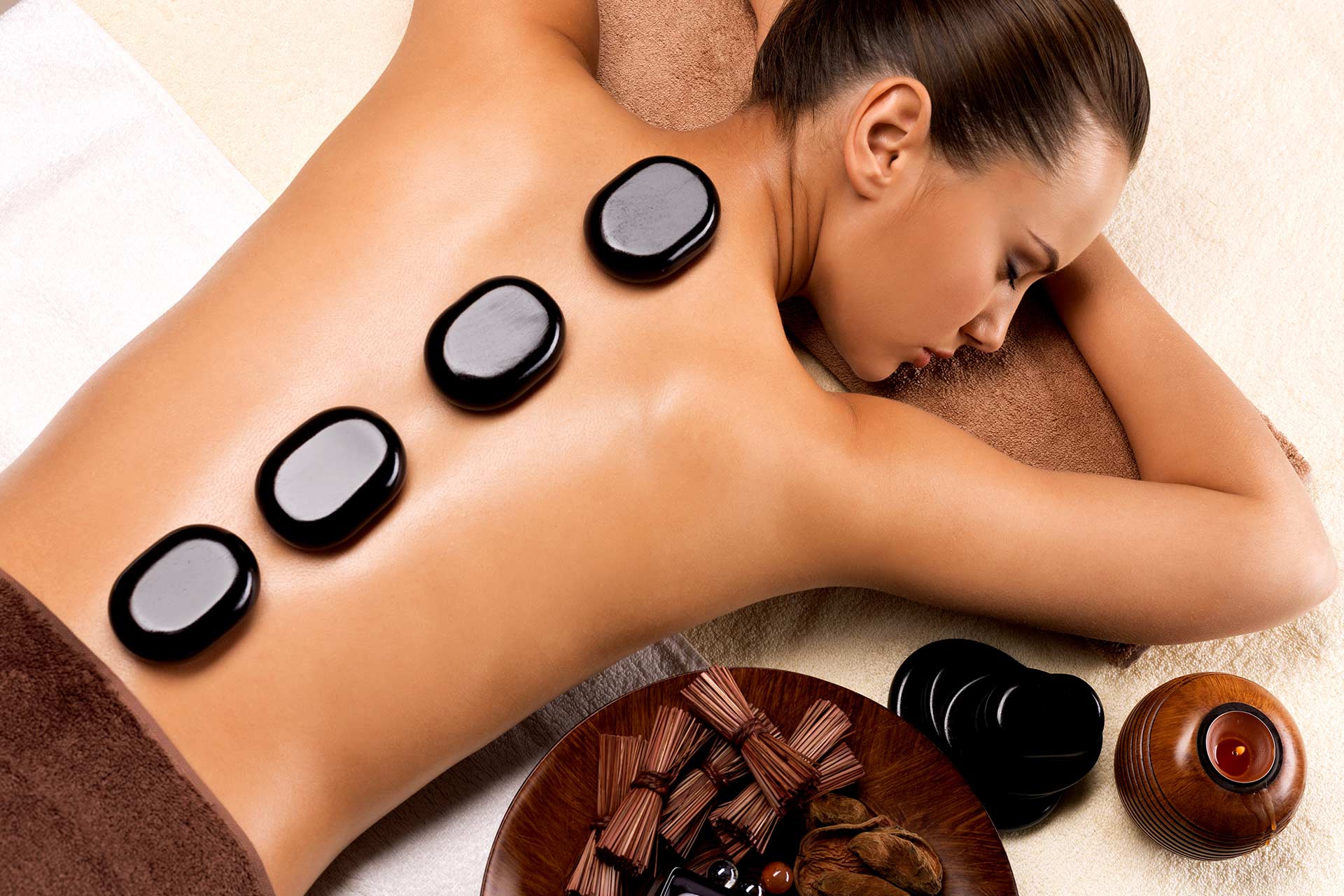
Long days on your feet or hunched over a desk leave a mark on the body, and Downtown Dubai residents feel it as much as anyone. Shiny Spa has noticed a steady rise in clients booking Thai massage sessions to loosen tight shoulders, hips, and lower backs after a packed week. Unlike a standard oil massage, Thai massage combines assisted stretching, rhythmic pressure, and joint mobilization, all performed on a floor mat rather than a table. Many visitors compare it to a mix of yoga and bodywork, since the therapist guides your limbs through a sequence of positions instead of leaving you passive the entire time. This guide breaks down the techniques, the session flow, and how to pick a therapist who actually knows the practice, so your next booking delivers real relief instead of a generic rubdown.
What Thai massage is and why locals book it
Thai massage traces back centuries to traditional healing practices in Thailand, blending acupressure with assisted stretches along the body’s energy lines. Downtown Dubai clients often come in with tight hip flexors from long commutes or stiff shoulders from desk work.
Have you noticed how a regular oil massage leaves the joints untouched? Thai massage fills that gap by working the hips, spine, and shoulders through guided movement rather than surface pressure alone. Clients wear loose, comfortable clothing since the therapist moves your limbs through a full range of motion.
Athletes and desk workers both request it for different reasons. One group wants faster recovery after training, the other wants relief from prolonged sitting. Either way, the session targets mobility, not just relaxation.
Types of Thai massage sessions
Not every session follows the same format, and knowing the differences helps you request the right one. Some sessions lean heavier on stretching, others focus more on pressure points along the back and legs.
Traditional Thai massage covers the full body and usually runs longer, since it moves through a complete sequence of stretches. Foot and lower-leg focused sessions target circulation and tension built up from standing or walking on hard floors. A few therapists also offer a hybrid format that blends Thai stretching with oil-based pressure work for clients who want both styles in one visit.
| Session Type | Focus Area | Best For | Typical Duration |
| Traditional full-body | Full body, joints, spine | General tension and mobility | 60 to 90 minutes |
| Foot and lower-leg | Feet, calves, circulation | Standing jobs, long commutes | 30 to 45 minutes |
| Hybrid stretch-oil | Muscles plus joint stretching | Clients wanting both styles | 60 to 75 minutes |
| Sports-focused Thai | Hips, hamstrings, shoulders | Athletes and gym-goers | 45 to 60 minutes |
Picking the wrong session type is a common mistake. A client hoping for deep joint stretching won’t get much from a foot-focused session, so it helps to say exactly what’s bothering you before booking.
How a Thai massage session actually works
A session starts with a short conversation about problem areas, followed by time on a padded floor mat. The therapist begins with gentle pressure along the legs and back to warm the muscles before moving into deeper stretches.
From there, the therapist guides your arms, legs, and spine through a sequence of assisted positions. This part surprises first-timers the most, since it feels closer to guided yoga than a typical massage. A therapist trained in traditional Thai bodywork once described it this way: “The client does almost no work themselves, but by the end, their joints move like they just finished a full stretching class.”
The session usually closes with a return to slower pressure work along the shoulders and neck, easing the body out of the deeper stretches. Most clients leave looser in the hips and lighter through the upper back within the same visit.
What shapes the quality of a session
A handful of factors decide whether a Thai massage session actually delivers results or just feels like a generic stretch routine.
Therapist training and technique
Formal training in traditional Thai bodywork takes months, not days, and it shows in how a therapist times pressure with breath and movement. A rushed or undertrained therapist tends to rely on generic stretches instead of reading how your body responds during the session.
Facility standards and hygiene
Licensed spas in the UAE follow health authority regulations covering mat sanitation, room ventilation, and therapist certification, so it helps to ask about these standards before your first visit. According to a 2023 report from the Global Wellness Institute, wellness tourism in the Middle East grew faster than the global average, pushing more spas to formalize staff training and hygiene protocols. A separate survey by the International Spa Association found that clients rate therapist skill, not room décor, as the top factor in repeat bookings.
Choosing the right therapist in Downtown Dubai
A spa offering ten different treatments on one menu may not give Thai massage the specialized attention it needs. Ask directly how much training the therapist received in this specific technique, not massage in general.
Local providers like Shiny Spa that focus specifically on Thai massage and stretch-based bodywork across Downtown Dubai tend to understand which stretches suit desk workers versus athletes, and how to adjust pressure for clients new to the technique. That kind of narrow focus builds different instincts than a spa menu covering every service at once.
A therapist trained exclusively in Thai bodywork will read joint mobility issues that a general massage therapist often misses, and they typically hold certification specific to this practice rather than a broad wellness license. Ask about that certification directly during your first call.
Take a common scenario: a client with chronic lower back tightness from a desk job books a session expecting basic relaxation. A skilled Thai massage therapist instead spends extra time on hip and hamstring stretches, since tight hips are frequently the real source of that lower back strain, something a generic massage might miss entirely.
Conclusion
Thai massage works best when you understand the format and book with a therapist who trained specifically in this practice. Match the session type to your actual complaint, ask about facility certification, and give weight to therapists who specialize in stretch-based bodywork over a general spa menu. If you want a local team that understands Downtown Dubai’s fast-paced routines, Shiny Spa offers consultations and can walk you through session types and duration options at your own pace. A short conversation before booking saves you a disappointing visit later, and it puts you in control of the outcome instead of leaving it to chance.
FAQs
Is Thai massage suitable for beginners in Downtown Dubai?
Yes, most spas adjust stretch intensity for first-timers. Tell the therapist about any injuries or stiffness beforehand so they can pace the session and avoid pushing joints too far too quickly.
How much does a Thai massage session typically cost in Downtown Dubai?
Pricing depends on session length and format, so it’s best to request a quote directly from the spa. Longer full-body sessions generally cost more than shorter foot-focused options.
Do Thai massage therapists in Dubai need a license?
Yes, licensed spas require therapists to hold recognized certification and follow health authority hygiene standards. Ask to see current credentials before your first appointment with a new provider.
Can Thai massage help with tension caused by Downtown Dubai’s office culture?
Yes, the assisted stretching targets hip and shoulder tightness common among desk workers. Regular sessions often improve mobility more than a standard oil massage alone.
What should I wear to a Thai massage session?
Loose, breathable clothing works best since the therapist moves your limbs through a full stretch sequence. Most spas provide comfortable attire if you arrive without your own.